Teeth Stains: Causes, Treatments, And Prevention

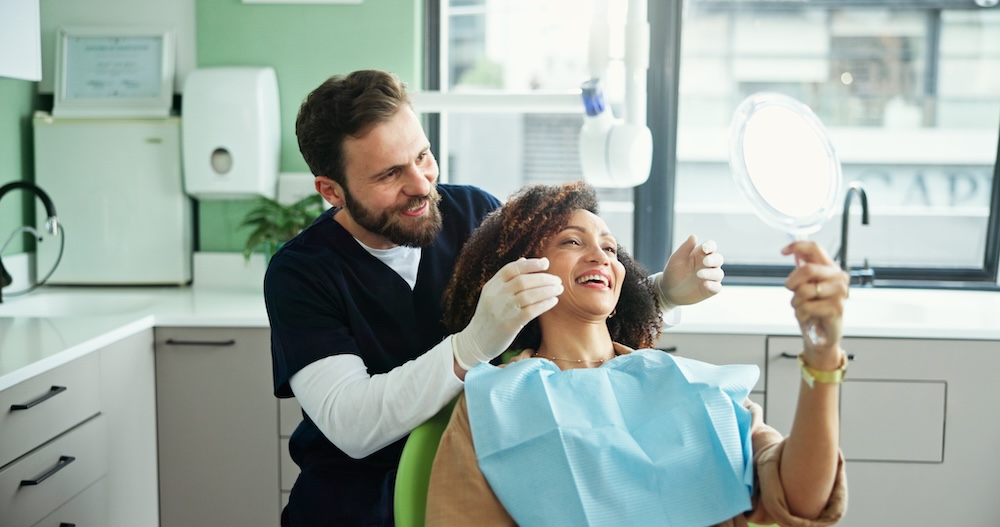
Patient looking at their whitened teeth at dental office
Last Updated : December 22, 2025

SUMMARY

Ever looked in the mirror and noticed your teeth aren’t as bright and white as they used to be? You're not alone. Teeth stains are a common issue that can affect anyone over time, regardless of how careful they are with brushing or flossing. The good news is that most stains are treatable, and many are even preventable. Maintaining white, healthy-looking teeth starts with understanding what causes discoloration. Learning how to treat and avoid it can help you keep your smile looking fresh and clean for the long haul.

Key Takeaways

  • Teeth stains can be caused by food, drinks, smoking, certain medications, or aging.
  • There are two main types: extrinsic (on the surface) and intrinsic (inside the tooth).
  • Treatment options include professional cleanings, whitening products, and in-office procedures.
  • Daily habits like brushing twice a day, drinking water after meals, and avoiding tobacco help prevent stains.
  • Regular dental checkups are key to maintaining a white, healthy smile.

Table of Contents

drlee-image

This blog has been reviewed and approved by Dr Robert Lee, a dental professional of 35 years

LEARN MORE >

Key Takeaways

Types of Teeth Stains

Tooth stains are common, but not all tooth stains are the same. Before diving into causes and treatments, it helps to understand the two main types of teeth stains.

Extrinsic Stains
These are surface stains that affect the enamel, the outer layer of your teeth. They're often caused by external factors like food, drinks, or smoking. Since they stay on the surface, they're usually easier to remove with whitening toothpaste or dental cleanings.

Intrinsic Stains
These stains lie beneath the enamel, in the inner part of the tooth known as dentin. They're usually harder to remove and may be the result of certain medications, trauma, or excessive fluoride during childhood. Professional treatments are often needed for these.

Common Causes

While teeth stains might all appear somewhat similar, their causes can vary widely. Here are the main types of causes of stains and discoloration.

  • Food and Drinks
    Sadly, some of your favorite treats may be the biggest culprits. Coffee, tea, red wine, soda, and berries all contain strong pigments that cling to enamel. Acidic foods and drinks can also wear down enamel, making it easier for stains to set in.
  • Poor Oral Hygiene
    Skipping brushing or flossing lets plaque and tartar build up. This not only dulls your smile but also creates a rough surface that attracts more staining agents.
  • Tobacco Use
    Whether it's from smoking or chewing tobacco, nicotine and tar can cause yellow or brown stains that are especially tough to get rid of. Without intervention, these deep-set stains can become very difficult to remove with at-home care alone.
  • Medications
    Certain drugs like the antibiotic tetracycline can cause intrinsic stains, especially if taken while teeth are developing. Some antihistamines and blood pressure medications have also been linked to tooth discoloration.
  • Aging
    Aging isn’t just rough on our knees; it can also be rough on our teeth. As we get older, our enamel naturally wears down, exposing the yellower dentin underneath. Even if you take great care of your teeth, age-related discoloration is almost unavoidable.
  • Trauma or Dental Injury
    If a tooth is injured, the nerve may die and the breakdown of blood inside the tooth can lead to a darker appearance. This type of discoloration usually needs professional treatment.
  • Excess Fluoride
    It might surprise you, but too much fluoride during childhood can cause white spots or streaks on teeth, known as dental fluorosis. This can happen if you get too much fluoride from water, toothpaste, or supplements.

Treatment Options

The right treatment depends on the type and severity of the stain. Here are the most common options:

  1. Professional Dental Cleaning
    If your stains are caused by plaque or tartar, a routine cleaning from your dentist or dental hygienist can work wonders. This is especially effective for extrinsic surface stains.
  2. Whitening Toothpaste
    These products contain special abrasives, such as hydrated silica, that help polish away and remove surface stains. While they can’t change the natural color of your teeth, they can make your smile appear as bright as it can over time.
  3. At-Home Whitening Kits
    Over-the-counter kits usually contain hydrogen peroxide or carbamide peroxide to lighten extrinsic stains. These come in the form of strips, trays, or gels. Always follow the instructions to avoid overuse, which can cause sensitivity.
  4. In-Office Whitening
    If you’re looking for fast, dramatic results, in-office whitening treatments are probably your best bet. Dentists and dental hygienists use stronger bleaching agents combined with heat or light to break up stains deep inside the tooth.
  5. Bonding or Veneers
    Some stubborn intrinsic stains don’t respond to whitening. For those, cosmetic procedures like dental bonding or veneers may be the best solution. These cover the tooth’s surface with a custom material that matches your natural tooth color.

How to Prevent Teeth Stains

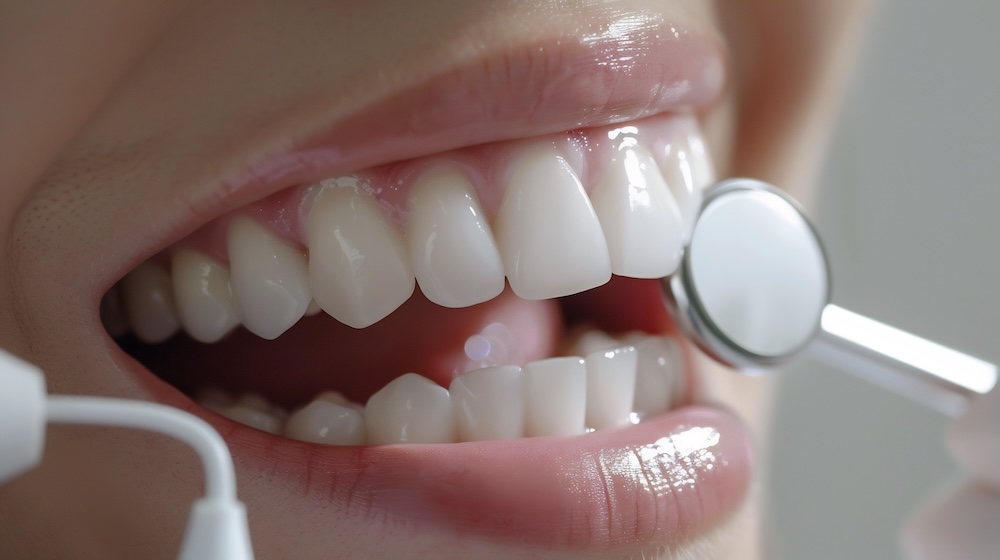
Close-up of a white smile surrounded by dental tools

Prevention ultimately comes down to your daily habits. Here’s what you can do to keep your teeth looking their best:

✔ Brush and Floss Regularly
Brushing at least twice a day and flossing once a day helps remove food particles and plaque that can lead to staining. Use a soft-bristled brush and fluoride toothpaste for the best results.

✔ Regular Dental Checkups
Visiting your dentist twice a year keeps your teeth at their best. Your dentist or dental hygienist can remove buildup, spot early signs of discoloration, and recommend whitening treatments if needed.

✔ Rinse or Drink Water After Eating
If you drink coffee or eat something colorful like curry or blueberries, rinse your mouth with water afterward. This helps wash away pigments before they settle into your enamel.

✔ Use a Straw
When drinking beverages that can stain, like iced coffee or soda, using a straw helps minimize contact with your front teeth.

✔ Quit Smoking
Not only will your lungs thank you, but so will your smile. Quitting tobacco can prevent new stains and improve your oral and overall health. It’s a true win/win.

When to See a Dentist

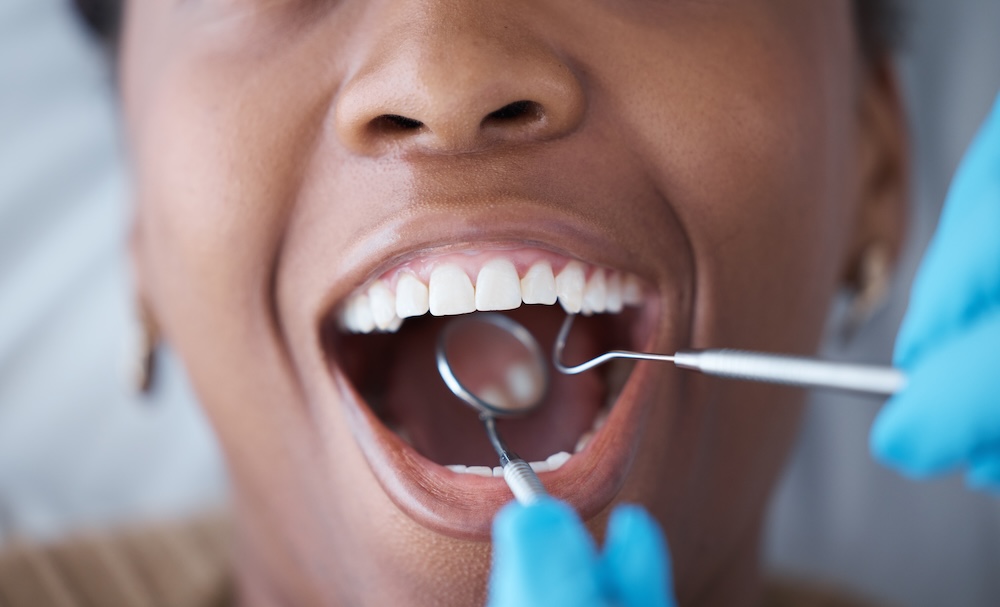
Close-up of patient receiving dental treatment

Sometimes stains are more than just a stain and can indicate a bigger problem. So, if you're brushing and flossing regularly but your teeth still look stained, or if you notice sudden discoloration, it's time to see your dentist or dental hygienist. Stains that appear quickly, affect only one tooth, or are accompanied by pain might be signs of deeper issues like decay or injury.

Summary

Teeth stains are very common. Many come from everyday habits like drinking coffee, eating dark berries, or smoking. There are two types, extrinsic (surface stains) and intrinsic (deep stains), and each responds differently to treatment.

While over-the-counter whitening products can help with mild stains, more stubborn discoloration may require professional help. Sometimes stains can indicate a bigger problem, such as decay or injury, so make sure you’re keeping up with regular dental appointments. Or make an appointment if something seems more sudden or urgent.

The best way to keep your smile bright and white is through consistent oral hygiene, thoughtful eating and drinking, and regular dental visits. With just a little effort and awareness, you can keep stains at bay and enjoy a healthy, shiny smile for life.

Whiter & Healthier Teeth Starts with Oral-B

The same treatments that help whiten your smile also provide additional benefits to improve your oral health. Most people wish their smile were whiter and brighter. Studies show more than 50% of dental patients want whiter teeth. They have many effective at-home options to provide stain removal, teeth whitening, as well as help maintain whitened teeth.

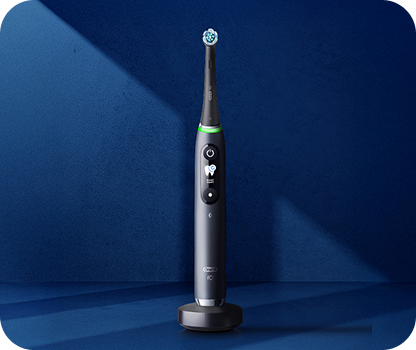
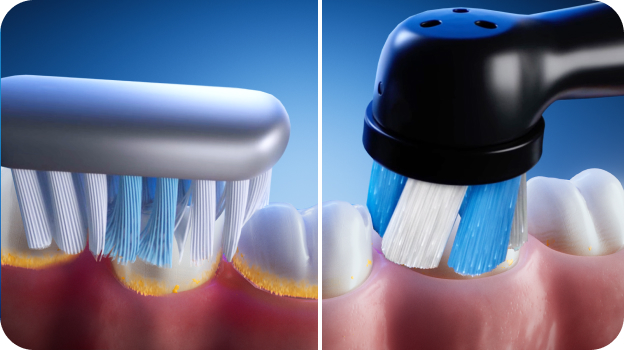
  • Some Oral-B iO series electric toothbrushes feature a Whitening mode, which uses micro-vibrations to polish away surface stains for a brighter smile.
  • Pair it with Oral-B Whitening Care brush heads to enjoy advanced whitening starting the first day. Its five polishing petals deliver advanced cleaning, whitening, and surface stain removal.
  • Toothpaste can do more than fight cavities. It can also remove surface stains. Crest 3D White Brilliance Toothpaste removes up to 100% more surface stains in three days vs. a regular toothpaste. They polish away surface stains using micro-cleansing teeth whiteners.
  • For a whiter smile, try Crest 3D White Brilliance Whitening Mouthwash. It starts whitening in 7 days when used as directed. It safely whitens teeth with brushing using a gentle foaming action formula. It also help strengthen enamel and prevent cavities.
  • If you want to whiten like a professional at home, try Crest 3DWhitestrips Professional Effects. They're designed to make your teeth up to 18 levels whiter in just 20 days.

FAQs

  • How to protect teeth from stains?
  • How to remove teeth stains at home?
  • How to remove brown stains from teeth naturally?

Sources

Table of Contents

  • Types of Teeth Stains
  • Common Causes
  • Treatment Options
  • How to Prevent Teeth Stains
  • When to See a Dentist
  • Summary
  • Whiter & Healthier Teeth Starts with Oral-B

  • FAQs
  • Sources
drlee-image

This blog has been reviewed and approved by Dr Robert Lee, a dental professional of 35 years

LEARN MORE >

Related Products