Possible Causes of White Bumps on Gums
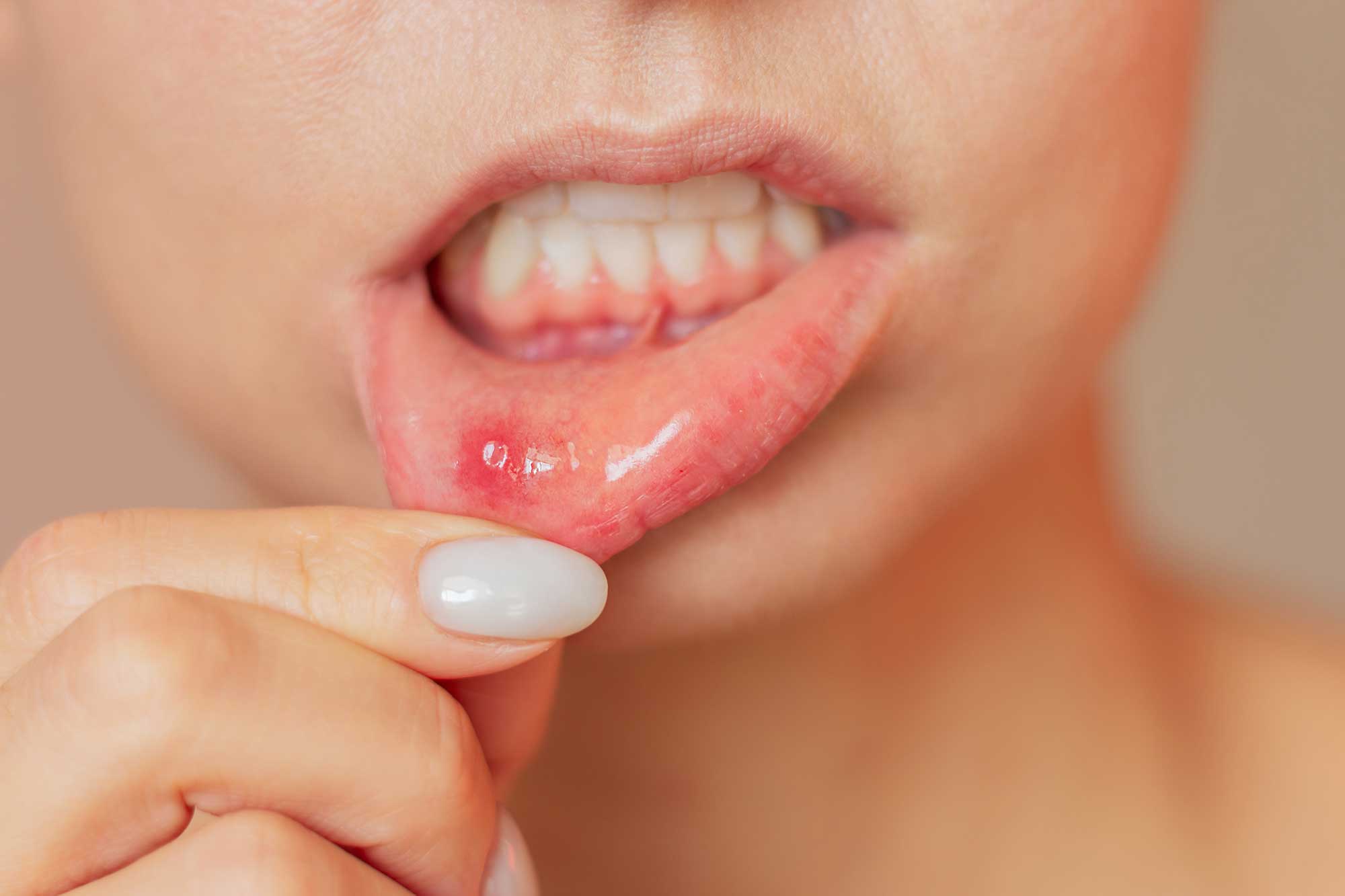
The signs and symptoms of white bumps will vary depending on the underlying cause. White bumps (or patches) usually come from three different things: an injury, canker sore, or infection. White bumps on gums usually cause no pain unless they’re caused by an injury.
Here are some of the most common causes and reasons for white bumps:
- Canker Sores: Also known as Aphthous Ulcers, these are small, painful sores that can appear on the gums, or anywhere inside the mouth. They are white or yellowish sores with a red border.
- Oral Thrush: Also called candidiasis, this is a yeast infection that causes white, raised patches or spots, often resembling cottage cheese, on the gums, tongue, and inner cheeks.
- Gum Disease (Gingivitis/Periodontitis): Infection and inflammation of the gums can lead to red, swollen gums, and sometimes white spots or patches due to plaque buildup or infection.
- Oral Lichen Planus: A chronic inflammatory condition that can cause white, lace-like patches on the gums and other areas of the mouth.
- Dental Abscess: A painful, pus-filled pocket that can form at the root of a tooth or in the gums, it usually appears as a white bump or swelling.
- Leukoplakia: A condition characterized by white patches on the gums, often caused by irritation or smoking.
- Gingival Cysts: Some can appear on the gum line as fluid-filled sacs, often with no pain and resulting from blocked salivary ducts.
- Fibroma: A noncancerous lump that develops on gum tissue appearing as a smooth, firm, dome-shaped lump. This is often caused by irritation or injury.
- Hormonal Changes: During pregnancy, hormonal changes can sometimes cause white spots or patches on the gums.
- Poor Oral Hygiene: Inadequate brushing and flossing can lead to plaque buildup. This can irritate the gums, causing inflammation and potentially leading to white spots or patches.
Get a Diagnosis Because Knowledge is Power.
With so many possible causes, it’s always best to get a professional diagnosis. You should see a dentist if the white bumps cause discomfort or are actually painful. Any mouth sore that doesn’t heal within a week or two should also be examined by your dentist. They can diagnose the cause of white spots on the gums by a visual examination, a review of your medical history, blood tests, or, in certain cases, a biopsy. Sometimes, a doctor may take a small tissue sample from oral lesions to diagnose for oral lichen planus or to check for cancerous or precancerous cells associated with leukoplakia.
Treatment Options
The treatment of white bumps varies widely depending on the cause. For example, if it turns out to be oral thrush, doctors typically prescribe an antifungal medication. Persistent or more widespread candida infections may require a more powerful antifungal.
Other causes, such as oral lichen planus, have no cure. In this case, the treatment aims to reduce symptoms and improve your quality of life. Treatments sometimes include steroids and numbing gels to reduce pain and inflammation.
The point is that with so many causes of white bumps, there are a correspondingly large number of treatments. So, your best move is to schedule an appointment and get seen by your dentist as soon as you can.
Preventing White Bumps In The First Place
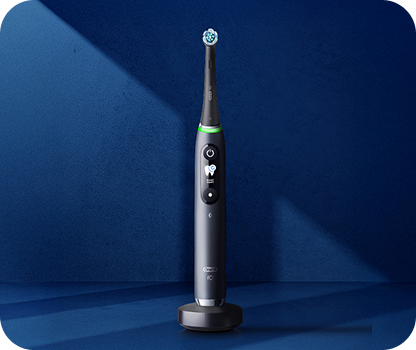
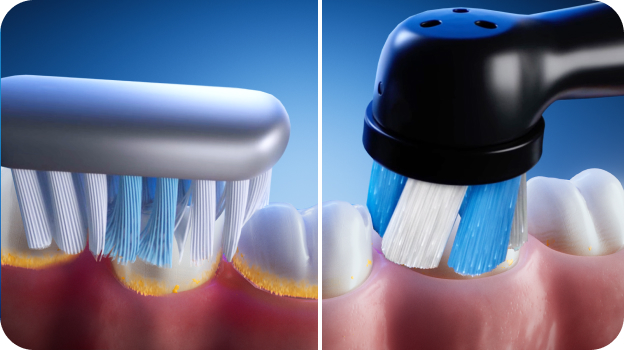
With good oral hygiene, you can help prevent some white bumps from occurring at all. So, brush and floss on a regular schedule. Brushing is most effective when it is done for 2 minutes, twice a day and you use a good toothbrush. Make sure it’s not worn out or too abrasive. An electric toothbrush such as the Oral-B iO electric toothbrush can take your oral hygiene to the next level. And, of course, make sure you see your dentist every six months.
You can also add some other things to your hygiene regimen, such as using a tongue scraper to remove plaque, food particles, and bacteria from the tongue. Eat a balanced nutritious diet and go easy on the sugar, salt, and alcohol.
If white bumps do come to your attention, you don’t have to wait for your next scheduled appointment. Have them checked out by the dentist. Early detection of an issue like this will save you time, money, and possibly pain down the road.
Good Oral Hygiene Starts with Oral-B
Healthy gums are crucial to tooth and mouth health. In the event of gum disease (also known as gingivitis), the first line of defense is to see a dental professional. They can do a proper examination, determine the level of periodontal disease, and recommend treatments. But there are things you can do to help.
- When you brush with Oral-B iO electric toothbrushes, you can protect your gums and help prevent further gum recession. Oral-B iO helps you avoid new tooth and gum issues—and if you have existing gum problems, it can resolve them quicker than a manual toothbrush.
- The right toothbrush head, such as the Oral-B iO Gentle Care brush head, contain dentist-inspired soft bristles and optimized bristle patterns that adapt to the curves of the teeth and gums and provide a gentle clean with maximum comfort.
- Crest Toothpaste contains stannous fluoride which fights the plaque bacteria that cause gum disease. Pair that with an Oral-B iO electric toothbrush to help stop bleeding and reverse the signs of early gum disease.
- Mouthwash can be an important part of your daily oral health routine. Crest Gum Care Mouthwash is proven to reduce the early signs of gum disease, including bleeding gums, reduce gum inflammation, and kills plaque and bad breath germs.
- Dental floss, used daily, helps prevent gingivitis as part of a complete dental plan. Look for a floss that can fit more easily into tight spaces, such as Glide Floss.
There is a connection between oral health and systemic health. That’s why, beyond helping with issues such as tooth decay, gum disease and tooth loss, our products can help prevent and reduce plaque bacteria before they spread to other parts of the body.
Summary
The signs and symptoms of white bumps will vary depending on the underlying cause. White bumps (or patches) usually come from three different things: an injury, canker sore, or infection. Specifically, a person may have white spots on their gums due to things such as a canker sore, leukoplakia, oral lichen planus, or oral thrush.
Once you notice them, it’s always best to get a professional diagnosis. They can diagnose the cause of white spots on the gums by a visual examination, a review of your medical history, blood tests, or, in certain cases, a biopsy. Following the diagnosis, proper treatment, careful monitoring and regular dental screenings will be needed to ensure the condition gets prompt treatment. Early detection can prevent the problem from progressing and may reduce the risk of complications.