Plaque vs Tartar: What’s the Difference

SUMMARY
Key Takeaways
- Plaque is a soft, sticky film of bacteria that forms on teeth and can lead to tooth decay and gum disease. It can be removed with regular brushing and flossing.
- Tartar is hardened plaque that forms when plaque isn’t removed. It can only be removed by a dental professional.
- Regular brushing, flossing, and dental checkups, as well as good oral hygiene, are essential to preventing plaque and tartar buildup.
- Healthy lifestyle choices, such as a diet low in sugary and starchy foods can help reduce the risk of plaque and tartar buildup.
Table of Contents

This blog has been reviewed and approved by Dr Robert Lee, a dental professional of 35 years
LEARN MORE >Key Takeaways
- Plaque is a soft, sticky film of bacteria that forms on teeth and can lead to tooth decay and gum disease. It can be removed with regular brushing and flossing.
- Tartar is hardened plaque that forms when plaque isn’t removed. It can only be removed by a dental professional.
- Regular brushing, flossing, and dental checkups, as well as good oral hygiene, are essential to preventing plaque and tartar buildup.
- Healthy lifestyle choices, such as a diet low in sugary and starchy foods can help reduce the risk of plaque and tartar buildup.
What is Plaque?
While many people have heard of plaque, many of them don’t know what it actually is. Plaque is a soft, sticky, colorless film of bacteria that forms on your teeth throughout the day. Visually plaque can be hard to detect as it's usually colorless, however, you might notice a fuzzy or slippery feeling on your teeth, especially after consuming sugary or starchy foods, which would indicate the presence of plaque.
How Plaque Forms
- Bacteria feeds on sugars from starchy and carbohydrate-rich foods
- These bacteria produce acids that can weaken (demineralize) tooth enamel, leading to cavities
- Begins to develop on your teeth just 20 minutes after eating
- Plaque can irritate the gums and cause gingivitis, which is the earliest stage of gum disease
Removing Plaque
- Plaque is soft and can be removed with proper oral hygiene
- Brush twice a day with fluoride toothpaste and floss daily
- Regular dental checkup, ideally every six months, is crucial
- If not removed through regular brushing and flossing, plaque can lead to tooth decay and gum disease
What is Tartar?

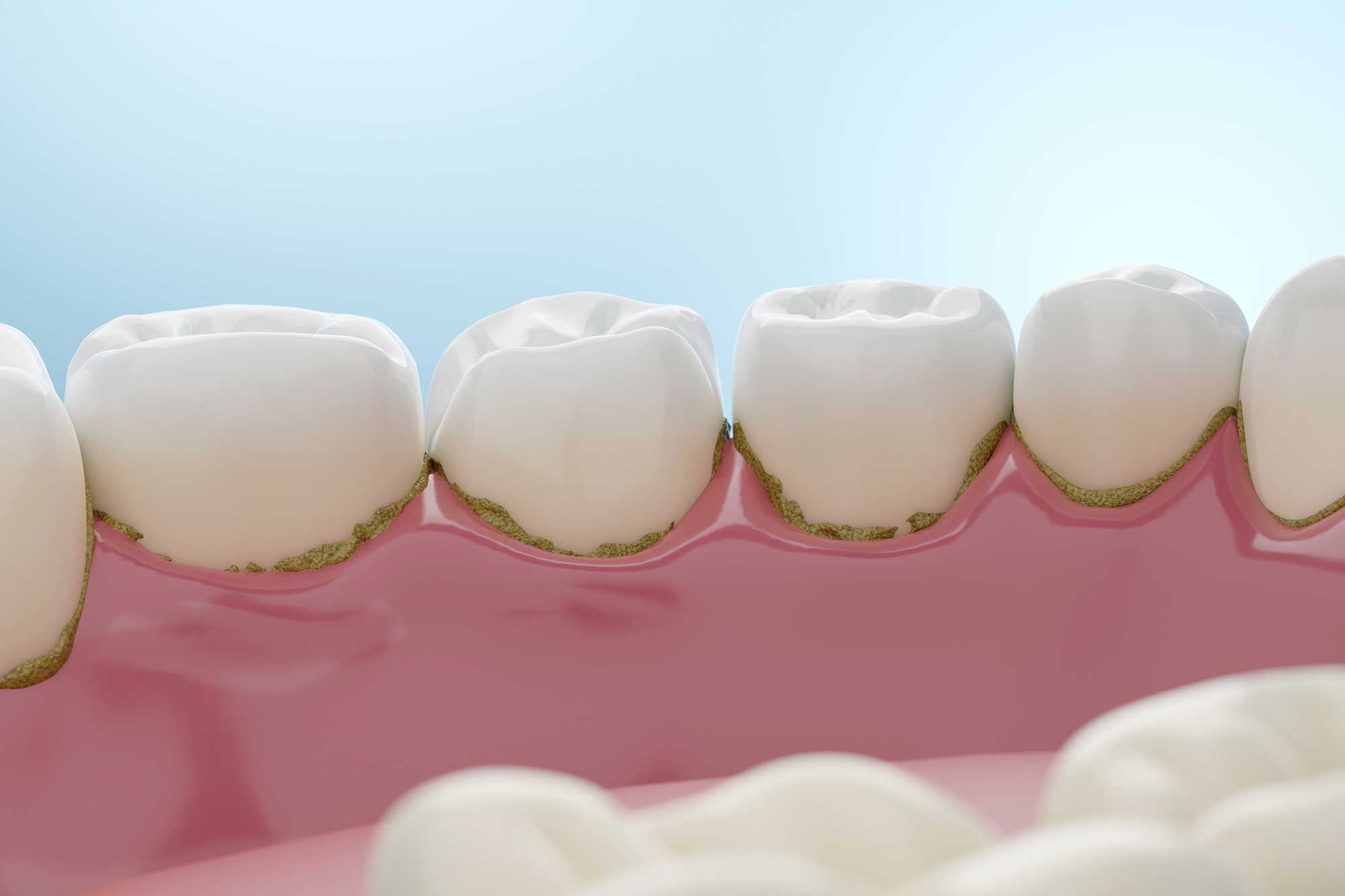
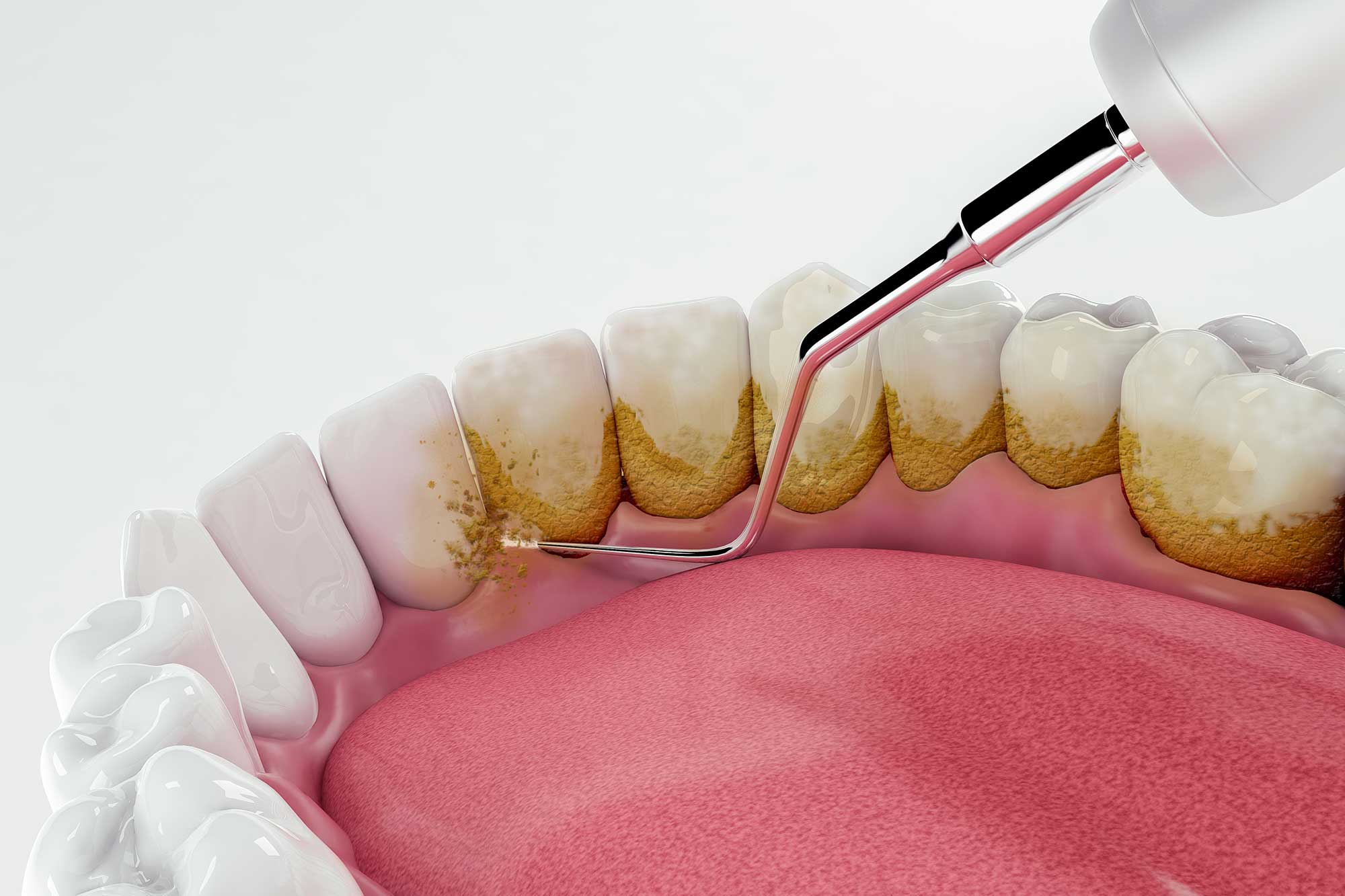
Also known as dental calculus, tartar is hardened plaque that has been left on the teeth for an extended period.
How Tartar Forms
- When plaque is not removed it absorbs minerals from saliva and hardens into tartar
- Develops within 24 to 72 hours of plaque forming on teeth
- Forms both above and below the gumline
Tartar is a Problem
- Tartar is rough and porous. It provides a surface for more plaque to adhere to
- Starts a cycle of plaque and tartar buildup. This increases the risk of gum disease and tooth decay
- Tartar also causes gum irritation, which leads to bleeding and inflammation
- If not addressed, it can lead to more serious dental issues
Removing Tartar
- Once formed, tartar cannot be removed by brushing or flossing
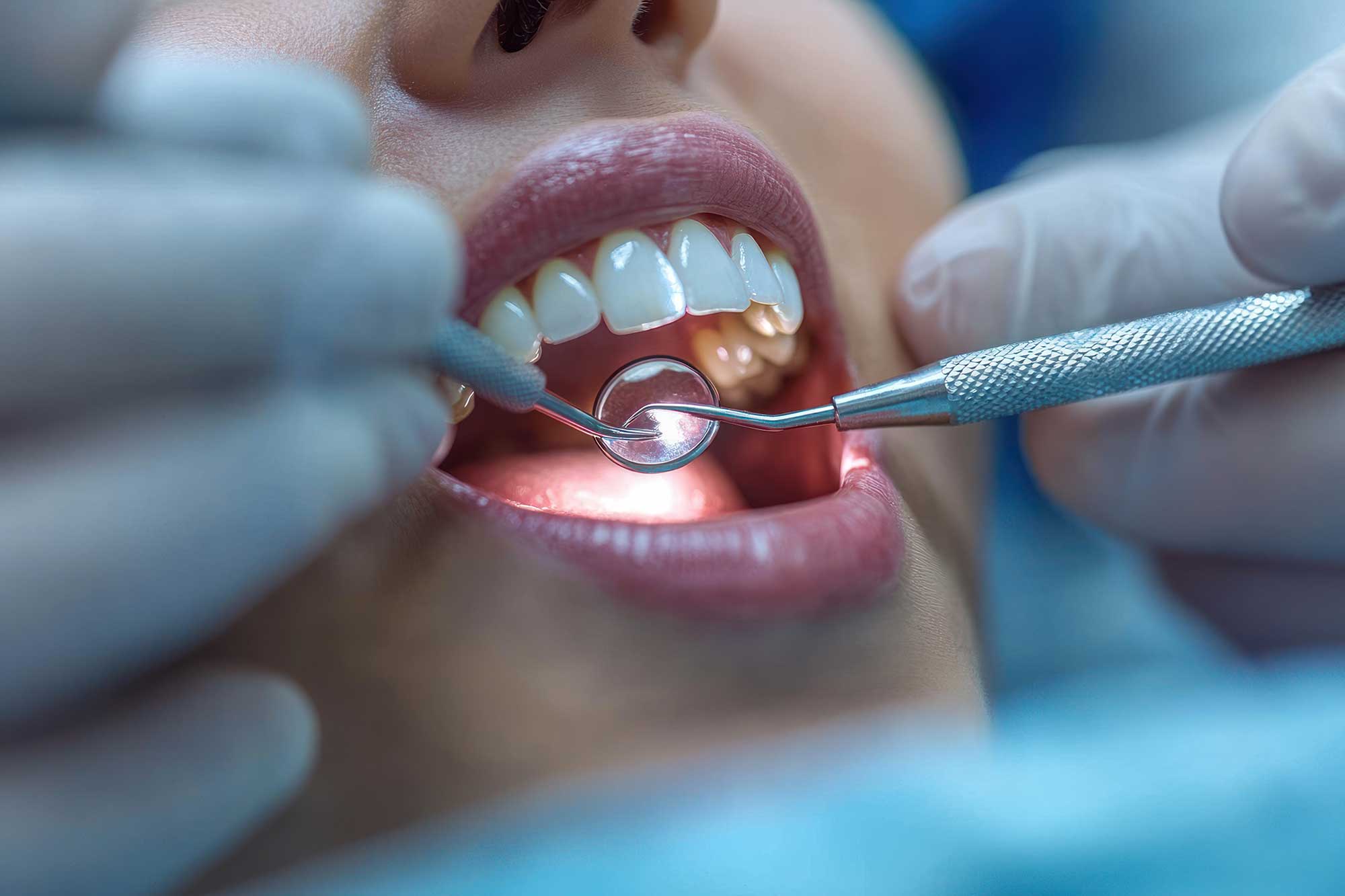
- Can only be removed with professional dental cleaning. A dentist or dental hygienist uses special tools to scale the teeth and remove tartar buildup
Key Differences Between Plaque and Tartar
Tartar is plaque that has been left to harden. So, while they are related, they are not the same. Here are some of the main differences.
Composition/Texture
- Plaque – soft, sticky film of bacteria
- Tartar – hardened plaque from mineral deposits
Color
- Plaque – Colorless or pale yellow
- Tartar – Yellow, brown, or black
Formation Time
- Plaque – Begins forming within 20 minutes of eating
- Tartar – Forms within 24-72 hours if plaque isn’t removed
How to Remove
- Plaque – By brushing and flossing
- Tartar – Only by professional dental cleaning
Health Risks
- Plaque – Tooth decay, gingivitis, gum disease
- Tartar – Advanced gum disease, cavities, tooth loss, bad breath
Preventing Plaque and Tartar Buildup

The best way to avoid tartar forming on your teeth is to prevent plaque buildup. The most effective way to prevent plaque buildup is to maintain good oral hygiene.
Brush Twice Daily
- Brushing with fluoride toothpaste at least twice a day, for at least two minutes
- Strengthens tooth enamel and helps prevent cavities
Floss Daily
- Helps remove food particles and plaque between your teeth and below the gumline
Regular Dental Check-ups
- See your dentist or dental hygienist regularly, ideally every six months, for professional cleanings and exams
- Allows for tartar removal and for issues to be diagnosed and addressed early, helping to prevent serious problems
Limit Sugary Foods and Drinks
- Reduce the amount of sugary and starchy snacks and beverages you consume
- Sugary substances contribute to acid production by bacteria that forms plaque and leads to tooth enamel weakening (demineralization) and subsequent decay
Summary
Plaque is a soft, sticky film of bacteria that forms on your teeth and can lead to dental problems if not removed. Tartar is hardened plaque that forms within 24 to 72 hours of plaque forming. The best way to keep plaque at bay is through regular brushing and flossing. Brush for at least two minutes twice a day. Flossing helps remove food particles and plaque in between your teeth where your brush can’t reach. Tartar needs to be removed by a dental professional so it’s important to maintain a schedule of seeing your dentist or dental hygienist every six months for checkups and cleaning. Limiting consumption of sugary foods and drinks can also help keep plaque from developing. Understanding the difference between plaque and tartar and maintaining good oral hygiene can help you keep your smile healthy and prevent more serious dental problems.
Avoid Cavities, Tooth Decay and Tartar with Oral-B
Keep your teeth clean and cavity-free. Things like tooth decay and tartar happen when plaque forms on teeth as a sticky film. Plaque contains bacteria that feed on sugar from food and drinks. As these bacteria metabolize sugar, they release acids that can erode tooth enamel. This can lead to cavities and other problems. But help is just a toothbrush away. Here are a few suggestions to help establish a regular, effective routine.
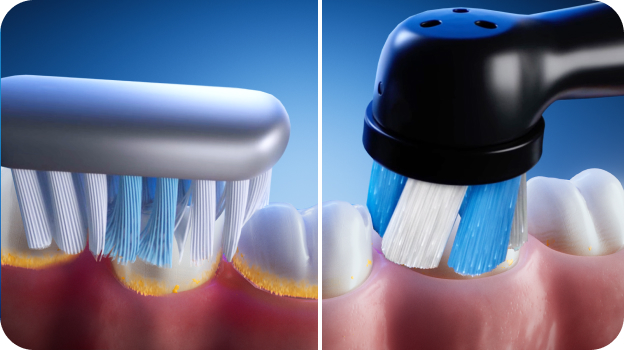
- Try switching to an electric toothbrush, such as the Oral-B iO electric toothbrush, which protects teeth and gums from the leading causes of tooth decay, early signs of gum disease, and tooth loss.
- The right toothbrush head, such as the Oral-B iO Gentle Care brush head, contain dentist-inspired soft bristles and optimized bristle patterns that adapt to the curves of the teeth and gums and provide a gentle clean with maximum comfort.
- Use with Crest Pro-Health Advanced Toothpaste that's made with patented stannous fluoride. It will help strengthen teeth and neutralize plaque bacteria that can lead to tooth decay and tartar.
- Another way to ensure your teeth stay cavity and tartar free, swish with Crest Mouthwash.
- To help prevent tooth decay and reduce your risk of developing gum disease by removing plaque, floss your teeth at least once daily with Oral-B floss, and make sure you get around every tooth. Another easy add-on to help your oral care and prevent cavities from forming is to use an Oral-B water flosser.
There is a connection between oral health and systemic health, so it’s important to treat conditions like tooth decay and gum disease as soon as possible. That’s why Oral-B, in partnership with Crest, is committed to championing oral health for all, conducting research and creating products to help with a wide range of oral health conditions. Oral-B products are scientifically proven to protect teeth and gums from the leading causes of tooth decay, gum disease, and tooth loss.
FAQs
-
What’s worse: plaque or tartar?
-
Can you scrape tartar off yourself?
-
How long does it take for plaque to become tartar?
-
What is extreme plaque?
-
Can tartar break off your teeth?
Sources
- https://my.clevelandclinic.org/health/diseases/10953-plaque
- https://my.clevelandclinic.org/health/diseases/25102-tartar
- https://www.healthline.com/health/plaque-vs-tartar
- https://www.mayoclinic.org/diseases-conditions/cavities/symptoms-causes/syc-20352892
- https://www.mouthhealthy.org/all-topics-a-z/plaque
- https://www.webmd.com/oral-health/tartar-dental-calculus-overview/
Adam R. (2020). Introducing the Oral-B iO electric toothbrush: next generation oscillating-rotating technology. International Dental Journal, 70 Suppl 1(Suppl 1), S1–S6.https://doi.org/10.1111/idj.12570
Chen, C. K., et al. (2017). Association between chronic periodontitis and the risk of Alzheimer’s disease: A retrospective, population-based, matched-cohort study. Alzheimer’s Research & Therapy, 9, 56https://doi.org/10.1186/s13195-017-0282-6
Ganss, C., et al. N. (2018). Tooth brushing motion patterns with manual and powered toothbrushes-a randomised video observation study. Clinical Oral Investigations, 22(2), 715–720.https://doi.org/10.1007/s00784-017-2146-7
Grender, J., et al. (2020). An 8-week randomized controlled trial comparing the effect of a novel oscillating-rotating toothbrush versus a manual toothbrush on plaque and gingivitis. International Dental Journal, 70, S7–S15https://doi.org/10.1111/idj.12571
Grossi, S. G., et al. (1998). Periodontal disease and diabetes mellitus: A two-way relationship. Annals of Periodontology, 3, 51-61.https://doi.org/10.1902/annals.1998.3.1.51
Janket, S. J., et al. (2003). Meta-analysis of periodontal disease and risk for coronary heart disease and stroke. Oral Surgery, Oral Medicine, Oral Pathology, Oral Radiology, and Endodontology, 95, 559-569https://doi.org/10.1067/moe.2003.107
Scientific American. (2021)The Surprising Perils of Periodontal Disease.
Xie, S., et al. (2024). Stannous fluoride protects gingival keratinocytes against infection and oxidative stress by Porphyromonas gingivalis outer membrane vesicles. Frontiers in Dental Medicine, 5, 1492369.https://doi.org/10.3389/fdmed.2024.1492369
Zou, Y., et al. (2024). A meta-analysis comparing toothbrush technologies on gingivitis and plaque. International Dental Journal, 74(1), 146-156.https://doi.org/10.1016/j.identj.2023.06.009
Table of Contents
- What is Plaque?
- What is Tartar?
- Key Differences Between Plaque and Tartar
- Preventing Plaque and Tartar Buildup
- Summary
- Avoid Cavities, Tooth Decay and Tartar with Oral-B
-
- FAQs
- Sources

This blog has been reviewed and approved by Dr Robert Lee, a dental professional of 35 years
LEARN MORE >
Sign Up
for oral care tips, expert advise, and exclusive offers.
Sign Up
for oral care tips, expert advise, and exclusive offers.