Summary
Canine teeth play a crucial role in biting and chewing food. When one doesn't come in properly, it's called an impacted canine tooth. This can lead to discomfort and alignment issues. But there are effective ways to treat them. The most important thing is don't wait. Early intervention can prevent complications such as crowding or infections and make treatment easier. So, address the issue early and work with your dentist or orthodontist to create a personalized plan.
Impacted Canine Tooth: Here’s What You Should Know
Canine teeth are those pointy teeth that sit near the corners of your mouth. Sometimes called "eye teeth," they are an important part of your smile. Canine teeth are durable, hardworking teeth that have a crucial role in biting, tearing, and chewing food, as well as helping to guide the jaw during movement to protect other teeth from excessive wear and tear.
Sometimes, these teeth don’t come in as expected. When a canine tooth gets stuck and doesn't emerge properly, it’s called an impacted canine tooth. In fact, canines are the second most commonly impacted teeth. This can lead to discomfort, alignment issues, and even affect your overall oral health. While it can sound serious, you can exhale. There are plenty of effective ways to manage and treat the issue.
A Wide Range of Causes
An impacted canine tooth happens when the tooth is unable to break through the gum on its own. There are a surprisingly large range of factors that can contribute to this issue.
Lack of Space: One of the most common reasons for an impacted canine is if there is overcrowding in the mouth. When there isn’t enough room for the canine to emerge, it may grow in the wrong direction or remain stuck beneath the gums.
Unusual Growth Path: Sometimes, a canine tooth may grow at an off angle or unusual direction, including horizontally. This can make it difficult for it to erupt naturally.
Baby Teeth That Don't Fall Out in Time: Baby teeth serve as placeholders for permanent teeth, but they need to make way when it’s time for the adult teeth to come in. Somebody call in the tooth fairy, because if the baby tooth doesn’t fall out when it should, it may be hard for the adult canine tooth to emerge correctly.
Genetics: Sometimes, like freckles or red hair, an impacted canine tooth runs in the family. If people in your family, such as your parents or siblings, had issues with their canine teeth coming in properly, you may be more likely to go through the same thing.
Gender Differences: According to a study published by the National Library of Medicine, impacted canine teeth are more common in females than males. While the exact reasons are not fully understood, this difference is believed to be linked to genetic factors and variations in craniofacial development between sexes.
Signs and Symptoms: What to Watch For
It’s not always obvious that you have an impacted canine tooth, especially if it’s beneath the gums or not causing discomfort. Some symptoms are obvious, such as a missing tooth where the canine should be. Sometimes it comes in at the wrong place or at an odd angle.
Other symptoms can be more subtle, such as swelling, tenderness, or even pain around the area. Another can be misalignment, where the impacted canine can crowd and push against neighboring teeth, leading to changes in alignment. In some cases, the pressure from an impacted canine can even cause damage to the roots of adjacent teeth (a process called resorption). In rare cases, an impacted tooth can lead to cysts or infections beneath the gums.
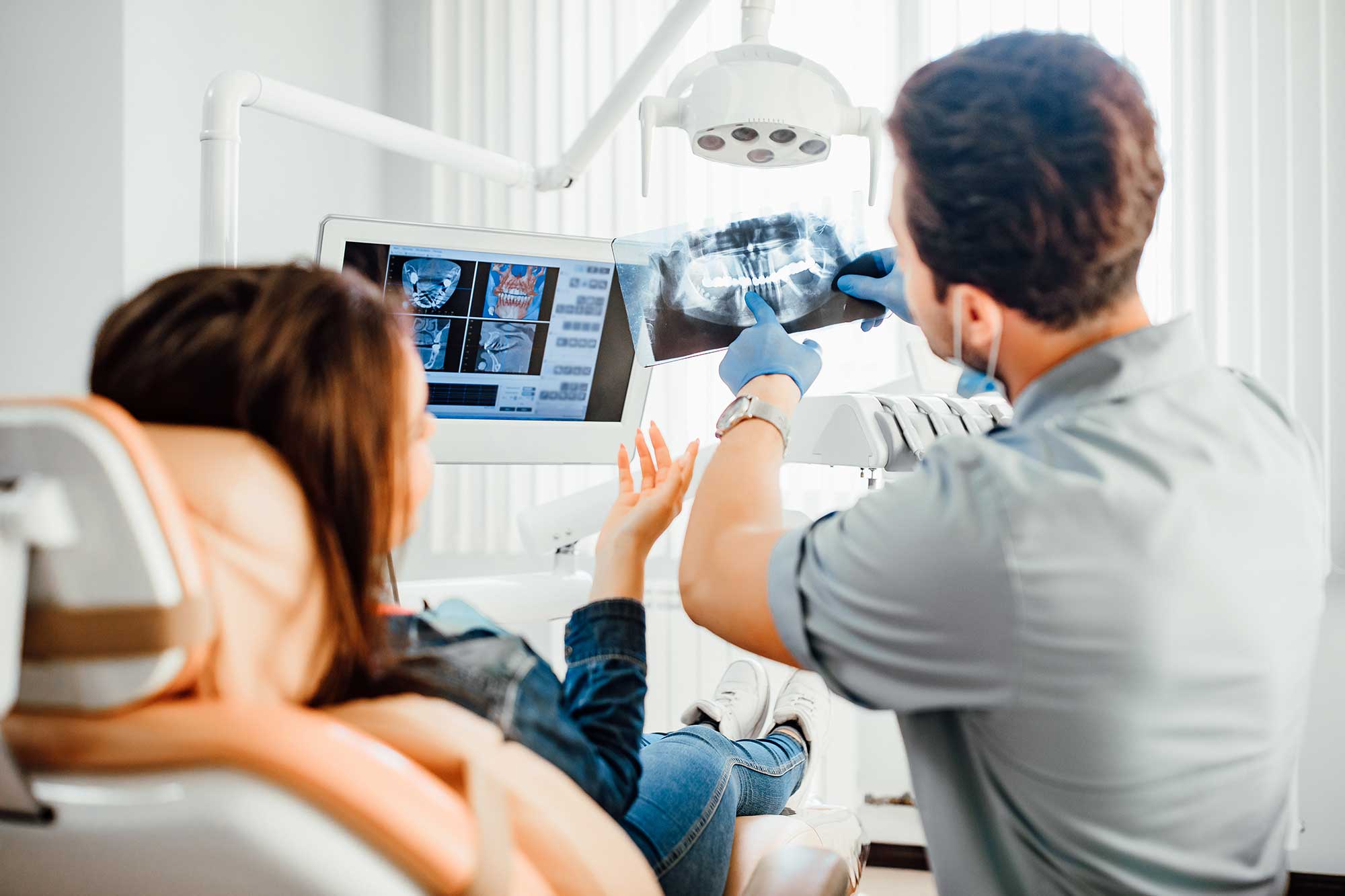
If your dentist or orthodontist suspects an impacted canine, they will probably start with a visual exam, which lets them check for gaps or misalignment. X-rays or 3D imaging can help determine the exact location and position of the impacted tooth. Finally, dental impressions or digital scans may be used to create a treatment plan.
Because an impacted canine can affect chewing and cause alignment issues, early detection is important. The American Association of Orthodontists (AAO) recommends that children see an orthodontist by age 7 to identify any early signs of dental issues, including impacted canines. This helps with timely intervention and increases the odds of successfully guiding the tooth into place.
Treatment Options for an Impacted Canine Tooth
If you suffer from an impacted canine, there's good news. Impacted canine teeth can often be treated successfully. Of course, the right treatment depends on things like age, severity, and overall dental health. The cost will vary according to the severity and treatment, but your dentist can guide you.
Orthodontics
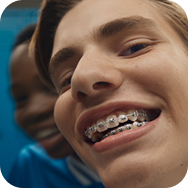
For younger patients, orthodontic treatment can help guide the impacted canine into its proper place. Braces, spacers, or expanders can create enough room for the tooth to emerge naturally.
Surgical Exposure and Orthodontic Alignment
In some cases, a minor surgical procedure can expose the impacted tooth, and then an orthodontist will use braces and small attachments to gently guide it into place over time. This is a common and effective treatment for teens and young adults.
Tooth Extraction and Replacement
If the impacted tooth cannot be saved or guided into place, it may need to be removed. In this case, since it’s a fairly prominent tooth, a dental implant or bridge can be used to fill the gap.
No Treatment aka Monitoring
In certain situations, particularly for adults with no symptoms, a dentist may recommend simply monitoring the impacted tooth to ensure it doesn’t cause problems.
Oral Health Issues and How to Prevent Them
Common oral health issues can include cavities and tooth decay, gum disease, staining and sensitivity. The main culprit of which is often plaque buildup—a sticky film of bacteria that forms on teeth. If not treated, these conditions can lead to tooth loss and may even affect your overall health.
By following a complete oral care routine, you can help nip these issues in the bud, for a stronger, healthier smile:
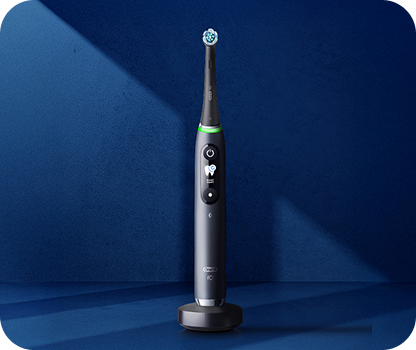
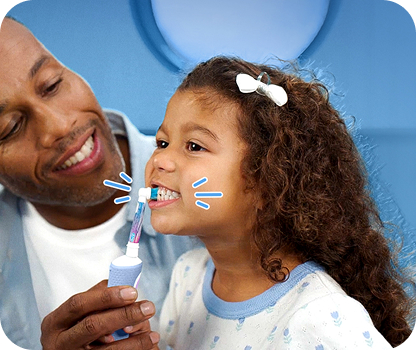
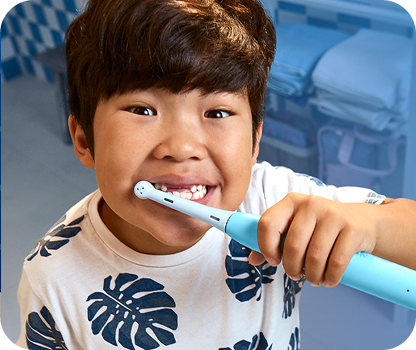
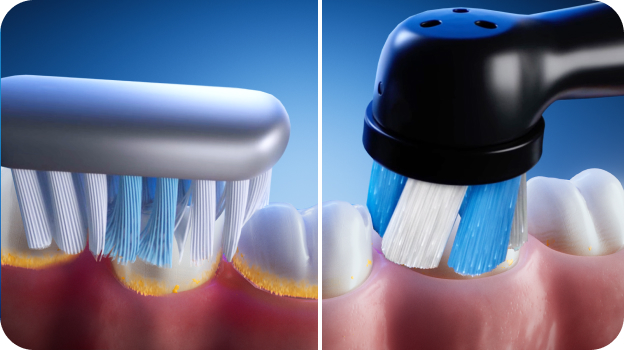
- Brush 2X/day with an Oral-B iO Electric Toothbrush: An electric toothbrush, like an Oral-B iO, helps remove up to 100% more plaque than a regular manual toothbrush. The dentist-inspired round brush head surrounds each tooth as it adapts to the curves of teeth and gums to ensure a cleaner, healthier smile—even in hard-to-reach areas.
- Protect Your Smile with Crest Pro-Health Toothpaste: Make sure to brush twice a day with stannous fluoride toothpaste. Not only does it help fight cavities and tooth decay, Crest toothpaste formulated with stannous fluoride like Crest Pro-Health also keeps enamel strong, fights sensitivity, and offers protection from plaque buildup when you brush twice daily.
- Rinse with Crest Pro-Health Mouthwash: Swish with an antibacterial mouthwash like Crest Pro-Health Mouthwash to help kill plaque bacteria, rinse away leftover food particles, support gum health and leave your mouth feeling clean and fresh.
- Pair String Floss with an Oral-B Water Flosser: Adding a water flosser to your routine can help remove any leftover food particles and disrupt plaque from hard-to-reach areas for an added layer of protection.
By following a thorough oral care routine at home and visiting your dental professional at least twice a year, you can reduce the risk of developing tooth decay, gum disease, and protect your smile for years to come.
Summary
An impacted canine tooth might sound kind of scary, but it’s a common issue that has several effective treatment options. The most important thing is don’t wait. The American Association of Orthodontists stresses the importance of early intervention to prevent complications and make treatment easier. So address the issue early and work with your dentist or orthodontist to create a personalized plan.
If you or your child has been diagnosed with an impacted canine, don’t stress out. Thanks to modern dental techniques, it’s possible to guide the tooth into place and maintain a healthy, confident smile. Whether through orthodontic intervention, minor surgery, or simple monitoring, there’s a solution that can work for you.