How Do You Know if You Need a Root Canal?
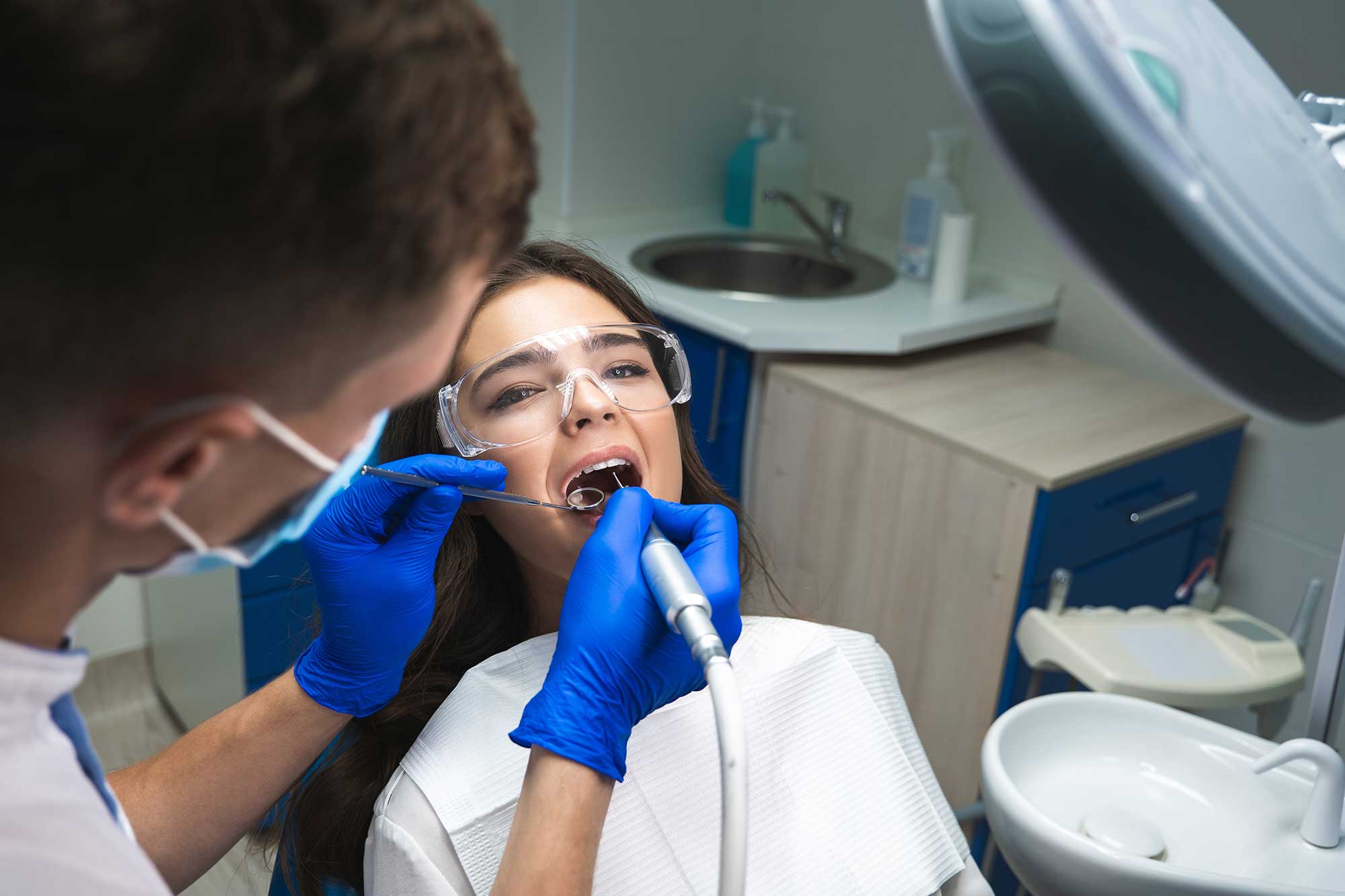
The dentist will officially need to look at your teeth and probably view x-rays to determine if a root canal is needed. You can check for root canal symptoms such as tooth pain, sensitivity or throbbing in your mouth, and gum or tooth tenderness. If you notice pus (a sign of an abscess) near a tooth, contact your dentist immediately. If you notice any irritations or food or drink sensitivities, be sure to check in with your dentist.
Root Canal Symptoms
Some indications of the need for root canal treatment may be:
- Spontaneous pain or throbbing while biting
- Sensitivity to hot and cold foods
- Severe decay or an injury that creates an abscess (infection) in the bone
What Causes a Root Canal?
There are many causes of a root canal and it's typically hard to pinpoint exactly what may cause the irritation. Not brushing your teeth daily or not flossing daily can cause bacteria to build up, which could lead to a root canal if it's not treated quickly. In addition, issues with your teeth can be caused by trauma, genetics, many cavities, age and more. You will know best how you treat your teeth and what your oral hygiene routines are. Practicing oral hygiene and using supportive electric toothbrushes, like Oral-B's product lines, can keep your teeth healthy and avoid bacteria build up.
How to Avoid Root Canals?
The best way to avoid needing a root canal is by taking care of your oral hygiene and cleaning your teeth daily. Regular dental cleanings will help keep your teeth in good shape and getting dental x-rays done annually can prevent cavities from growing or turning into an infection. By regularly seeing a dentist you can get expert advice about your teeth and oral hygiene and be aware of any problems that may grow into needing a root canal. You will want to take charge of taking care of your teeth too and ensure you make time to brush and floss daily!
Root Canal Procedure
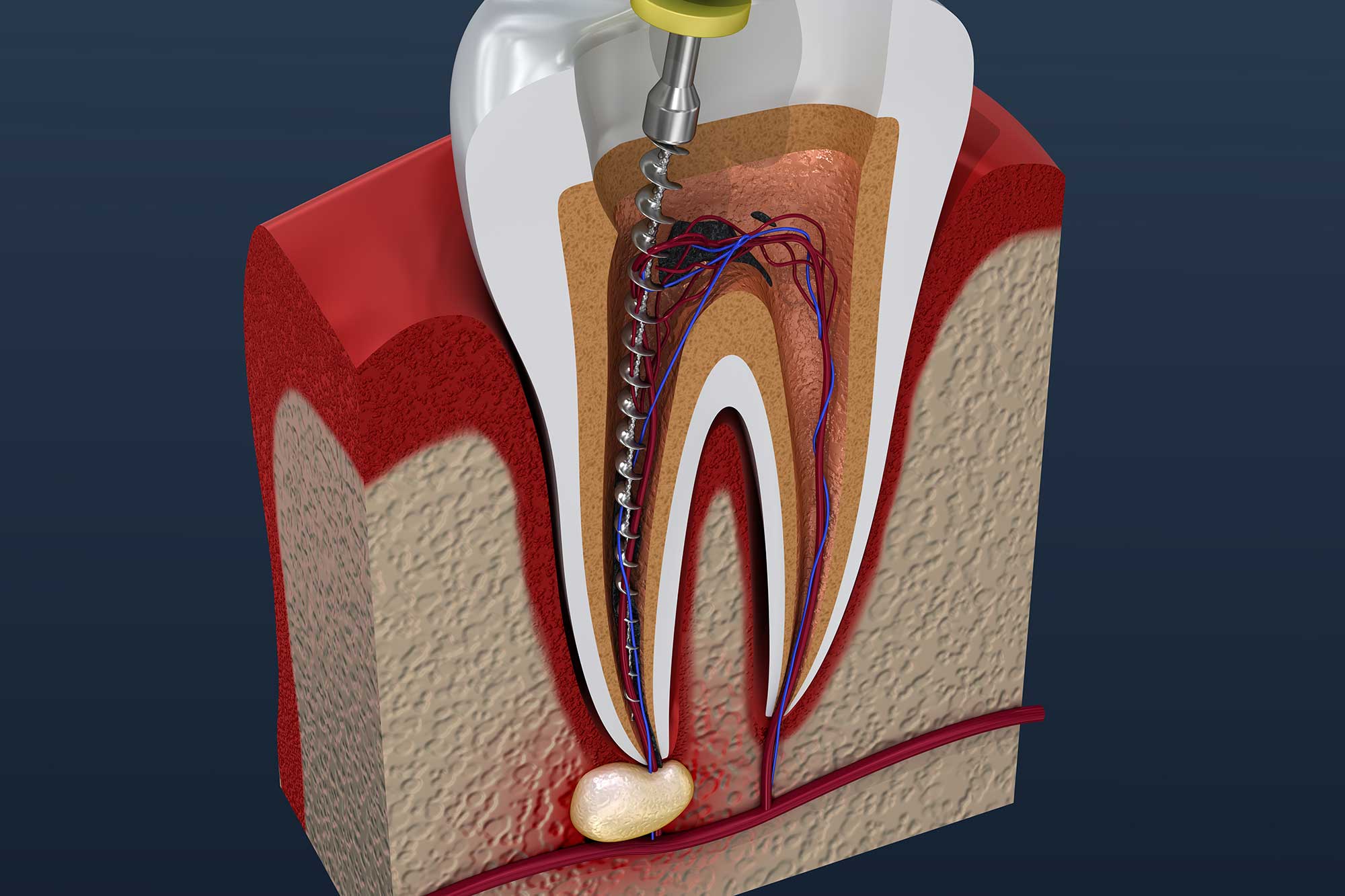
A root canal is completed in five steps:
- After the tooth is anesthetized, an opening is made through the crown into the pulp chamber.
- The length of the root canals is determined.
- Unhealthy pulp is removed; canals are cleaned, enlarged and shaped.
- Canals are then filled and sealed. In cases where significant tooth structure is lost, a post may be added for structural support or to retain restorative materials.
- The tooth is sealed with a temporary filling. Usually, a gold or porcelain crown adds further protection.
The material used to fill your root canal is designed to last a lifetime, but the final restoration (such as a filling or crown) may need to be replaced eventually.
Root Canal Pain
During the root canal procedure, a patient typically does not experience pain because they have medications and numbing agents. However, before the root canal is diagnosed someone may experience various discomforts in their mouth. After the root canal, symptoms should minimize and if the problem is fixed, there should not be much pain, however, certain measures will need to be taken to heal.
Root Canal Recovery
Root canal recovery may vary from individual to individual, however, most recoveries average about 1-2 weeks. Check with your dentist how long your recovery may take though. After a root canal you may be prescribed other medications to take and your dentist will probably recommend not eating hard or sticky foods. Smoking and alcohol should be avoided as they can impair the healing process. Yet, if any new swelling or discomforts arise in your mouth after having a root canal, contact your dentist.
Root Canal Cost
Check with your dental insurance to determine how much a root canal may cost. Your dentist can give you an estimate too. Because dental insurance has different benefits and coverage, you will want to call your insurance to know your options and costs. The costs of a root canal also depend on which teeth are affected and how long it takes. Delta Dental, a national dental insurance provider, estimates root canals to cost the following:
- Root Canal – Front Tooth (approximately $620 - $1,100 Out-of-Network
- Root Canal – Premolar (approximately $720- $1,300 Out-of-Network)
- Root Canal – Molar (approximately $890 - $1,500 Out-of-Network)
Help Avoid Root Canals with Oral-B
Keep your teeth clean and cavity-free. Things like tooth decay and tartar happen when plaque forms on teeth as a sticky film. Plaque contains bacteria that feed on sugar from food and drinks. As these bacteria metabolize sugar, they release acids that can erode tooth enamel. This can lead to cavities and other problems. But help is just a toothbrush away. Here are a few suggestions to help establish a regular, effective routine.
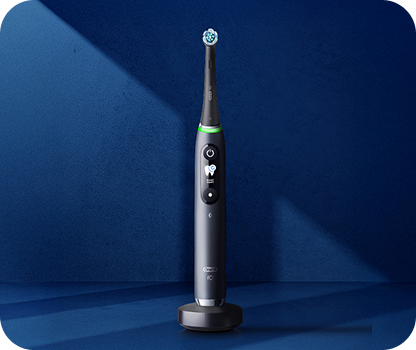
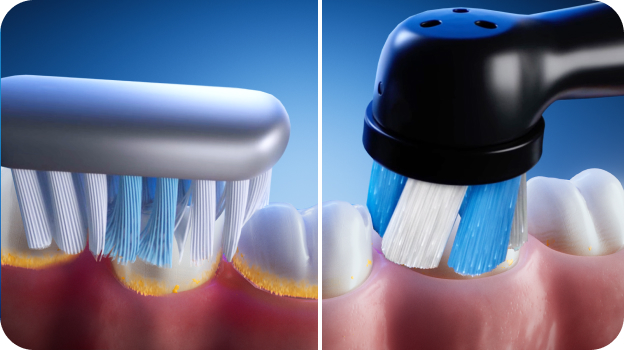
- Try switching to an electric toothbrush, such as the Oral-B iO electric toothbrush, which protects teeth and gums from the leading causes of tooth decay, signs of early gum disease, and tooth loss.
- The right toothbrush head, such as the Oral-B iO Ultimate Clean brush head, that removes plaque and has different bristle lengths that reach deep into the spaces between your teeth, where plaque bacteria love to hide.
- Combine with a Crest toothpaste containing fluoride, such as Crest Pro-Health, which is formulated with stannous fluoride to help neutralize plaque bacteria.
- To further protect your mouth, swish with a rinse like Crest Pro-Health Multi-Protection Mouthwash, which kills 99% of germs that can cause plaque, gingivitis, and bad breath.
- To help prevent tooth decay and reduce your risk of developing gum disease by removing plaque, floss your teeth at least once daily with Oral-B floss, and make sure you get around every tooth. Another easy add-on to help your oral care and prevent cavities from forming is to use an Oral-B water flosser.
There is a connection between oral health and systemic health, so it’s important to treat conditions like tooth decay and gum disease as soon as possible. That’s why Oral-B, in partnership with Crest, is committed to championing oral health for all, conducting research and creating products to help with a wide range of oral health conditions. Oral-B products are scientifically proven to protect teeth and gums from the leading causes of tooth decay, gum disease, and tooth loss.