Things To Avoid After Tooth Extraction: Tips For A Smooth Recovery

SUMMARY
Key Takeaways
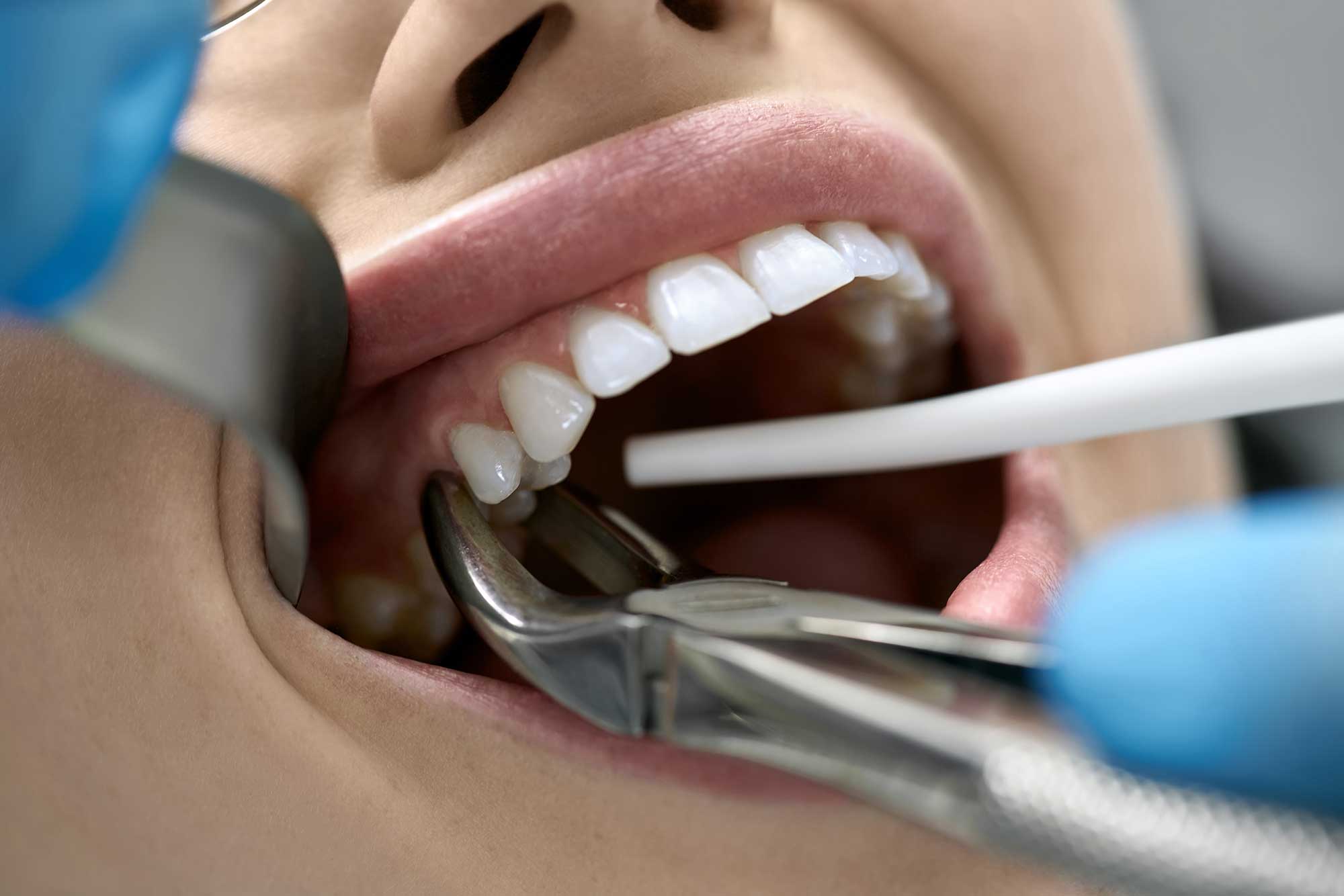
- A tooth extraction is a dental procedure where a dentist pulls a tooth out of your mouth.
- After a tooth extraction your cheeks may be swollen, and you will need time to rest, recover and heal.
- Avoid hard, crunchy foods and anything that requires too much chewing.
- You’ll want to eat softer foods, like smoothies, pudding or yogurt while you heal from a tooth extraction.
- Your dentist will advise you about your recovery process and provide the necessary recommendations based on your condition.
- After a tooth extraction it’s important to keep up with brushing and flossing daily but avoid the affected area in your mouth.
Table of Contents

This blog has been reviewed and approved by Dr Robert Lee, a dental professional of 35 years
LEARN MORE >Key Takeaways
Your tooth may need to be extracted for different reasons – including irreparable decay or tooth infection or creating space for orthodontic treatment. When your dentist informs you that a tooth extraction is required, have no fear, as it is a dental procedure that is quite common. If your tooth extraction is decay related, you can avoid needing an extraction by being diligent about your oral care and brushing and flossing your teeth daily. Oral-B shares dental hygiene tips below including tips for a smooth recovery after a tooth extraction.
What is a Tooth Extraction
A tooth extraction is a dental procedure that involves removing a tooth from your mouth. Typically, a patient will need a tooth extracted if the tooth has decayed beyond repair. Sometimes a tooth needs to be extracted to make space for orthodontic treatment. It may sound painful, however while patients don’t feel pain during the procedure, it is common to feel a sensation of pressure. The dentist will numb the area in your mouth where the tooth that needs to be extracted is located.
Recovering from a tooth extraction can be unpleasant and uncomfortable. Your dentist will prepare you on what to expect and provide recommendations based on your conditions.
Tooth Extraction Healing
The healing process after a tooth extraction can vary from individual to individual. Your dentist will advise you of what to expect and give you a protocol to follow. Although getting a tooth extracted can be no fun, during the healing and recovery phase it can be an excuse to relax, get more sleep and eat softer yummy foods like pudding and smoothies.
Things to Avoid After Tooth Extraction

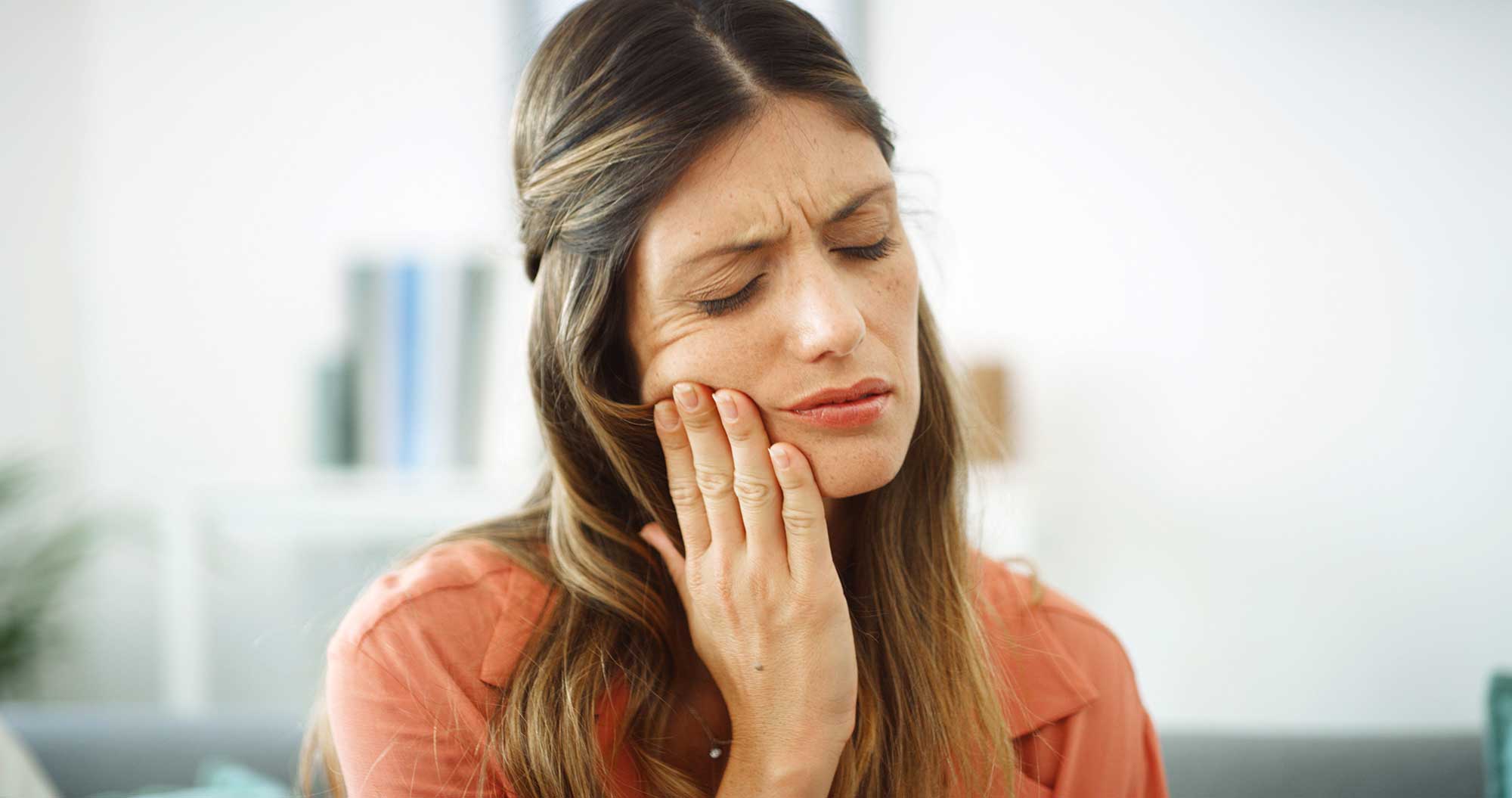
After a tooth extraction your mouth may be sore and swollen. You will want to rest and avoid eating any hard or heavy foods. You’ll need to support your body's healing process, so you should avoid smoking and drinking alcohol. Be sure to take things easy and get plenty of sleep.
- Avoid crunchy, sticky, hard foods.
- Avoid sipping with straws.
- Avoid strenuous activity for a few days or any activity that may harm your mouth.
- Avoid stress and take time off work to recover, if needed.
Tooth Extraction Recovery Time
Recovering from a tooth extraction can take a few days to a few weeks. In most cases, initial healing of the soft tissue (gums) over the extraction site takes about 7 to 10 days.
Within 48 to 72 hours, you will be able to do your light, routine activities, while your mouth is still healing.
Help your recovery after a tooth extraction with these tips:
- You can help your recovery by nurturing yourself with soft foods.
- Take care of the affected area of your mouth and change out any gauze pads.
- Ice your cheeks on and off to reduce swelling.
- Tend to your oral care with brushing and flossing daily but avoid the area of the extracted tooth.
- Beginning 24 hours after the extraction, gently rinsing your mouth with warm water and salt can help with recovery too.
- Take care of your diet and avoid smoking, alcohol, and lots of sugar.
- Get plenty of rest and prop your head in comfortable positions.
Foods to Eat After Tooth Extraction
Softer foods and liquids will help you recover from a tooth extraction. As your mouth may be swollen, biting and chewing will be more difficult and even painful. It is important to stay hydrated with plenty of water and liquids. Be mindful about hot and cold temperatures too, as they may be unpleasant for your mouth.
Try these foods after a tooth extraction and always consult with your dentist about what kind of diet they recommend:
- Smoothies, but be careful of making them too cold
- Soups, not too hot
- Yogurt, applesauce and pudding
- Mashed potatoes
- Scrambled eggs
- Froyo
- Oatmeal
Oral Hygiene Tips After Tooth Extraction
Keep your teeth clean and cavity-free. Things like tooth decay and tartar happen when plaque forms on teeth as a sticky film. Plaque contains bacteria that feed on sugar from food and drinks. As these bacteria metabolize sugar, they release acids that can erode tooth enamel. This can lead to cavities and other problems. But help is just a toothbrush away. Here are a few suggestions to help establish a regular, effective routine.
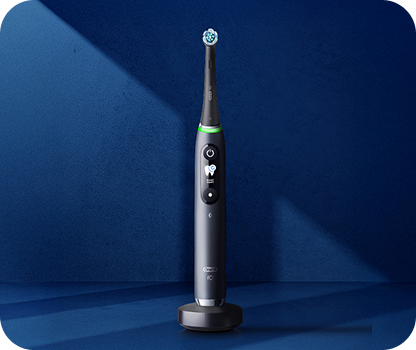
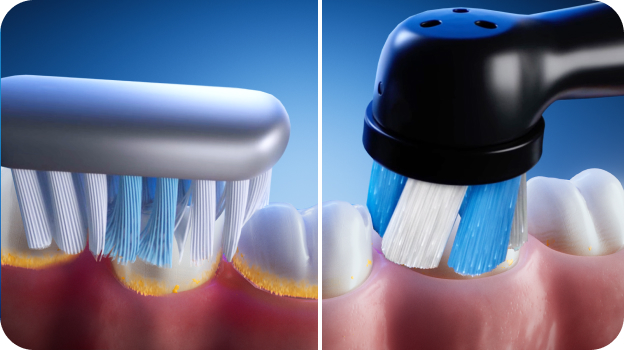
- Try switching to an electric toothbrush, such as the Oral-B iO electric toothbrush, which protects teeth and gums from the leading causes of tooth decay, signs of early gum disease, and tooth loss.
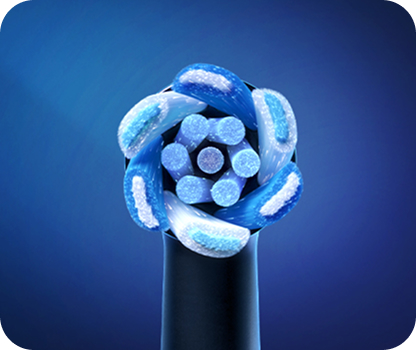
- The right toothbrush head, such as the Oral-B iO Gentle Care brush head, contain dentist-inspired soft bristles and optimized bristle patterns that adapt to the curves of the teeth and gums and provide a gentle clean with maximum comfort.
- Combine with a stannous fluoride toothpaste like Crest Pro-Health, which is formulated to help protect against cavities and plaque bacteria.
- Another way to ensure your teeth stay cavity and tartar free, swish with a multi-protection rinse like Crest Pro-Health Multi-Protection Mouthwash to help reduce plaque and prevent cavities.
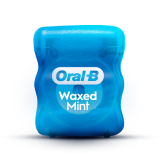
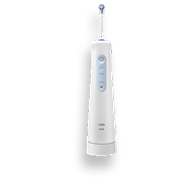
- To help prevent tooth decay and reduce your risk of developing gum disease by removing plaque, floss your teeth at least once daily with Oral-B floss, and make sure you get around every tooth. Another easy add-on to help your oral care and prevent cavities from forming is to use an Oral-B water flosser.
If left untreated, conditions like gum disease are associated with an increased risk of other significant problems in the body, such as cardiovascular disease. That’s why Oral-B, in partnership with Crest, is committed to championing oral health for all, conducting research and creating products to help with a wide range of oral health conditions. Oral-B products are scientifically proven to protect teeth and gums from the leading causes of tooth decay, gum disease, and tooth loss.
FAQs
-
What can I eat after tooth extraction?
-
How long after tooth extraction can I eat?
-
How long does a tooth extraction take to heal?
-
How long to keep gauze in after tooth extraction?
-
What to do after tooth extraction?
-
What makes a tooth extraction heal faster?
Sources
- https://my.clevelandclinic.org/health/treatments/22120-tooth-extraction
- https://www.healthline.com/health/tooth-extraction#recovery
- https://www.webmd.com/oral-health/pulling-a-tooth-tooth-extraction
- Adam, R., et al. (2023). Brushing behavior changes and plaque removal with an electric toothbrush: A clinical trial. International Journal of Dental Hygiene, 21(4), 747-754.
Biesbrock, A., et al. (2006). Assessment of treatment responses to dental flossing in twins. Journal of periodontology, 77(8), 1386–1391.https://doi.org/10.1902/jop.2006.050399
Chen, C. K., et al. (2017). Association between chronic periodontitis and the risk of Alzheimer’s disease: A retrospective, population-based, matched-cohort study. Alzheimer’s Research & Therapy, 9, 56.https://doi.org/10.1186/s13195-017-0282-6
Grender, J., et al. (2020). An 8-week randomized controlled trial comparing the effect of a novel oscillating-rotating toothbrush versus a manual toothbrush on plaque and gingivitis. International Dental Journal, 70, S7–S15.https://doi.org/10.1111/idj.12571
Grossi, S. G., et al. (1998). Periodontal disease and diabetes mellitus: A two-way relationship. Annals of Periodontology, 3, 51-61.https://doi.org/10.1902/annals.1998.3.1.51
He, T., et al. (2017). The Case for Stabilized Stannous Fluoride Dentifrice: An Advanced Formulation Designed for Patient Preference. Journal of Clinical Dentistry, 28(4 Spec No B), B1-5.https://pubmed.ncbi.nlm.nih.gov/29334434/.
Janket, S.J., et al. (2003). Meta-analysis of periodontal disease and risk for coronary heart disease and stroke. Oral Surgery, Oral Medicine, Oral Pathology, Oral Radiology, and Endodontology, 95, 559-569.https://doi.org/10.1067/moe.2003.107
Zou, Y., et al. (2024). A meta-analysis comparing toothbrush technologies on gingivitis and plaque. International Dental Journal, 74(1), 146-156.https://doi.org/10.1016/j.identj.2023.06.009
Table of Contents
- What is a Tooth Extraction
- Tooth Extraction Healing
- Things to Avoid After Tooth Extraction
- Tooth Extraction Recovery Time
- Foods to Eat After Tooth Extraction
- Oral Hygiene Tips After Tooth Extraction
-
- FAQs
- Sources

This blog has been reviewed and approved by Dr Robert Lee, a dental professional of 35 years
LEARN MORE >
Sign Up
for oral care tips, expert advise, and exclusive offers.
Sign Up
for oral care tips, expert advise, and exclusive offers.