Tooth Cap Vs Crown: What's The Difference

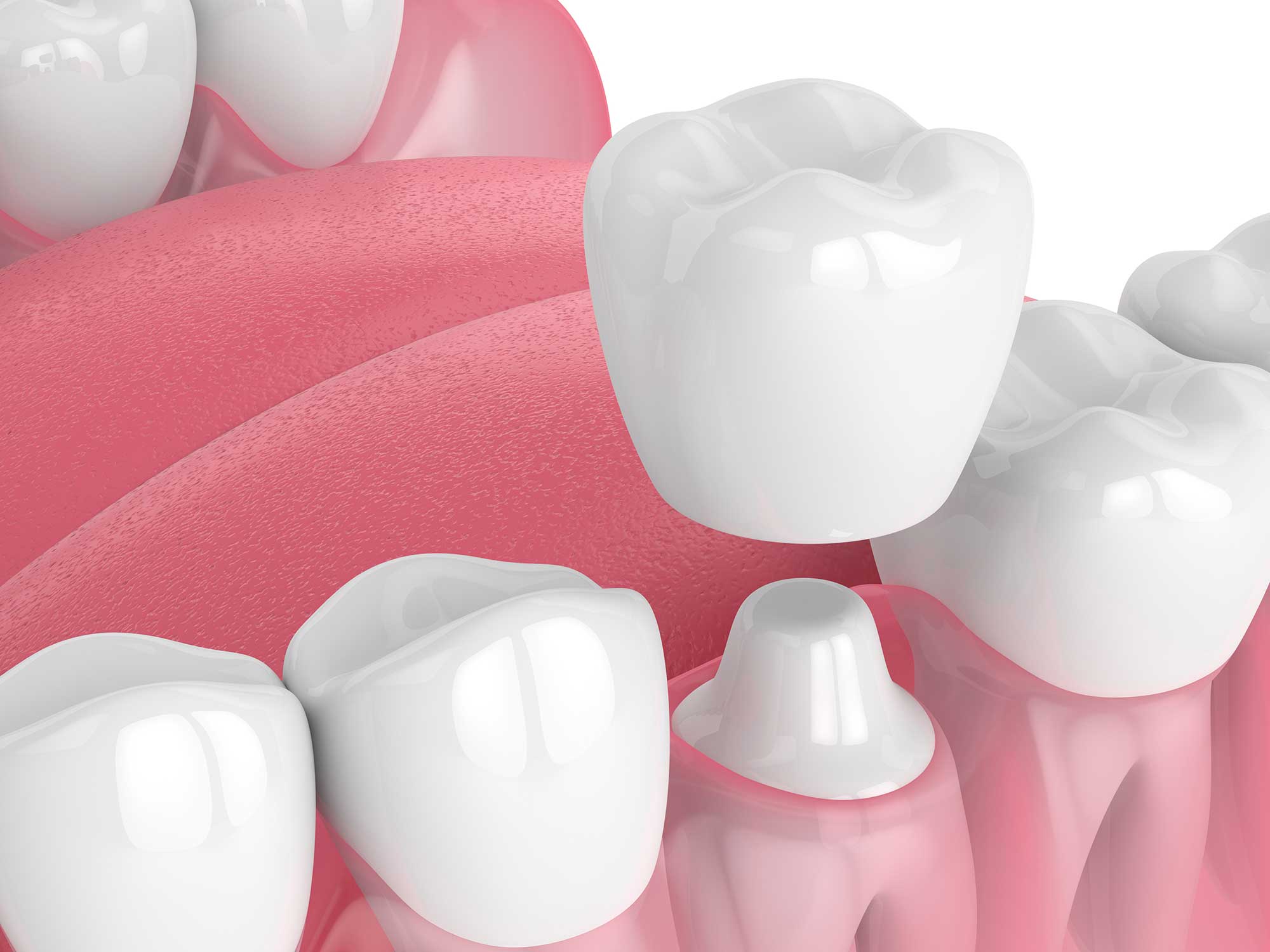
Stylized illustration showing a crown being placed
Last Updated : December 18, 2025

Summary

If you’ve heard of the terms tooth cap and dental crown, you might wonder what the difference is. The answer is they are used interchangeably, though "crown" is more common. They both refer to a custom-made, tooth-shaped cover that is placed over a damaged or weakened tooth to protect it from further damage.

Some people maintain there is a slight difference. Some people use the term "tooth cap" colloquially, while "dental crown" is the more common clinical and professional term used by dentists. It’s a small distinction, and we’re going to use the term crown for this article.

Key Takeaways

  • “Tooth cap” and “dental crown” essentially refer to the same thing; “crown” is considered the professional term.
  • Dentists use crowns to restore weak, broken, or decayed teeth. It can help save a tooth that already has significant damage or cracking from getting worse and becoming unusable.
  • There are many types of dental crowns made from porcelain, metal, zirconia, resin, or a combination of materials. Some wear out faster or last longer depending on what they’re made of.
  • The process usually takes two visits, including taking an impression, creating a temporary crown, and then placing a permanent crown, though some dentists offer same-day crowns.
  • Not every situation requires a crown. Depending on your needs, there are alternatives including inlays and onlays, and veneers. If the tooth is more damaged the option might be a Tooth extraction and dental implant.
  • The average lifespan of a dental crown is five to 15 years. With a little maintenance and care, dental crowns can last upwards of 30 years. But if it gets cracked or damaged, you might need to replace it sooner.

Table of Contents

drlee-image

This blog has been reviewed and approved by Dr Robert Lee, a dental professional of 35 years

LEARN MORE >

Key Takeaways

Why Would I Need a Crown?

Dentists use crowns to restore weak, broken, or decayed teeth. It fits over your entire tooth like a snug cap. It can help save a tooth that already has significant damage or cracking from getting worse and becoming unusable.

So whether you bite on something hard and chip off a piece of a tooth, or have had fillings replaced that take away more and more of the actual tooth, at some point, a crown might become necessary. If you’re unsure if you need a crown, consult your dentist to identify whether it might be necessary.

What Kinds of Crowns Are There?

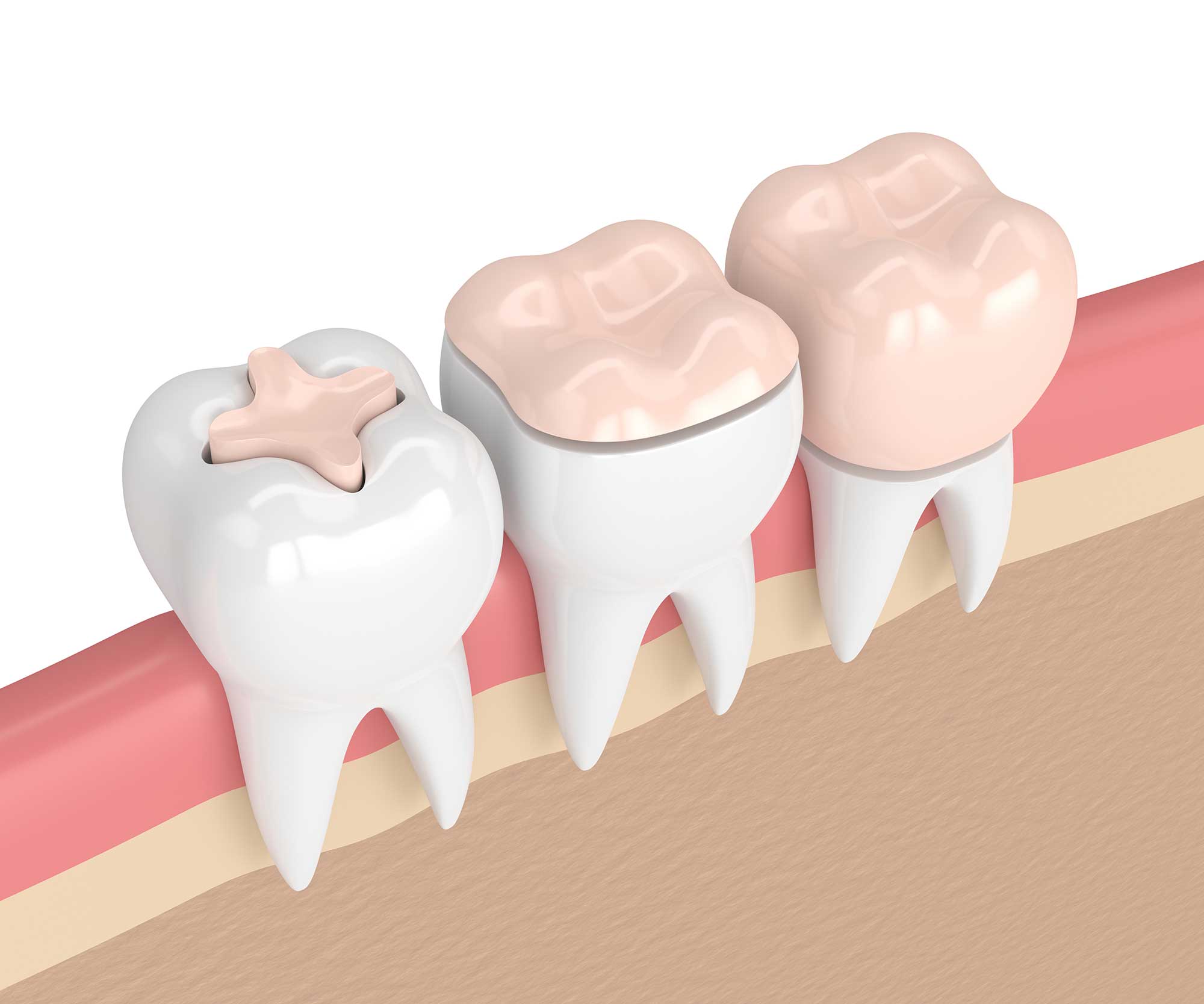
 Illustration of three teeth showing different dental restorations: the first tooth has an inlay, the second tooth has an onlay, and the third tooth is covered with a crown. The image is a cross-section of teeth embedded in gums.

There are many types of dental crowns. Some wear out faster or last longer depending on what they’re made of. What’s right for you will depend on your personal preferences and of course, what your dentist recommends.

Metal Crowns

They last the longest in terms of wear and only require a small amount of enamel removal. They can also withstand biting and chewing forces. However, the metallic color is the main drawback of this type of crown for many people. Metal crowns are a good choice for out-of-sight molars.

Porcelain-Fused-To-Metal (PFM) Crowns

Porcelain-fused-to-metal (PFM) crowns combine the durability of metal and the natural look of porcelain. Despite their strength, the porcelain coating may chip off over time, exposing the metal underneath. In addition, PFM crowns may gradually wear down the enamel on the opposing teeth (the teeth that touch your crown when you close your mouth).

Pressed Ceramic Crowns

Pressed ceramic crowns are known for excellent aesthetics because they mimic the translucency of natural tooth enamel. They are constructed with a hard inner core and can be layered with different types of porcelain for a lifelike appearance. While very durable, the outer layers can be prone to chipping under heavy force over time, similar to other layered porcelain restorations.

All-Ceramic Or Porcelain Crowns

All-ceramic or porcelain crowns mimic tooth enamel more than any other crown type. Within the all-ceramic category, one of the most popular materials is zirconium dioxide (zirconia). It is known for being extremely durable and able to withstand heavy chewing forces, making it a great option for molars. Other types of ceramic may be chosen for their superior translucency and aesthetic qualities, especially for front teeth. They’re also gentle on your opposing teeth, resulting in less enamel wear.

Same-Day Dental Crowns

Today, many dentists use CAD/CAM technology to create crowns in their office while you wait. The dentist takes digital dental impressions of your teeth and uses those impressions to design a custom crown. Next, they’ll send the files to an on-site milling machine to craft your new crown. The advantage is that you get a dental crown in just one office visit. However, same-day crowns don’t work for everyone, so ask your dentist.

All-Resin Crowns

Dental crowns made of resin are less expensive, but they’re fragile and more likely to break. They last three to five years on average. Dentists often use resin to make temporary crowns.

A Crown in Two Visits

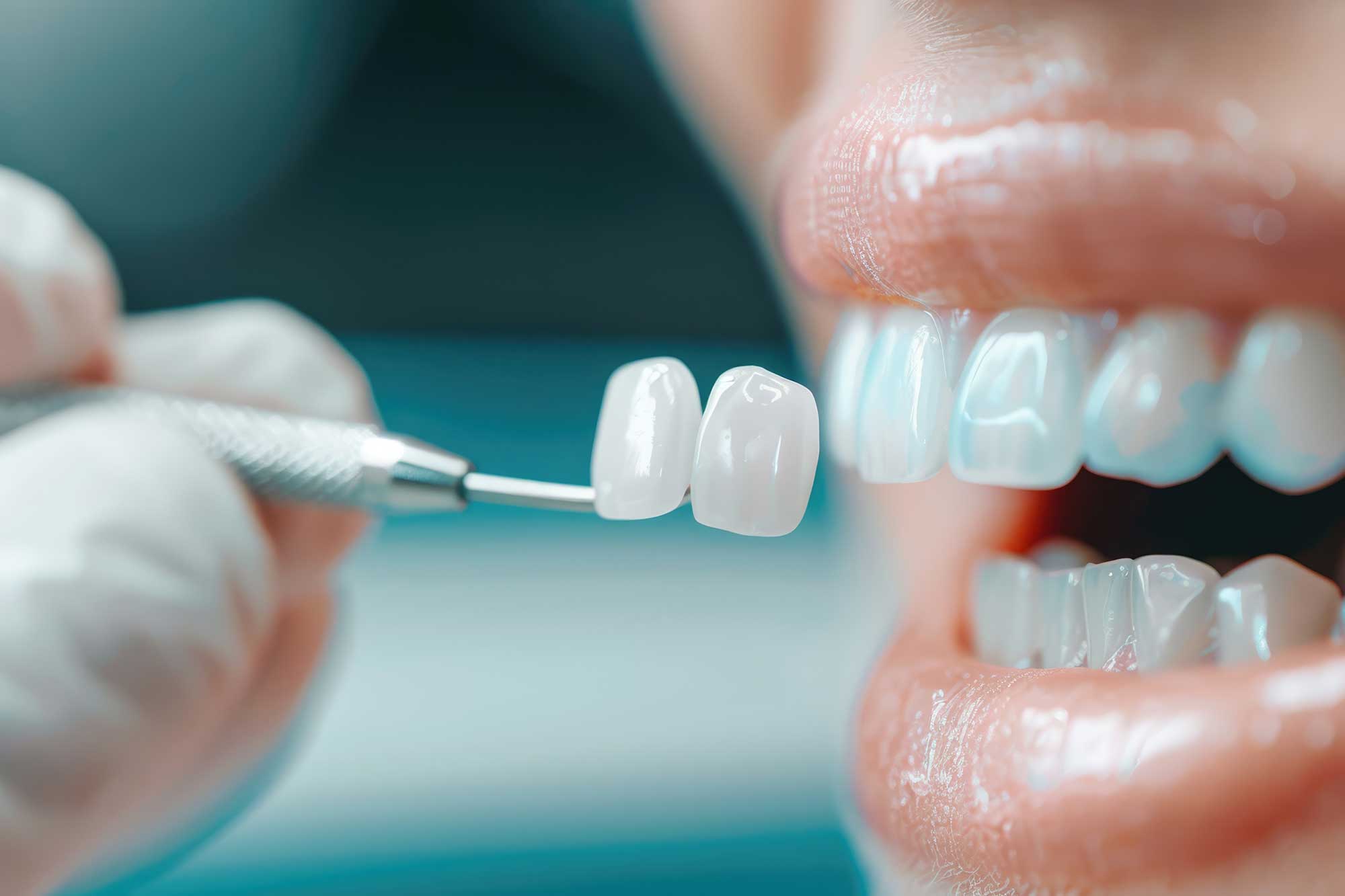
Close-up showing a dental professional about to place a set of crowns to a patient's front teeth

The procedure for getting a dental crown involves preparing a tooth, taking an impression, creating a temporary crown, and then placing a permanent crown to restore the tooth's shape, size, and strength. The process usually includes X-rays, diagnostic casts, and a temporary crown. Dental crown placement usually requires two appointments.

VISIT ONE

This visit is for prepping your tooth and creating the crown. The steps usually include:

  • Preparing your tooth for a crown. Your dentist will need to remove some of your natural tooth structure. This makes space for your new crown and ensures that it will stay in place once bonded.
  • Next, your dentist will take dental impressions of your teeth. Whether they’re physical or digital impressions, your dentist will send them to a lab where a technician will use them to create your custom crown.
  • It usually takes two to three weeks — occasionally longer — for the lab to make your new crown. So your dentist will place a temporary one.

VISIT TWO

The second visit is when you get the crown put in. Here’s what to expect:

  • Your dentist will remove your temporary crown.
  • They will check the shape, color, and fit of your new crown.
  • If everything looks good, they will bond the new crown to your tooth using a strong dental cement.

After those two visits, you should be good to chew. You may have some soreness or tenderness in your gums around the treated tooth, but this is normal and should go away in a few days.

Is a Crown the Only Option?

Not every situation requires a crown. Depending on your oral health needs, there are some alternatives:

  • Inlays and onlays. An inlay or onlay can restore a tooth that’s too damaged for a simple filling but doesn't require the full coverage of a crown. This fits into the affected portion of your tooth like a puzzle piece; an inlay fits within the cusps (bumps) of the tooth, while an onlay is larger and covers one or more of the cusps.
  • Veneers. If you have no decay or damage, and the concern is more cosmetic, then veneers may be the way to go. These custom-made ceramic shells adhere to the front surfaces of your teeth and cover chips, cracks, and tooth discoloration.
  • Tooth extraction and dental implant. If you have a severely decayed or broken tooth, a crown may not work. There might not be enough healthy tooth there to offer a usable, long-lasting outcome. In these cases, your dentist may recommend pulling your tooth and replacing it with an implant.

Dental Crowns Aren’t Forever

The average lifespan of a dental crown is five to 15 years. With a little maintenance and care, dental crowns can last upwards of 30 years. But if it gets cracked or damaged, you might need to replace yours sooner. If you notice wear or damage, it’s time for a replacement.

Dental Procedures: Restorative Measures for a Healthier Smile

Modern dentistry can help correct damage, improve appearance, and keep your oral health in check. Get the most out of any dental procedure with a thorough oral care routine from home.
Your personalized daily oral care routine can help preserve any dental work done and maintain a stronger smile going forward:

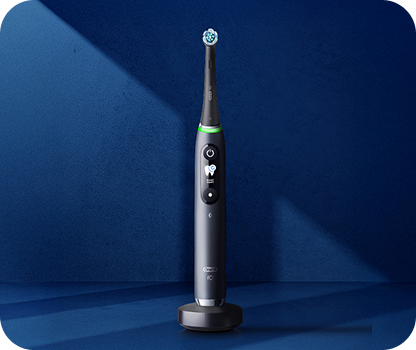
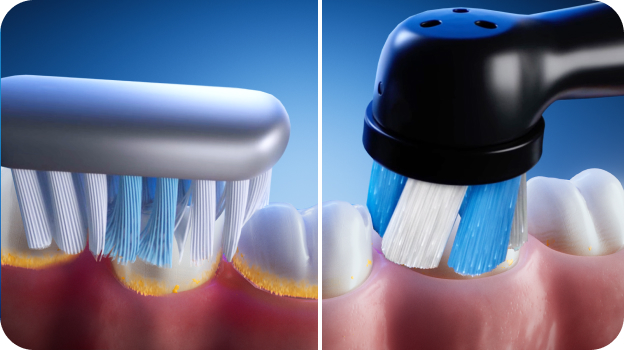
  • Brush 2X/day with an Oral-B iO Electric Toothbrush: Brush 2X/day with an Oral-B iO Electric Toothbrush: To protect the foundation of your new crown, it's essential to keep the gumline clean. When compared to a regular manual toothbrush, an advanced electric toothbrush like the Oral-B iO helps remove 100% more plaque for healthier gums and helps protect the area where the crown meets the tooth.
  • Use a Crest Fluoride Toothpaste: Brush with a toothpaste containing stannous fluoride, such as Crest Pro-Health, to protect the natural tooth structure around your crown.
    Stannous fluoride not only strengthens enamel to fight cavities but is also clinically proven to help prevent and reverse gingivitis, a form of early gum disease.
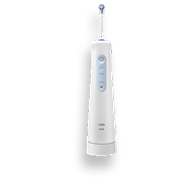
  • Pair String Floss with an Oral-B Water Flosser: Cleaning around dental work such as bridges, crowns, and implants can help reduce plaque bacteria buildup. A water flosser gently washes away leftover plaque and food debris for healthier teeth and gums.
  • Rinse with a Crest Mouthwash: A crown protects the tooth, but the gumline remains a vulnerable area for plaque bacteria. To help protect the gums around your crown and reach areas your brush might miss, swish with an antibacterial mouthwash like Crest Pro-Health Multi-Protection Rinse to help kill plaque bacteria.
  • Brighten Up with an Oral-B + Crest Whitening Bundle: It's important to know that whitening products do not change the color of crowns, veneers, or bonding. However, you can use a whitening system to remove surface stains from your surrounding natural teeth to keep their shade consistent with your crown. A routine including a whitening brush head, a whitening toothpaste like Crest 3D White, and a whitening rinse can help maintain a uniformly bright smile.

By pairing professional dental procedures with a personalized at-home oral care routine of brushing twice daily, flossing at least once a day, and rinsing with an antibacterial mouthwash, you can better support the long-term success of your treatment for a healthier, more confident smile.

Summary

There’s no inherent difference between a tooth cap and a dental crown—just different names for the same thing. “Crown” is the professional term, while “cap” is more colloquial. Regardless, their main purpose is to protect and restore damaged teeth, ensuring they remain strong and functional.

Crowns come in different materials and the procedure typically takes two visits to complete. Understanding the process and benefits of getting a crown can help you feel more comfortable that it’s worth it. So, whether you call it a crown or a cap, just know that it’s a tried-and-true method of keeping your teeth strong, intact, and functional.

FAQs

  • What is better, a cap or crown?
  • How long does a crown last?
  • What is the cost of tooth cap vs crown?

Sources


Adam, R., et al. (2025). A 4-week randomized clinical trial evaluating plaque and gingivitis effects of a new oscillating-rotating electric toothbrush. Journal of the American Dental Association (1939), 156(8), 611–619.e2. https://doi.org/10.1016/j.adaj.2025.04.015

Biesbrock, A., et al. (2019). The effects of bioavailable gluconate chelated stannous fluoride dentifrice on gingival bleeding: Meta-analysis of eighteen randomized controlled trials. Journal of Clinical Periodontology, 46(12), 1205–1216. https://doi.org/10.1111/jcpe.13203

He, T., et al. (2025). Randomized Controlled Trials Assessing Exposure Frequency Effects of Stannous Fluoride on Gingivitis. JDR Clinical and Translational Research, 10(2), 124–134. https://doi.org/10.1177/23800844241263031

Table of Contents

  • Why Would I Need a Crown?
  • What Kinds of Crowns Are There?
  • A Crown in Two Visits
  • Is a Crown the Only Option?
  • Dental Crowns Aren’t Forever
  • Dental Procedures: Restorative Measures for a Healthier Smile
  • Summary

  • FAQs
  • Sources
drlee-image

This blog has been reviewed and approved by Dr Robert Lee, a dental professional of 35 years

LEARN MORE >

Related Products

1222