
Mini Dental Implants: Benefits, Drawbacks, Costs, and Care
Summary
Key Takeaways
- Mini dental implants are smaller, more affordable, and less invasive than traditional implants.
- Mini dental implants work well for patients with smaller teeth, less bone density, or those needing denture stabilization.
- While they are generally effective, mini implants are not suitable for all cases and they may have durability concerns.
- The cost of mini dental implants is lower than traditional implants, typically ranging from $500 to $1,500 per implant.
- Proper care, including regular cleaning and dental check-ups, is crucial for the longevity of mini implants.
Table of Contents

This blog has been reviewed and approved by Dr Robert Lee, a dental professional of 35 years
LEARN MORE >

Key Takeaways
What Are Mini Dental Implants?
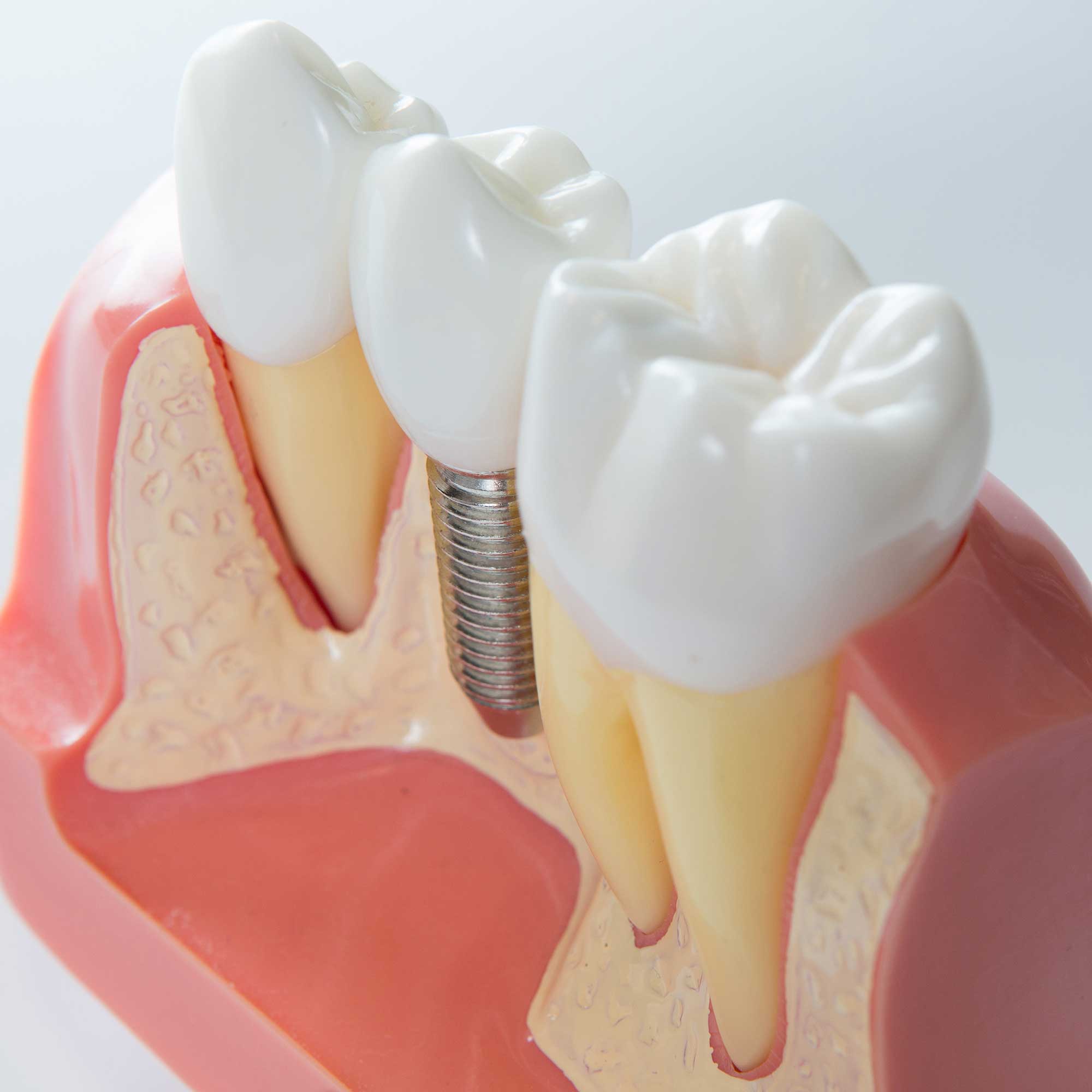
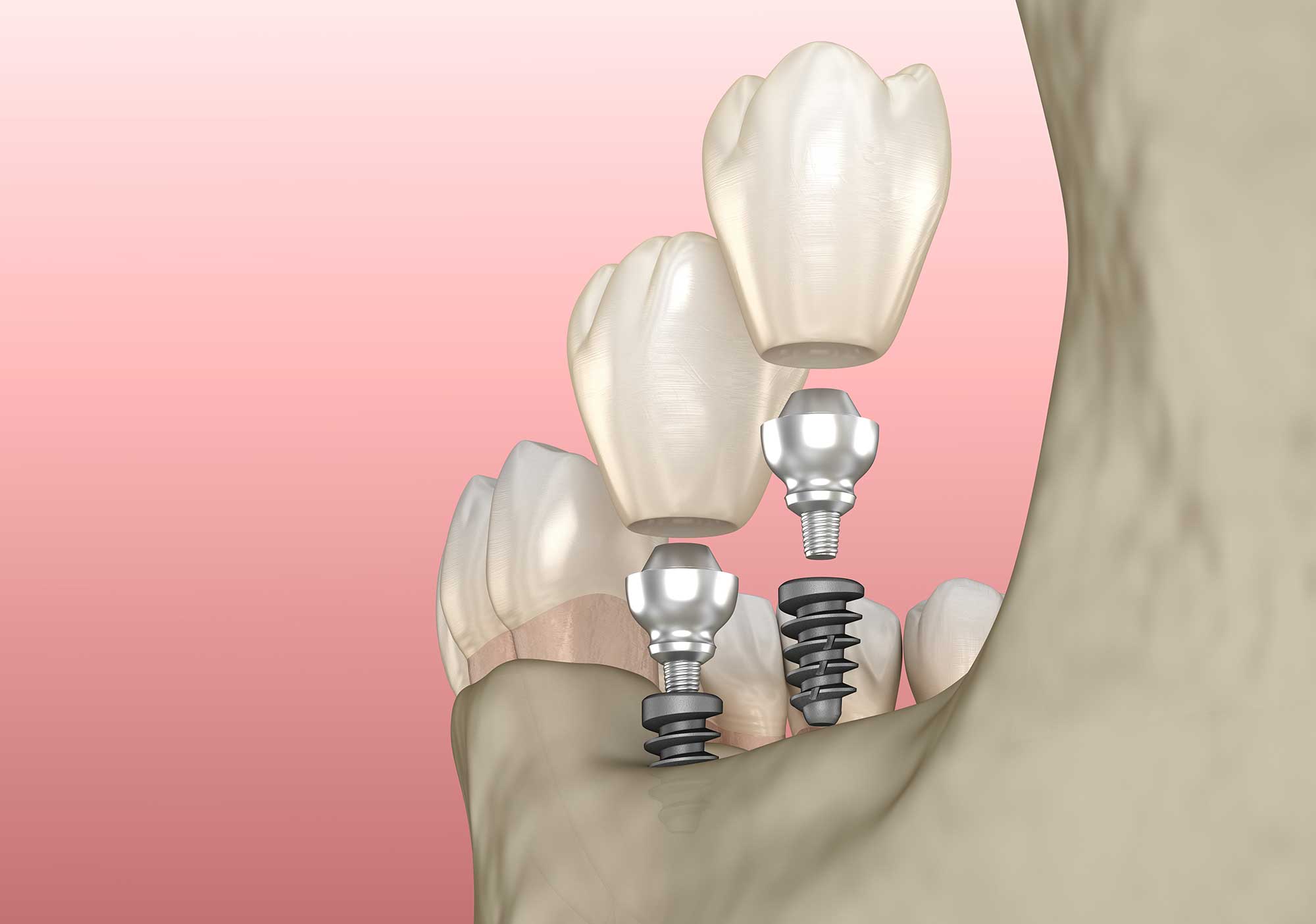
Mini dental implants are essentially a smaller version of traditional dental implants designed to replace missing teeth or secure dentures. They consist of a titanium post, less than 3 millimeters in diameter, that serves as an artificial root for a missing tooth. The post is anchored into the jawbone, and once it integrates with the bone (a process known as osseointegration), a crown, bridge, or denture can be attached.
Unlike traditional implants, which usually require a larger post and more extensive surgery, mini dental implants are narrower, about 1.8 to 3 mm in diameter vs the 3.5 to 6 mm of regular implants.
Due to their smaller size, mini dental implants are often used for patients who may not have enough bone density for regular implants which often eliminates the need for bone grafting procedures. They also are used to replace smaller teeth, such as incisors and premolars.
Benefits of Mini Dental Implants
- Minimally Invasive Procedure
One of the biggest selling points of mini dental implants is that the procedure is less invasive compared to traditional implants. Because the post is smaller, with a diameter often compared to a toothpick, it requires less drilling and less disruption to the surrounding tissue. The placement process is minimally invasive and often requires no incisions or stitches. This means recovery for mini dental implants tends to be quicker and less painful vs that of traditional dental implants. - Faster Treatment Time
Traditional implants require multiple visits and can take several months for the entire process, as the implant needs to integrate with the bone before a crown or bridge can be attached. Mini implants, on the other hand, can often be placed in a single visit and are typically ready for use in a much shorter time frame. - Lower Cost
Mini dental implants tend to be less expensive than traditional implants, costing between $500 and $1,500 per implant. This makes them an attractive option for patients looking for a more budget-friendly alternative. While cost can vary based on the location and specific treatment plan, mini implants generally offer a more affordable solution without compromising too much on quality. - Suitable for Limited Bone Density
For individuals with less bone density, the compact design of mini dental implants can be placed in areas with insufficient bone mass. This eliminates the need for bone grafting procedures and provides a solution where traditional implants might not be suitable. By integrating with the jawbone, the implant helps prevent the bone loss that typically occurs after a tooth is lost, thereby preserving the jawbone's integrity. - Improved Functionality and Appearance
Just like traditional implants, mini dental implants can significantly improve a person's ability to eat, speak, and smile with confidence. They are custom-designed to match the surrounding teeth and create a natural appearance.
Drawbacks of Mini Dental Implants
- Not Suitable for All Cases
While mini dental implants are versatile, they’re not right for everyone. Patients with extensive bone loss or those who require implants to replace larger teeth may not be ideal candidates. Because mini implants are smaller, they may not offer the same stability and support as traditional implants in more complex situations. - Long-Term Durability Concerns
Although mini implants can be effective, some dental professionals have raised concerns about their long-term durability compared to traditional implants. The smaller size means they may be more prone to wear and tear over time, especially if the patient has a history of teeth grinding or other dental issues that put strain on the implant. - Limitations in Design and Placement
Mini dental implants are typically used for replacing smaller teeth or securing dentures in place. For larger teeth or when a full implant is necessary, they may not provide the same functionality or aesthetic results as their traditional counterparts. Those patients may still need to opt for traditional implants. - Potential for More Frequent Maintenance
While mini dental implants generally require less invasive surgery, they can sometimes require more frequent maintenance and check-ups. Since they are smaller, they may be more susceptible to issues such as loosening, and the crowns or dentures attached to them may need adjustments over time.
Costs of Mini Dental Implants
The cost of mini dental implants can vary depending on a range of factors, such as the geographical location of the dentist's office, the experience of the dentist, and the specific treatment plan. On average, mini dental implants cost between $500 and $1,500 per implant, while traditional implants can cost anywhere from $1,500 to $6,000 (or more) per implant, not including the abutment and crown.
We should note that while mini implants tend to be more affordable, the overall cost will also depend on whether additional procedures are required, such as bone grafting or the placement of a crown, bridge, or denture. Patients may also need to account for the cost of follow-up visits and ongoing care.
Dental insurance may cover a portion of the cost of mini implants, though coverage varies from plan to plan. It’s always best to check with your insurance provider ahead of time to understand what’s included in your policy.
Care and Maintenance
Just like traditional dental implants, mini implants require regular cleaning and check-ups to ensure they stay in good condition. Here are some essential tips for maintaining them:
- Maintain Good Oral Hygiene Brushing and flossing regularly is crucial for preventing plaque buildup and ensuring that both your implants and natural teeth remain healthy. Use a soft-bristled toothbrush and fluoride toothpaste, and be gentle around the implant area. A water flosser can also help clean around mini implants, especially if they are supporting dentures or bridges.
- Regular Dental Check-Ups It’s important to visit your dentist or dental hygienist for regular check-ups. They can examine the implant for any signs of movement, infection, or damage. Regular visits also allow for professional cleaning and adjustments if needed.
- Avoid Hard Foods and Habits hile mini implants are durable, they can still be affected by excessive pressure. Avoid chewing on hard foods or using your teeth as tools (like opening bottles or tearing packages). If you grind your teeth at night, ask your dentist about wearing a nightguard.
- Watch for Signs of Problems Pay attention to any discomfort, looseness, or changes in your implant. If you notice any pain, swelling, or difficulty chewing, it’s important to consult your dentist as soon as possible to address any potential issues.
Summary
Mini dental implants can be a great option for many patients. They offer a less invasive, more affordable solution for replacing missing teeth or stabilizing dentures. They come with several benefits, including a quicker recovery time, lower cost, and improved functionality. However, they do have some drawbacks, especially when it comes to long-term durability and suitability for replacing larger teeth.
Before deciding if mini dental implants are right for you, it’s important to consult with a qualified dentist who can assess your specific needs and determine whether mini implants will work for your situation. With the right care and maintenance, mini dental implants can provide lasting results with minimal hassle.
Dental Procedures: Options for a Healthier, More Confident Smile
Modern dentistry can help correct damage, improve appearance, and keep your oral health in check. Get the most out of any dental procedure with a thorough oral care routine from home. Your personalized daily oral care routine can help preserve any dental work done and maintain a stronger smile going forward:
- Brush 2X/day with an Oral-B iO Electric Toothbrush: Brush 2X/day with an Oral-B iO Electric Toothbrush: Keeping the area around your new mini implant free of plaque is critical for its long-term success. Compared to a regular manual toothbrush, an advanced electric toothbrush like the Oral-B iO helps remove up to 100% more plaque for healthier gums and to protect your investment.
- Use a Crest Fluoride Toothpaste: Use a Crest Fluoride Toothpaste: Brush with a toothpaste formulated with stannous fluoride, such as Crest Pro-Health, to reinforce the enamel strength of your surrounding natural teeth. A healthy mouth free of decay and gum disease is essential to support your new implant.
- Pair String Floss with an Oral-B Water Flosser: Cleaning around dental work such as bridges, crowns, and implants can help reduce plaque bacteria buildup. A water flosser gently washes away and leftover plaque and food debris for healthier teeth and gums.
- Rinse with a Crest Mouthwash: To protect your implant from peri-implantitis (a condition similar to gum disease), it's important to control bacteria in your mouth. Rinsing with an antibacterial mouthwash like Crest Pro-Health Gum Care Mouthwash can help kill plaque bacteria in hard-to-reach areas around the implant and gumline.
- Brighten Up with an Oral-B + Crest Whitening Bundle: Maintain a Bright Smile with Crest Whitening Products: It is important to know that dental restorations like implant crowns, bridges, and dentures will not change color with whitening products. If you desire a whiter smile, you should whiten your natural teeth before your final restoration is placed so your dentist can match its shade to your newly brightened teeth. You can then use Crest 3D Whitestrips and Crest 3D White collections to maintain the brightness of your natural teeth and keep your overall smile looking its best.
Pair professional dental procedures with a personalized at-home oral care routine of brushing twice daily, flossing at least once a day, and rinsing with an antibacterial mouthwash, you can better support the long-term success if your treatment for a healthier, more confident smile.
FAQs
-
How much does a full set of mini dental implants cost?
-
How do mini dental implants look?
-
Can you eat with mini dental implants?
Sources
- https://my.clevelandclinic.org/services/dental-implants
- https://www.healthline.com/health/mini-dental-implants
- https://www.perio.org/for-patients/periodontal-treatments-and-procedures/dental-implant-procedures/
- https://www.webmd.com/oral-health/types-dental-implants
- https://www.webmd.com/oral-health/dental-implants
- https://my.clevelandclinic.org/health/treatments/16914-oral-hygiene
- https://www.dentalhealth.org/pages/category/treatments-and-procedures?take=17&Take=17
- https://www.deltadental.com/us/en/protect-my-smile/procedures.html
- https://www.nhs.uk/live-well/healthy-teeth-and-gums/dental-treatments/
Lambert T. J. (2022). A Home Care Regimen With Oral-B iO Toothbrush and Targeted Clean Brush Head to Reduce Peri-Implant Mucositis. Compendium of Continuing Education in Dentistry (Jamesburg, N.J. : 1995), 43(3), f5–fE13.
Grender, J., et al. (2022). A 12-Week Randomized Controlled Trial Comparing a Novel Electric Toothbrush With an Extra Gentle Brush Head to a Manual Toothbrush for Plaque and Gingivitis Reduction. Compendium of Continuing Education in Dentistry (Jamesburg, N.J. : 1995), 43(3), f20–f29.
Klukowska, M., et al. (2025). Clinical effects of stannous fluoride dentifrice on peri-implant mucositis, plaque microbiome, and oxidative stress. American Journal of Dentistry, 38(2), 59–66. https://pubmed.ncbi.nlm.nih.gov/40324037/
Table of Contents
- What are Mini Dental Implants?
- Benefits of Mini Dental Implants
- Drawbacks of Mini Dental Implants
- Costs of Mini Dental Implants
- Care and Maintenance
- Summary
- Dental Procedures: Options for a Healthier, More Confident Smile
-
- FAQs
- Sources

This blog has been reviewed and approved by Dr Robert Lee, a dental professional of 35 years
LEARN MORE >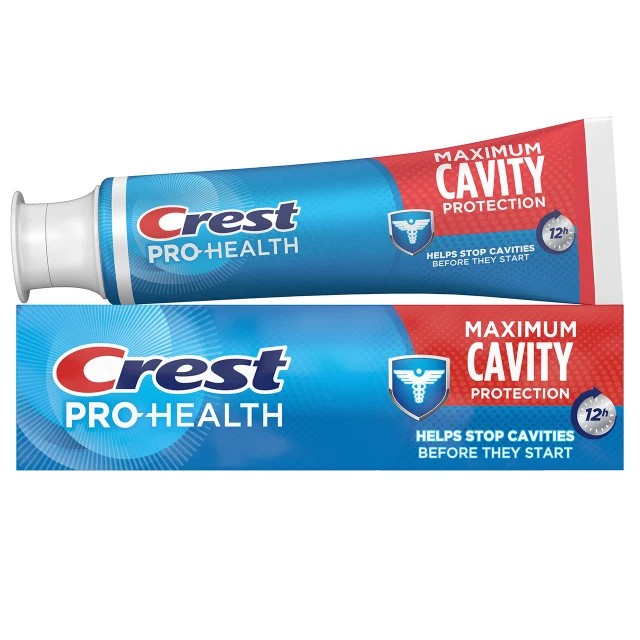

Sign Up
for oral care tips, expert advise, and exclusive offers.
Sign Up
for oral care tips, expert advise, and exclusive offers.