













Why Is My Gum Swollen Around One Tooth? Causes and Treatments

Why Is My Gum Swollen Around One Tooth? Causes and Treatments
Last Updated : February 10 2026

Summary

If your gums are swollen around one tooth, you're probably wondering why. Is there an underlying condition causing the swelling?

In this article, we'll discuss what causes swollen gums, how to treat gum swelling, and when you should see a dentist. We'll offer tips to help prevent gum inflammation in the future.

Key Takeaways

  • Takeaway #1: If your gums are swollen around one tooth, there are many possible causes, including poor oral hygiene, gum disease, injury, a dental abscess, or a recent extraction.
  • Takeaway #2: The way you treat swollen gums will depend on why they're swollen. At-home treatments include rinsing with salt water or mouthwash, taking a pain reliever, and improving your oral hygiene.
  • Takeaway #3: In-office treatments for swollen gums may include a deep cleaning, tooth extraction, root canal, incision and drainage, and flushing and medicating. Your dentist may also prescribe antibiotics.
  • Takeaway #4: Prevent gum inflammation by practicing good oral hygiene, eating healthy foods, avoiding sugar, visiting your dentist regularly, and not smoking.
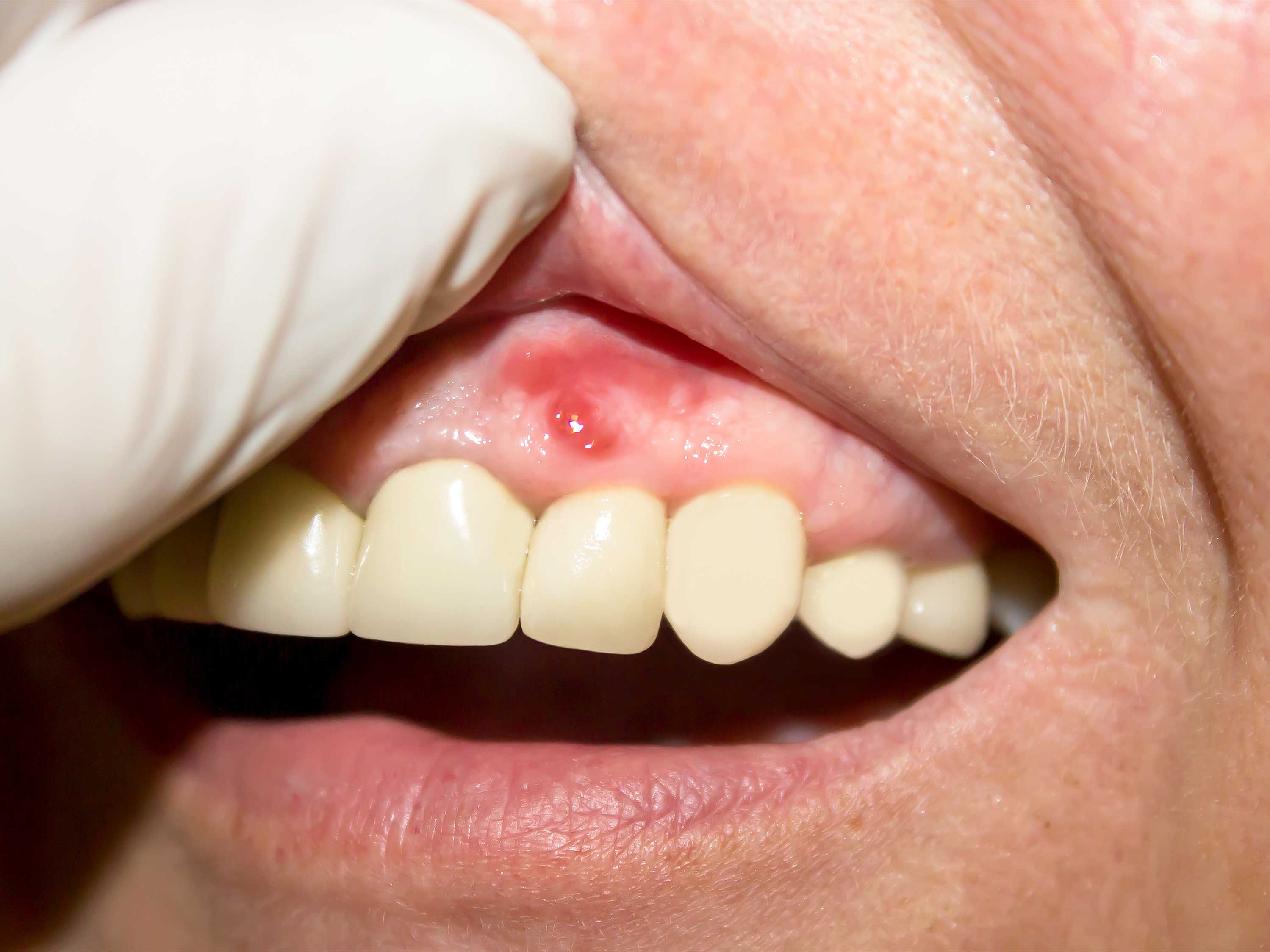
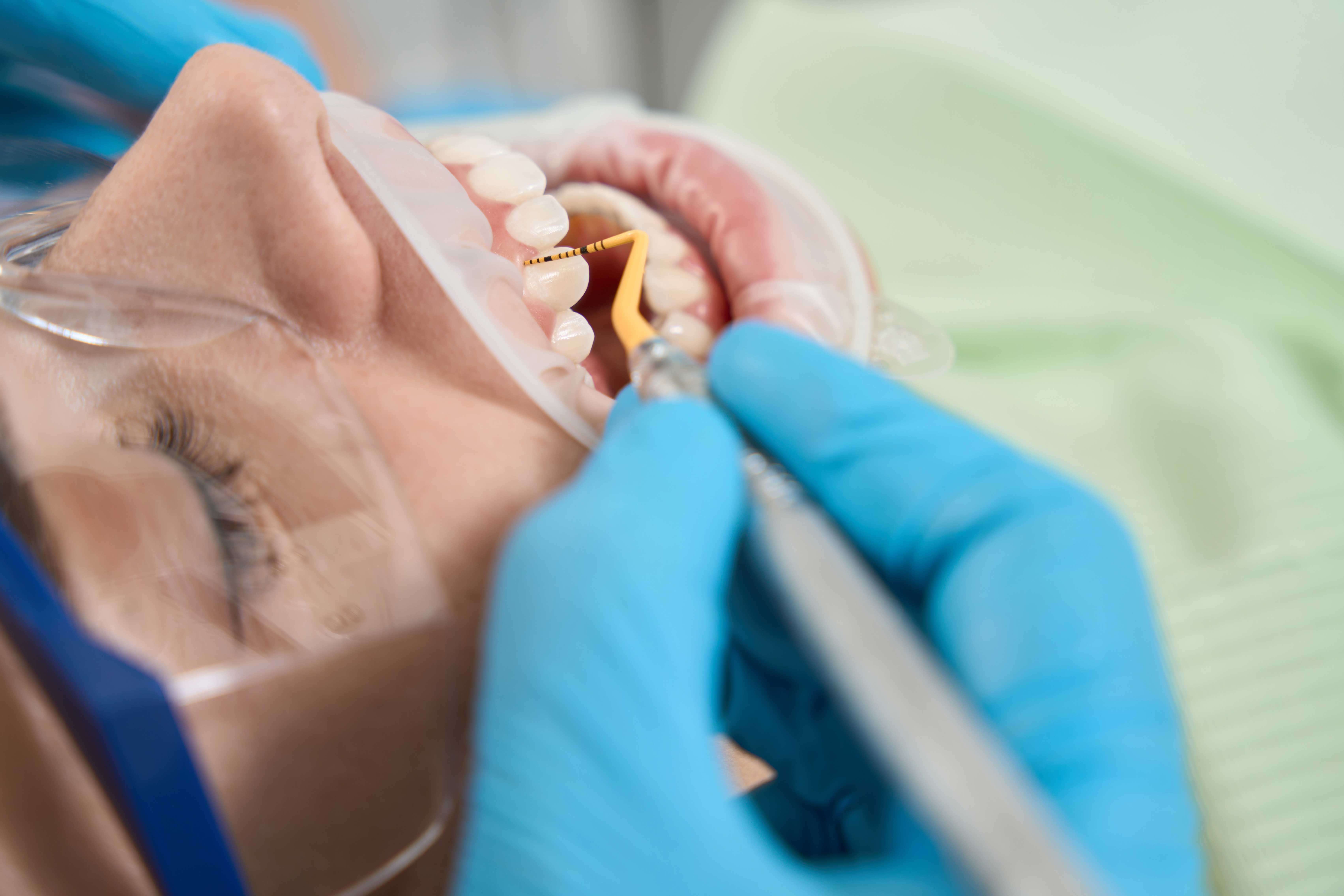
Table of Contents

Key Takeaways

What Are Swollen Gums?

Your gums are the soft, protective tissue that covers the bones of your jaw and surrounds the base of your teeth. Healthy gums are pink, firm, and don't bleed easily. When your gums are unhealthy, you may notice that they become swollen and bleed when you brush or floss your teeth.

In addition to swelling, unhealthy gums may present with a spongy texture, appear red rather than the typical pink hue, and demonstrate loss of attachment to the teeth, indicating potential periodontal disease.

It's important to take swollen gums seriously because they could be a sign of a condition that leads to tooth loss, gum disease, and other, more serious health concerns.

Causes of Swollen Gums Around One Tooth

swollen-spot-on-gums-above-one-tooth.jpg

There are several possible reasons that you may have swollen gums around a single tooth. Let's take a look.

    1) Poor Dental Hygiene

    First of all, you may experience localized swelling because you're not brushing or flossing effectively in that area. Over time, plaque can build up on your gum line and cause irritation, which can lead to swelling.

    Additionally, when plaque builds up on your teeth, the bacteria in it can interact with sugars from food to create acids that cause cavities and tooth decay. It can also produce toxins that irritate your gums, leading to gum disease.

    That's why it's important to brush every surface of every tooth at least twice a day. Effective oral hygiene is essential not just for a healthy mouth but also for your overall health as poor oral health has been associated with other health issues, such as heart disease and diabetes.

    2) Food Particles Stuck Around the Tooth

    Another possible reason for your localized gum inflammation is that a food particle may be stuck between your teeth, irritating your gums. Food particles lodged between a tooth and the gum line can cause direct irritation and create a breeding ground for bacteria, leading to a localized inflammatory response (swelling).

    This type of irritation may trigger your body to increase blood flow to a specific area. In this case, you may notice swelling around just one tooth.

    3) Gum Disease

    Gum disease may cause swollen gums. Gum disease, an infection of the tissues supporting your teeth, triggers an immune response. Your body sends inflammatory cells to fight the bacterial infection, resulting in redness and swelling.

    4) Injury

    Sometimes, swollen gums are a sign of injury. For example, if you are accidentally hit in the mouth, you may notice inflammation caused by broken blood vessels or a buildup of fluid in that part of the gums

    5) Dental Abscess

    Your gums may be inflamed due to a dental abscess, which is a pocket of pus caused by a bacterial infection. This can occur in the gum tissue itself (a periodontal abscess) or at the root of a tooth (a periapical abscess) due to severe decay or injury.

    If left untreated, a dental abscess can cause increased blood flow (swelling) to the area because your body is trying to fight the infection.

    6) Recent Extraction

    If you've had a tooth pulled recently, swelling could be a sign of infection or dry socket.

    After a tooth extraction, usually a blood clot forms at the site where a tooth was removed. This blood clot is a protective layer over the underlying bone and nerve endings in the empty tooth socket.

    The blood clot contains cells that are needed for proper healing. If the clot does not form, is disturbed, or dissolves too quickly, infection could set in, causing swelling and irritation.

At-Home Treatment Options for Swollen Gums

If your gums are swollen, you'll likely want to address the issue at home. However, keep in mind that while you may be able to achieve temporary relief on your own, it's essential to seek professional treatment.

While you're waiting to see a dentist, here are some treatments to try:

    ● Salt Water Rinse: Rinsing with salt water can help reduce inflammation and help with healing.

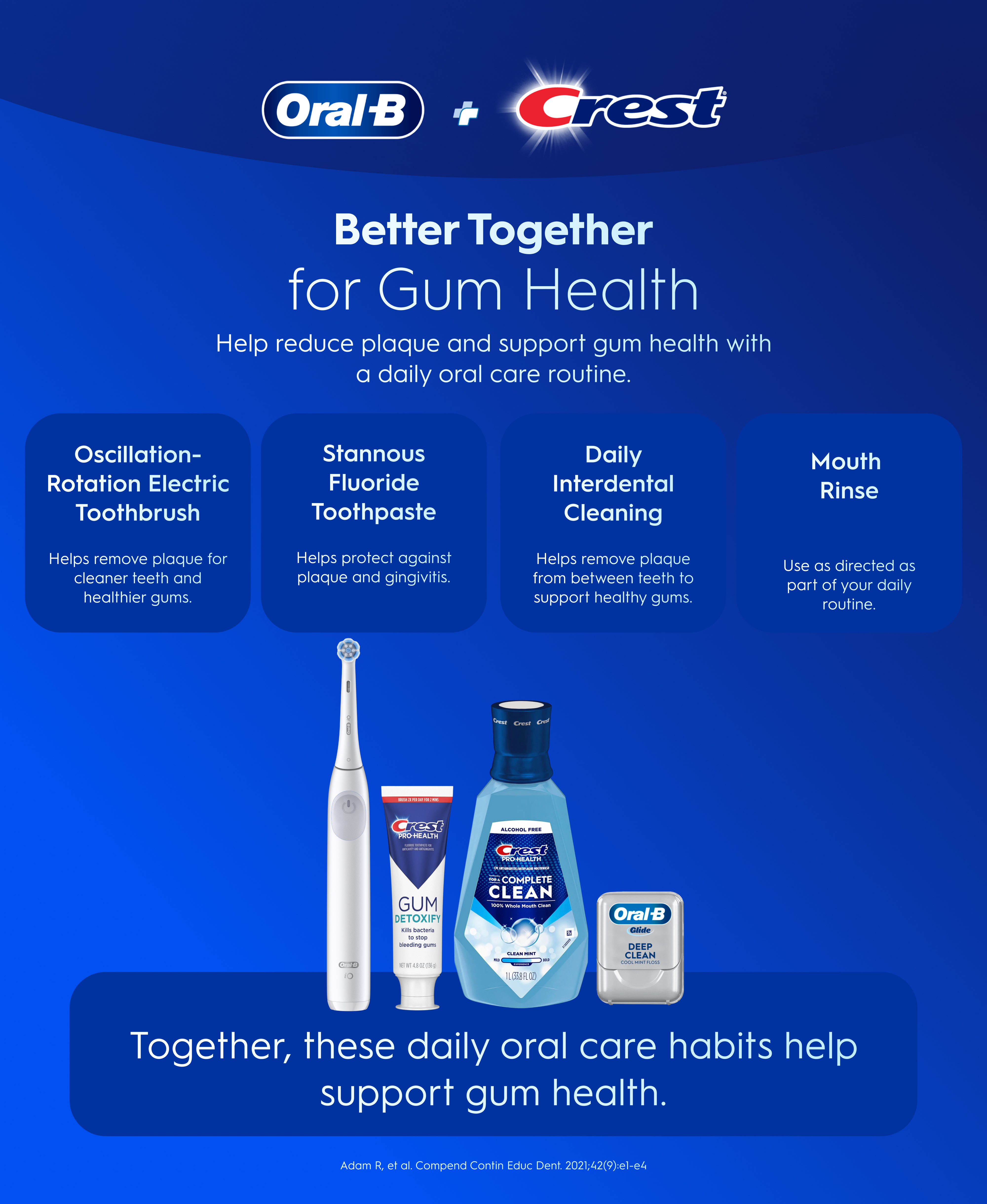
    ● Antiseptic Mouthwash: An antiseptic mouthwash, like Crest Pro-Health Multi-Protection Mouthwash, can reduce plaque bacteria to help prevent plaque buildup and promote gum healing.

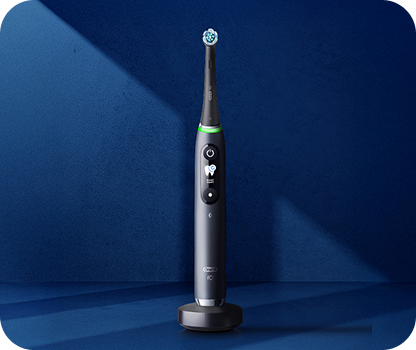
    ● Good Dental Hygiene: Make sure you brush at least twice a day and floss once a day. For effective brushing, use a toothpaste with stannous fluoride, such as Crest Gum Detoxify Toothpaste, and an electric toothbrush with a round brush head, like those in the Oral-B iO Series.

Professional Treatments for Swollen Gums Around One Tooth

professional-treatments-for -swollen-gums-around-one-tooth.jpg

Although mild inflammation can be treated at home, reach out to your dentist if the swelling doesn't go away after a week or if you have any additional symptoms, such as pain or a fever. Here are professional treatments your dentist may suggest:

    ● Deep Cleaning: A deep cleaning, consisting of scaling and root planing, will help if the swelling is from plaque buildup.

    ● Antibiotics: If your tooth is abscessed, your dentist may prescribe an antibiotic.

    ● Incision and Drainage: For an abscessed tooth, your dentist will make an incision and drain the site, then clean and disinfect the infected area.

    ● Root Canal: A root canal may be a treatment option if the swelling is from bacteria in the tooth root.

    ● Tooth Extraction:If the swelling is from an infected tooth that cannot be saved, your dentist may have to extract it.

    ● Flushing the Socket and Medicating:If you've recently had a tooth extraction and your dentist thinks the inflammation is due to dry socket, they'll flush out the socket, treat it with a medicated gel, and prescribe pain medication.

Tips to Prevent Gum Inflammation

With the above causes and symptoms in mind, here are some of our top tips to prevent swollen gums in the first place.

    1) Keep Up Your Oral Hygiene

    Most importantly, maintain your oral hygiene.

    Use Stannous Fluoride Toothpaste

    Select a toothbrush with soft bristles. While you can use either a manual or electric, many dentists recommend electric toothbrushes for their ease of use and effectiveness. Those with small, round heads help you reach and clean all areas of your mouth.

    As for toothpaste, select one with an active ingredient that promotes gum health such as stannous fluoride.

    Brush Twice a Day for Two Minutes Each Time

    Brush your teeth as recommended, at least two times a day — once in the morning and once in the evening. You may want to brush midday as well, at least for a while until you've resolved any underlying dental issues.

    From start to finish, brushing your teeth should take two minutes as recommended.

    Use the Correct Brushing Technique

    Be sure you're brushing correctly. Angle your toothbrush 45 degrees to the gum line and, starting in the back of your mouth, brush each tooth in a short, back-and-forth motion. Clean every surface of every tooth: the front, back, and chewing surfaces.

    You'll also want to brush your tongue to remove plaque and bacteria.

    Floss Daily

    man-flossing-his-teeth.jpg

    Also, floss once a day to remove any food particles or plaque stuck between your teeth. Don't skip this step in your oral hygiene routine! Flossing can help clean your teeth better than brushing alone.

    Rinse with An Antibacterial Mouthwash

    Rinsing with an antibacterial mouthwash daily can help reduce plaque bacteria along the gum line, preventing swelling, plaque buildup, and bad breath.

    2) Visit Your Dentist Every Six Months

    Even if you take great care of your teeth at home, it's important to get a professional cleaning regularly. Make a dental appointment twice a year, so your dentist can clean and check your teeth and gums.

    3) Eat a Tooth-Healthy Diet

    Vegetables like broccoli, carrots, and celery will help remove plaque, and diets rich in calcium and phosphorus will strengthen tooth enamel and protect against decay. These foods include milk, cheese, yogurt, beans, almonds, leafy greens, and fish.

    4) Avoid Sugar

    Steer clear of sugary foods and beverages, as sugar feeds bacteria in your mouth and can lead to tooth decay.

    5) Don't Smoke

    Quit smoking. Tobacco weakens your immune system making it harder to fight off gum infections and therefore more susceptible to gum disease, oral cancers, and many other types of cancer.

Healthy Gums and Teeth with Oral-B

healthy-gums-and-teeth-with-oral-b.jpg

There are several possible answers as to why your gum is swollen around one tooth. It might be due to oral hygiene, or it could be a sign of a more serious underlying problem, like a tooth abscess. Whatever the cause, at-home and professional treatments can help.

If you want your teeth to truly shine, keeping them clean is key. The Oral-B iO Electric Toothbrush Series removes up to 100% more plaque along the gumline than a regular manual toothbrush and features Smart Pressure Sensors to help protect your gums from over-brushing.

Pairing an advanced Oral-B iO toothbrush with a specialized Crest Gum Health toothpaste gives you a powerful combination to help maintain healthy teeth and gums.

FAQs

  • Should I stop brushing if my gums are swollen?
  • Can hormones cause gum swelling?
  • Why do my gums swell overnight?

Sources

Table of Contents

  • What Are Swollen Gums?
  • Causes of Swollen Gums Around One Tooth
  • At-Home Treatment Options for Swollen Gums
  • Professional Treatments for Swollen Gums Around One Tooth
  • Tips to Prevent Gum Inflammation

  • FAQs
  • Sources

Related Products

1313|689

Related Articles