Mouth Guard: Types, Benefits, and How to Choose the Right One

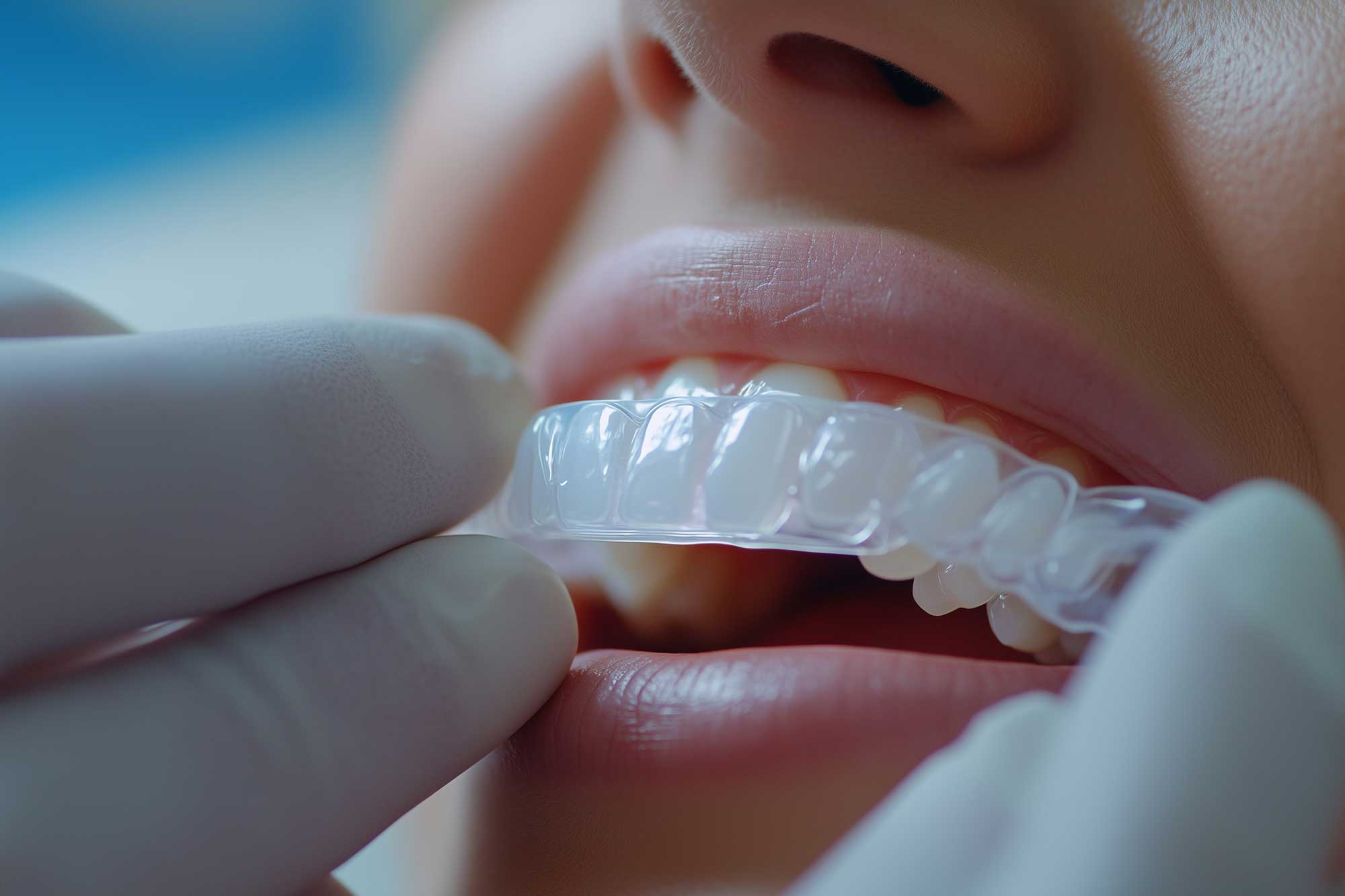
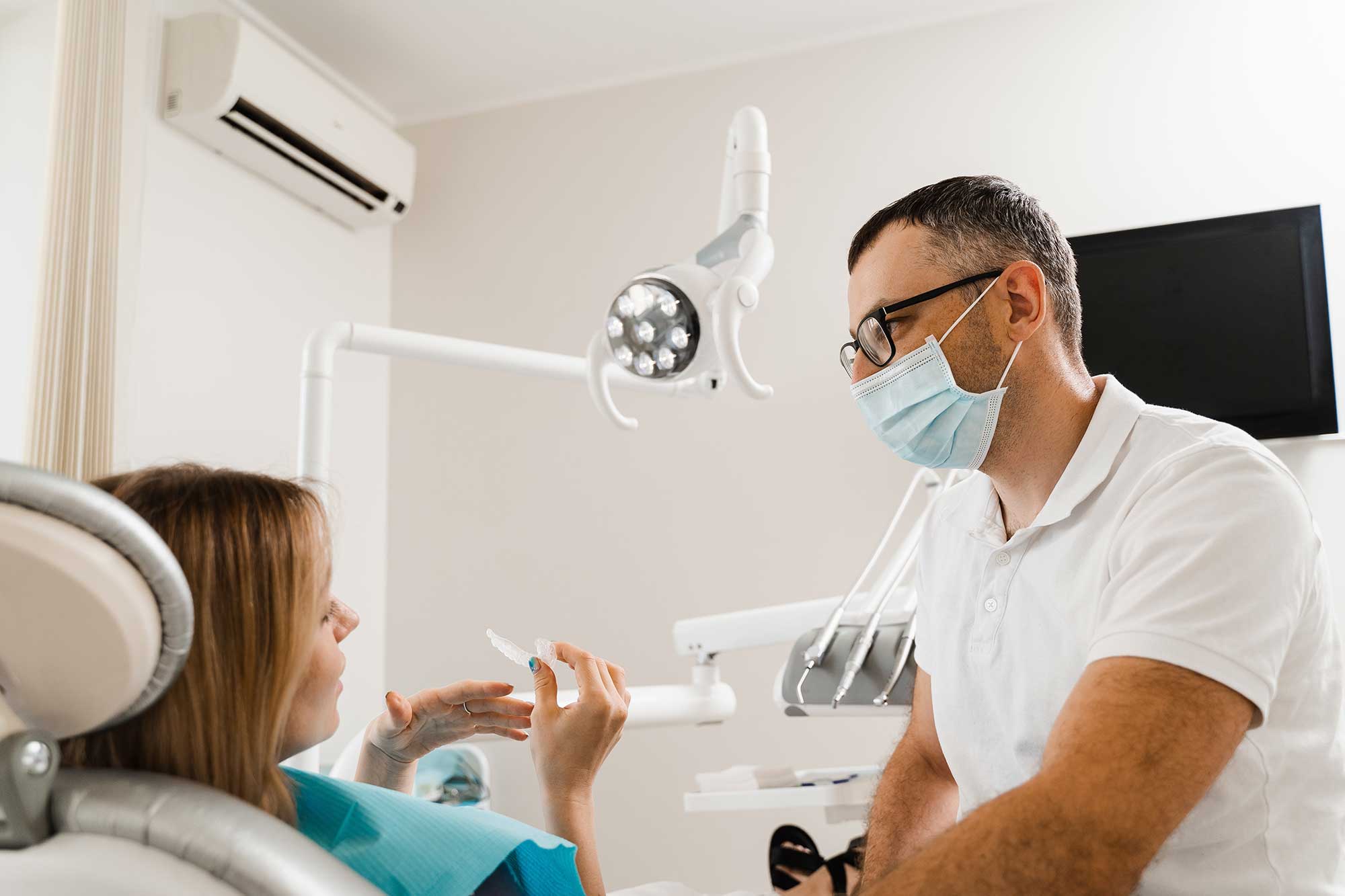
Patient getting a mouthguard applied by a dental professional
Last Updated : December 18, 2025

Summary

Mouth guards aren’t just bulky sports accessories worn by athletes. They’re actually quite versatile tools that can protect your teeth in a variety of ways: during contact sports, help if you grind your teeth during sleep, help with jaw pain, and even lessen snoring and mild sleep apnea. There’s a lot to consider when choosing the best mouth guard for your needs, so let’s break down what they are, what they do, what they cost, and how to take care of them to help you make the best decision.

Key Takeaways

  • Three types of guards: Stock (budget), Boil-and-Bite (gives a decent fit), and Custom (top-tier fit and comfort).
  • Choose the type based on need: sports, teeth grinding, or sleep issues.
  • Comfort matters, because a better fit means you’ll actually use it.
  • Price varies, and the custom-made ones are more expensive, but they may be covered by insurance especially if deemed medically necessary.
  • Maintenance is essential so clean them daily, avoid heat, store properly and replace as needed based on wear and damage.

Table of Contents

drlee-image

This blog has been reviewed and approved by Dr Robert Lee, a dental professional of 35 years

LEARN MORE >

Key Takeaways

Why Wear a Mouth Guard

There are several important reasons why you might want to use a mouth guard, and they fall into three main areas.

Protects Your Smile While Playing Sports

  • A mouth guard can stop you from chipping or losing teeth during contact sports or high-impact activities, including football, biking, and hockey.
  • It prevents soft-tissue injury, such as bites on the cheek or tongue, and cushions lips, tongue, and cheeks.
  • Reduces the risk of oral-facial injuries, such as knocked-out teeth, and may help reduce the force of impacts linked to some types of concussions.

Guards Against Teeth Grinding

  • Nighttime grinding and clenching (bruxism) can chip away your tooth enamel and lead to jaw pain, headaches, gum recession, and worn-down teeth.
  • A mouth guard keeps your teeth apart and eases pressure on jaws.

Help alleviate Sleep Issues such as snoring, mild sleep apnea, or TMJ discomfort

  • Some mouth guards help reposition your jaw or airway during sleep to help ease symptoms.

Types of General Mouth Guards

Mouth guards generally fall into three categories:

Stock Mouth Guards

You can buy these ready-made, although these are often “One size fits some”. The advantage is that they’re cheap and convenient. On the other hand, they tend to feel bulky and may not stay in place. Also, breathing and talking while wearing one can feel awkward.

Boil-and-Bite Mouth Guards

This is considered a Do-It-Yourself mouth guard. You soften them in hot water (as per the manufacturer's instructions), then bite down to mold a better fit.

It offers middle-of-the-road bite protection and is reasonably priced.

Custom-Fit Mouth Guards

Made by your dentist or in a lab, these are created precisely from a dental impression or digital scan and molded directly from your teeth for precise fit, maximum comfort and protection. It’s the most expensive choice upfront and requires a dental visit, but it offers superior protection, comfort, and durability, often making it more cost-effective over the long term.

Specialty Mouth Guards

Night guards are specialized mouth guards to address grinding or TMJ:

Soft Night Guards

Comfortable and pliable, these are ideal for mild, occasional teeth grinders.

Hard (Rigid) Night Guards

Made of firm acrylic, they’re best for heavy teeth grinders or TMJ sufferers, but do take some getting used to.

Dual-Laminate Night Guards

Soft inside for comfort and hard outside for protection; they’re a great all-around guard.

There are also specialty styles of Mouth Guards:

Adjustable Night Guards

You can adjust the fit slightly for comfort.

Orthodontic Mouth Guards

Designed to fit over braces or aligners, these ensure protection and compatibility.

Sleep Apnea/Snoring Guards

These guards, known as Mandibular Advancement Devices (MADs), reposition the jaw to improve airway flow. They are often prescribed for snoring and mild to moderate obstructive sleep apnea, and their use, especially as an alternative to CPAP, should be determined by a medical or dental professional after a proper diagnosis.

Benefits of Wearing

    Sports Protection

    • Prevents chipped and knocked-out teeth
    • Prevents soft-tissue injuries
    • Reduces jaw injury risk

    Bruxism Support

    • Shields teeth from grinding wear
    • Eases jaw pain and headaches

    Jaw and TMJ Relief

    • Keeps your jaw relaxed
    • Helps dull joint pain

    Snoring / Mild Sleep Apnea

    • Opens airway
    • Reduces snoring
    • Improves sleep quality

Choosing the Right One

Woman in a dentist’s chair getting a consultation on mouthguards

    Decide Why You Need a Mouth Guard

    • For sports, consider a boil-and-bite or a custom-fitted guard
    • For teeth grinding or TMJ, choose soft for mild cases, dual laminate for moderate cases, and hard for severe. Either way, a custom guard gives the best fit.
    • For snoring or sleep apnea, a proper diagnosis from a healthcare provider is the essential first step. If a dental appliance is recommended, a custom-fit one is the most effective and safest option.

    Prioritize Comfort and Fit

    • The better the guard fits, the more likely you are to wear it consistently
    • Soft is cozier, but wears out faster
    • Hard is long-lasting but takes getting used to
    • Dual is comfortable inside and tough outside

    Match the Protection to the Activity

    • For serious athletes and people who wear braces, custom-made guards are best
    • For casual bike riders and occasional gym-goers, the boil-and-bite models are fine

    Consider Your Budget

    • Stock mouth guards cost less than $10
    • Boil-and-Bite costs $20-50
    • Custom guards run $150-$500, but if deemed medically necessary, insurance may partially or fully cover the cost, so check your policy.

    Think Maintenance and Lifespan

    • You should replace the guard after each sports season or whenever it shows wear
    • Kids may need new ones more often

    Consult with Your Dentist if...

    • You have braces, implants, or other dental work
    • You suspect you have sleep apnea or TMJ issues
    • You grind your teeth heavily
    • You have significant dental damage

Caring for Your Mouth Guard

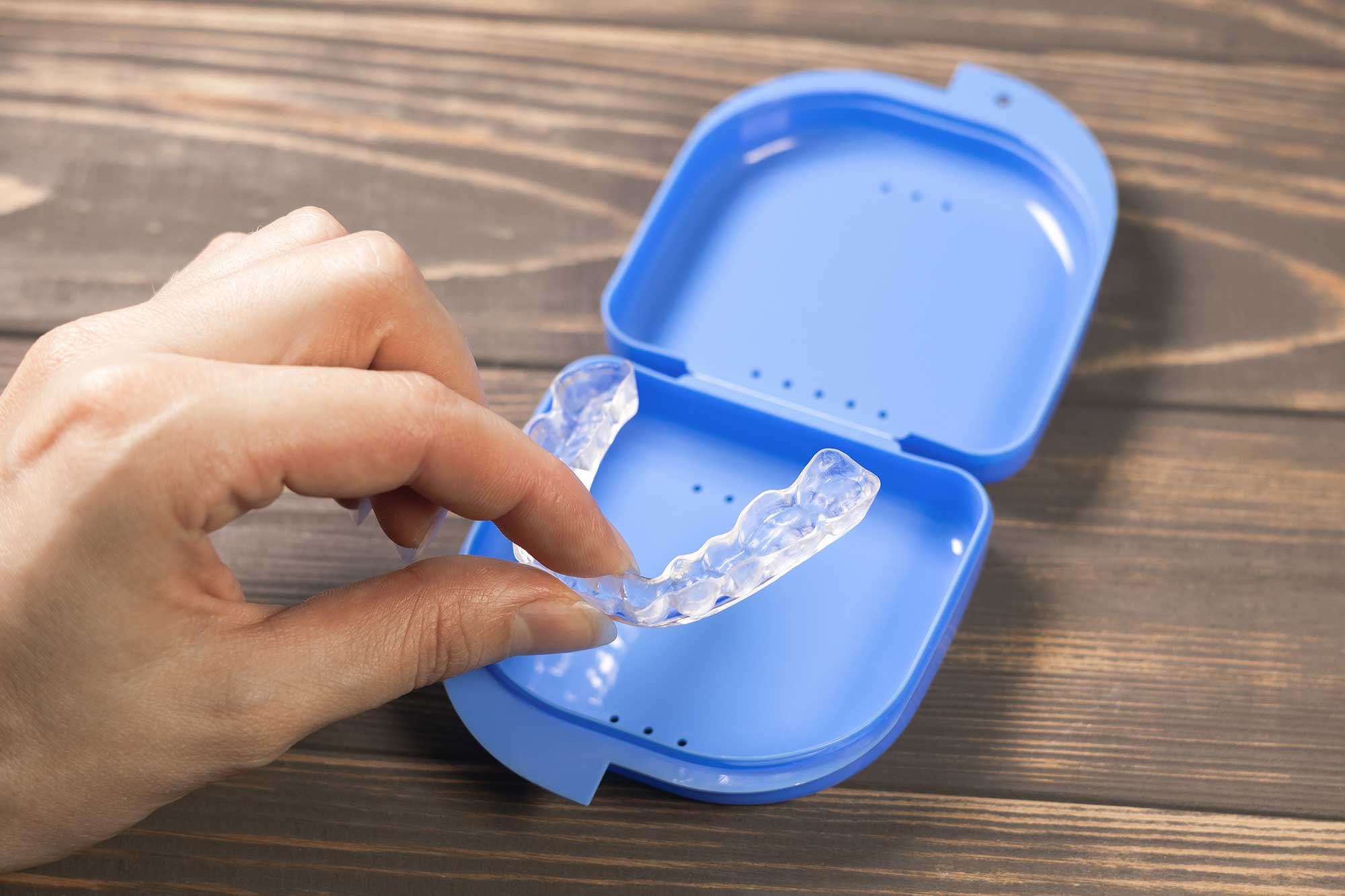
Person placing a mouthguard in its case

  1. Clean it properly
    Rinse after use and brush gently with cool water and mild soap
  2. Avoid heat, avoid warping
    Never use hot water and keep it out of sunlight
  3. Replace when needed
    Custom guards can last a few years, while over-the-counter guards typically need replacing several times a year. Teens and children may need to replace their mouth guards more often because their mouths are still growing and changing
  4. Bring your mouth guard to each dental check up
    They can inspect the fit, make adjustments, and check for wear
  5. Don’t use one for multiple needs
    Guards are specialized, sports guards aren’t for grinding, and grinding guards aren’t for sports

Summary

A mouth guard is more than just a mouth accessory. It’s a simple but effective tool that protects your teeth, soft tissues, and jaw during sports, at night, or while you sleep. With three main types—stock, boil-and-bite, and custom-made—you can find the right balance of comfort, protection, and cost. Stock guards are budget-friendly but basic, boil-and-bites offer a better fit with some effort, and custom guards deliver the best performance and comfort, especially for athletes, teeth grinders, or brace wearers.

Regular use is key, so you should choose a guard that feels good and fits well, so that you’ll actually wear it. Clean it daily, store it properly, and replace it after every season or when it shows wear. Talk to your dentist about your needs and insurance options, so you get the best mouth guard for you.

Oral Health Issues and How to Prevent Them

Common oral health issues can include cavities and tooth decay, gum disease, staining and sensitivity. The main culprit of which is often plaque buildup—a sticky film of bacteria that forms on teeth. If not treated, these conditions can lead to tooth loss and may even affect your overall health.

By following a complete oral care routine, you can help nip these issues in the bud, for a stronger, healthier smile:

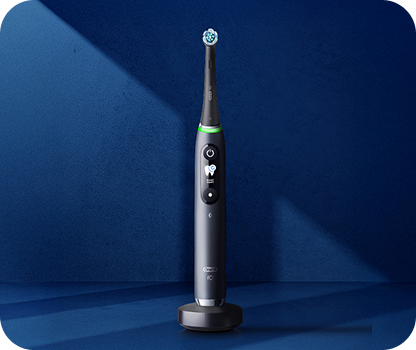
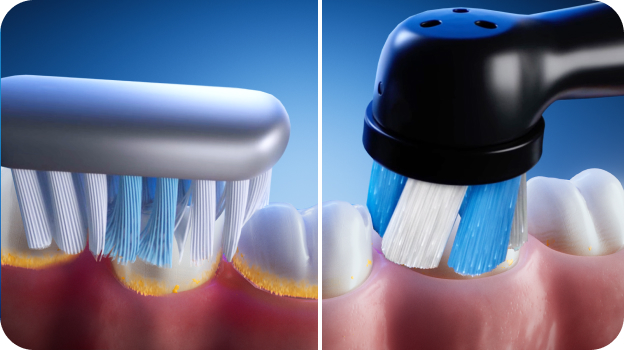
  • Brush 2X/day with an Oral-B iO Electric Toothbrush: An electric toothbrush, like an Oral-B iO, helps remove up to 100% more plaque than a regular manual toothbrush. The dentist-inspired round brush head surrounds each tooth as it adapts to the curves of teeth and gums to ensure a cleaner, healthier smile—even in hard-to-reach areas.
  • Protect Your Smile with Crest Pro-Health Toothpaste: Make sure to brush twice a day with stannous fluoride toothpaste. Not only does it help fight cavities and tooth decay, a Crest toothpaste formulated with stannous fluoride like Crest Pro-Health also keeps enamel strong, fights sensitivity, and offers lasting protection from plaque buildup when used to brush twice a day.
  • Rinse with Crest Pro-Health Mouthwash: Swish with an antibacterial mouthwash to rinse away leftover plaque, support gum health and leave your mouth feeling clean and fresh.
  • Pair String Floss with an Oral-B Water Flosser: Flossing once daily helps dislodge plaque and debris from between teeth. Adding a water flosser to your routine can help remove any leftover food particles and plaque buildup for an added layer of protection.

By following a thorough oral care routine at home and visiting your dental professional at least twice a year, you can reduce the risk of developing tooth decay, gum disease, and protect your smile for years to come.

FAQs

  • How to disinfect a mouth guard?
  • Can a mouth guard shift your teeth?
  • Can a mouth straighten teeth?
  • How are custom mouth guards made?

Sources


Biesbrock, A. R., et al. (2025). Randomized clinical trial evaluating kinetic benefits of desensitizing agents: Magnitude, onset, and stability of relief. Journal of periodontology, 10.1002/JPER.24-0688. Advance online publication. https://doi.org/10.1002/JPER.24-0688

Grender, J., et al. (2020). An 8-week randomized controlled trial comparing the effect of a novel oscillating-rotating toothbrush versus a manual toothbrush on plaque and gingivitis. International Dental Journal, 70, S7–S15. https://doi.org/10.1111/idj.12571

He, T., et al. (2022). Novel findings on anti-plaque effects of stannous fluoride. American Journal of Dentistry, 35(6), 297–307. https://pubmed.ncbi.nlm.nih.gov/36508185/

Table of Contents

  • Why Wear a Mouth Guard
  • Types of General Mouth Guards
  • Specialty Mouth Guards
  • Benefits of Wearing
  • Choosing the Right One
  • Caring for Your Mouth Guard
  • Summary
  • Oral Health Issues and How to Prevent Them

  • FAQs
  • Sources
drlee-image

This blog has been reviewed and approved by Dr Robert Lee, a dental professional of 35 years

LEARN MORE >

Related Products

1311