Dental Fillings: What Are They, Types, and Costs

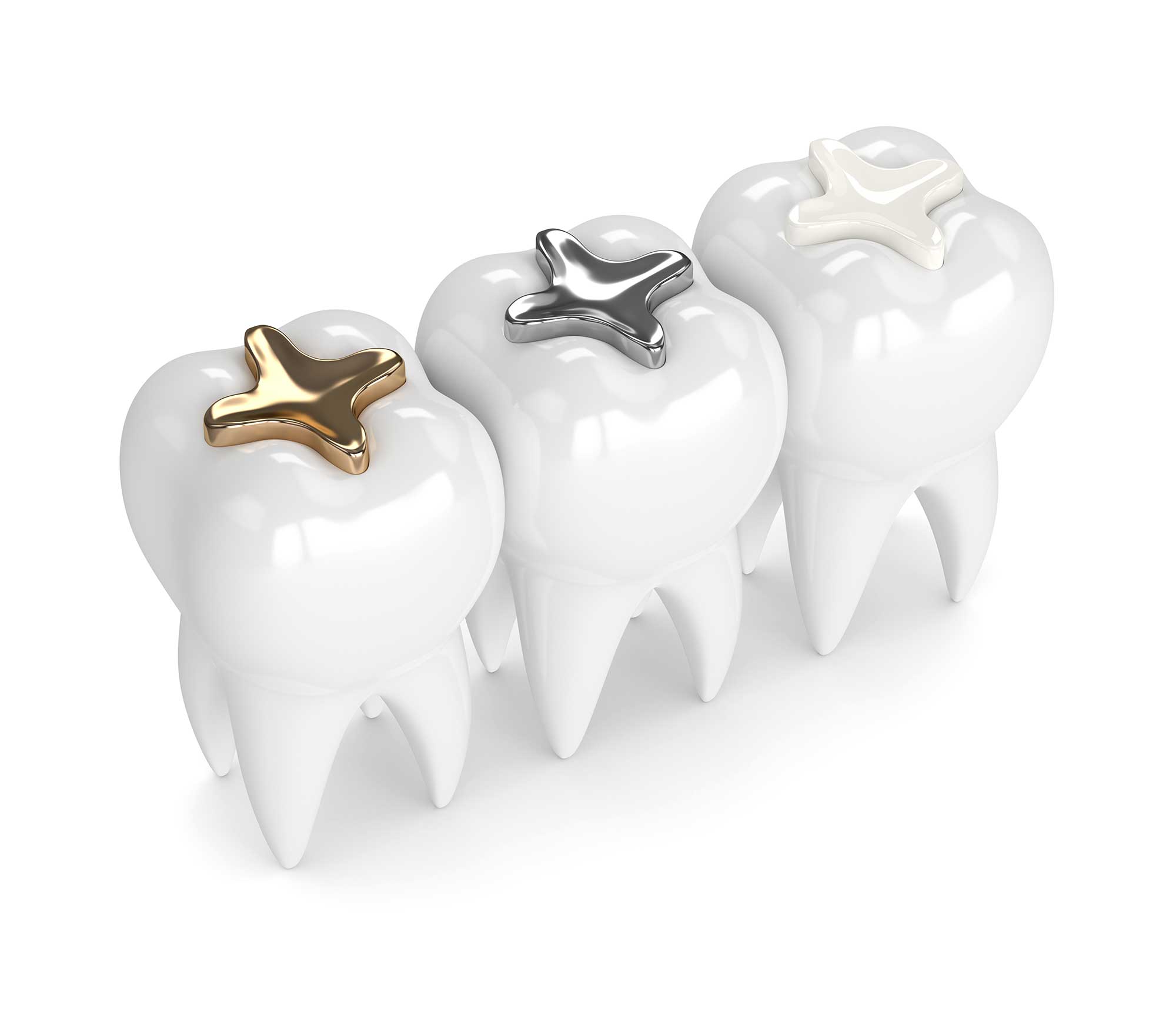
Model of molars showing different types of cavity fillings
Last Updated : December 11, 2025

Summary

Dental fillings are among the most common dental procedures, helping millions of people restore their teeth and prevent further decay. There are a variety of dental fillings that might be called for, depending on the condition of the tooth. Whether you’re dealing with a small cavity or a more significant dental issue, understanding the types of fillings available and their associated costs can help you make informed decisions about your dental care.

Key Takeaways

  • Material Matters: The choice of filling material affects both the appearance and durability of the restoration.
  • Longevity Varies: Fillings can last anywhere from a few years to several decades, depending on the material and care.
  • Cost Considerations: While gold and ceramic fillings are more expensive, they offer longevity that may justify the investment.
  • Regular Check-ups: Routine dental visits are essential to ensure the longevity of fillings and overall oral health

Table of Contents

drlee-image

This blog has been reviewed and approved by Dr Robert Lee, a dental professional of 35 years

LEARN MORE >

Key Takeaways

What Are Dental Fillings?

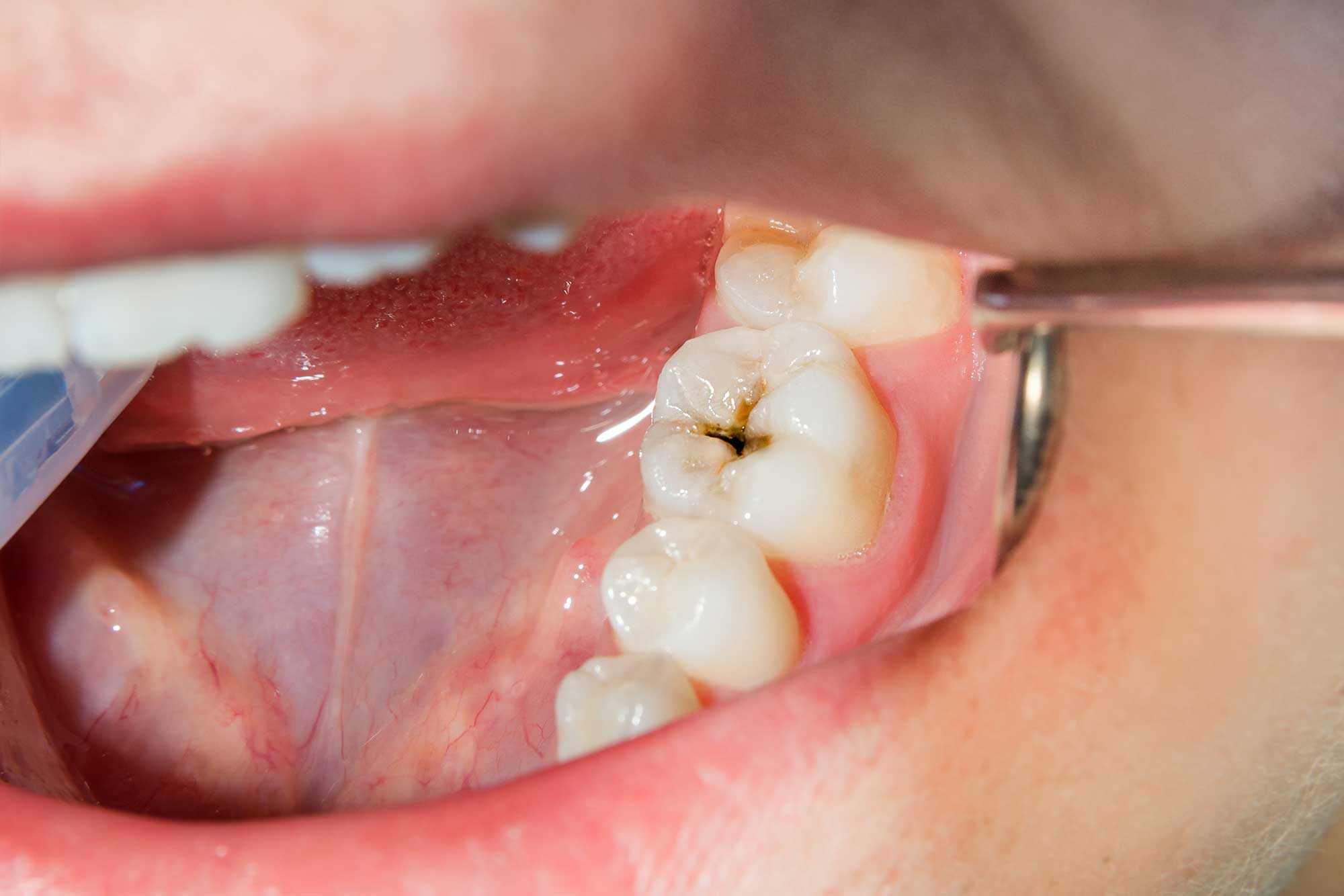
Close-up of a cavity in someone’s molar

A dental filling is a material used to restore a tooth damaged by decay or trauma. When a dentist identifies a cavity, they remove the decayed portion of the tooth and fill the space with a suitable material. This process restores the tooth's form and function and also prevents further decay and protects against sensitivity.

Types of Dental Fillings

There are several types of dental fillings, each with its own set of advantages and considerations:

Silver Amalgam Fillings -- Made from a mixture of metals, including silver, mercury, tin, and copper, silver amalgam fillings are durable and cost-effective

  • Pros:
    • Highly durable, lasting 10 to 15 years and often longer.
    • Resistant to wear and tear.
    • Cost-effective compared to other materials.
  • Cons:

Composite Resin Fillings -- Tooth-colored fillings are made from a blend of plastic and fine glass particles, offering a more natural appearance.

  • Pros:
    • Matches the natural color of teeth.
    • Ideal for visible areas like front teeth.
    • Bonds directly to the tooth structure, providing additional support.
  • Cons:
    • Less durable than amalgam; may last 5 to 7 years, though advancements in materials are continually improving their longevity.
    • More susceptible to staining over time.
    • Generally more expensive than amalgam.

Gold Fillings -- Gold fillings are made from a gold alloy and are known for their longevity and strength.

  • Pros:
    • Extremely durable, often lasting 15 years or more.
    • Resistant to corrosion and wear.
    • Well-tolerated by gum tissue.​
  • Cons:
    • High cost compared to other materials.
    • Requires multiple visits for placement.
    • Not tooth-colored, which may be a cosmetic concern.

Ceramic Fillings -- Made from porcelain, ceramic fillings are durable and aesthetically pleasing

  • Pros:
    • Matches the natural color of teeth.
    • Resistant to staining.
    • Durable, with a lifespan of up to 15 years.
  • Cons:
    • More brittle than other materials; may require larger fillings.
    • Generally more expensive.
    • May require more of the original tooth to be removed for placement, which can affect the tooth's overall structure.

Glass Ionomer Fillings -- These fillings release fluoride and are often used for fillings in baby teeth or non-biting surfaces.

  • Pros:
    • Releases fluoride, which can help protect the tooth from further decay.
    • Adheres well to tooth structure.
    • Suitable for fillings in areas that aren't subject to heavy chewing pressure.​
  • Cons:
    • Less durable than other materials; typically lasts around 5 years.
    • More prone to wear and tear.
    • Not ideal for large cavities or areas with heavy chewing forces.​

What Is the Procedure for Fillings?

Smiling young patient waiting to get a dental exam

The exact steps used in filling a cavity can vary depending on the material your dentist uses and the type of filling they’re doing. But generally, you can expect your dentist to:

  • Examine the tooth and diagnose the extent of the decay.
  • Numb the area around the tooth with a local anesthetic to minimize discomfort during the procedure
  • Remove damaged or decayed tissue from the tooth using a drill or other specialized instruments
  • Roughen or etch the cavity to help the filling bond to the tooth (for resin composite fillings).
  • Fill the prepared cavity with dental filling material of choice: Composite resin, Amalgam, Gold, or Porcelain
  • Use a dental curing light to harden the material (for resin composite fillings)
  • Polish and smooth any rough edges to ensure a comfortable bite and natural appearance
  • Check your bite to make sure it feels normal

How Much Do Dental Fillings Cost?

The cost of dental fillings can vary based on the type of material used, the location of the cavity (filling back teeth actually costs more), and the dentist's fees.

  • Silver Amalgam Fillings: Typically range from $100 to $250 per filling.
  • Composite Resin Fillings: Generally cost between $150 and $300 per filling.
  • Gold Fillings: Can range from $500 to $1,000 or more per filling.
  • Ceramic Fillings: Usually cost between $400 and $1,000 per filling.
  • Glass Ionomer Fillings: Generally range from $100 to $200 per filling.​

It's important to note that these are average costs and can vary based on factors such as location and the complexity of the procedure.

How Long Do They Last?

The longevity of a dental filling depends on the material used and the location of the filling. Here are some general guidelines:

  • Silver Amalgam Fillings: Can last 10 to 15 years, and often longer with proper care.
  • Composite Resin Fillings: Typically last 5 to 7 years, but this can be extended with good oral hygiene.
  • Gold Fillings: Can last 15 years or more, making them one of the most durable options.
  • Ceramic Fillings: Generally last up to 15 years.
  • Glass Ionomer Fillings: Usually last around 5 years.

Regular dental check-ups can help monitor the condition of your fillings and address any issues promptly.

Summary

Dental fillings are materials used by dentists to repair cavities and restore the shape, function, and appearance of damaged teeth. They can be made from various materials, including composite resin, silver amalgam, gold, porcelain, and glass ionomer. The choice of filling material depends on factors like the location and size of the cavity, desired aesthetics, and cost.

When it comes to having a cavity filled, it's important to know what treatments and materials are used for your dental care. Cosmetic considerations, how long the filling could last, insurance coverage, and out-of-pocket costs are some other factors you might want to consider when deciding which filling material is best for you.

Dental Procedures: Options for a Healthier, More Confident Smile

Modern dentistry can help correct damage, improve appearance, and keep your oral health in check. Get the most out of any dental procedure with a thorough oral care routine from home.

Your personalized daily oral care routine can help preserve any dental work done and maintain a stronger smile going forward:

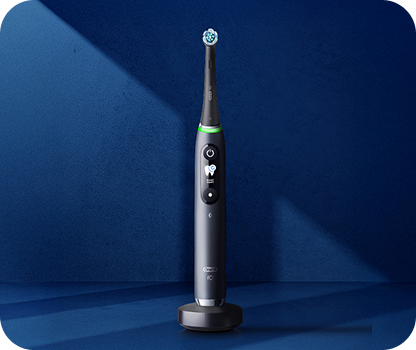
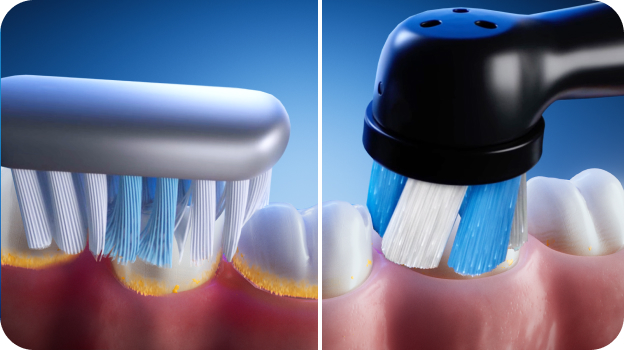
  • Brush 2X/day with an Oral-B iO Electric Toothbrush: To protect your investment in your fillings and prevent future cavities, a powerful oral care routine is essential. The Oral-B iO Electric Toothbrush removes up to 100% more plaque than a regular manual toothbrush, helping to keep the margins of your fillings clean and reduce your risk of new decay.
  • Use a Crest Fluoride Toothpaste: Pair your brush with a toothpaste specifically designed to fight cavities. Crest Pro-Health Advanced Gum Protection toothpaste not only contains stannous fluoride to strengthen enamel and prevent decay, but it also helps neutralize plaque bacteria around the gumline to maintain the health of the tissue surrounding your filled tooth.
  • Pair String Floss with an Oral-B Water Flosser: Cleaning around dental work such as bridges, crowns, and implants can help reduce plaque bacteria buildup. A water flosser gently washes away and leftover plaque and food debris for healthier teeth and gums.
  • Rinse with a Crest Mouthwash: To further protect against the plaque bacteria that cause cavities, complete your routine with a mouthwash. Rinsing with Crest Pro-Health Multi-Protection Mouthwash can kill 99% of germs, help prevent cavities, and keep your breath fresh, all without the burn of alcohol. This helps maintain a clean environment for your new fillings and overall oral health.
  • Maintain Your Smile's Brilliance with Crest 3D White: If you chose a tooth-colored composite filling, it's important to know that while whitening treatments won't lighten the filling itself, you can prevent staining on your surrounding natural teeth. Using a toothpaste like Crest 3D White Brilliance helps remove up to 100% of surface stains in just 3 days, ensuring your natural teeth stay matched to your filling for a seamless, bright smile.

Pair professional dental procedures with a personalized at-home oral care routine of brushing twice daily, flossing at least once a day, and rinsing with an antibacterial mouthwash, you can better support the long-term success if your treatment for a healthier, more confident smile.

FAQs

  • How long does filling a cavity take?
  • How long after a cavity filling can I eat?

Sources


Ferrari Peron, P., et al. (2025). A Randomized Crossover Trial Assessing Plaque Regrowth Dynamics in Adults With Use of an Oscillating-Rotating Electric Toothbrush Versus a Manual Toothbrush Measured by Digital Plaque Image Analysis. Clinical and Experimental Dental Research, 11(3), e70158https://doi.org/10.1002/cre2.70158

Kiesow, A., et al (2024). High-Resolution Characterization of Enamel Remineralization Using Time-of-Flight Secondary Ion Mass Spectrometry and Electron Microscopy. Caries Research, 58(4), 407–420. https://doi.org/10.1159/000535979

Table of Contents

  • What Are Dental Fillings?
  • Types of Dental Fillings
  • What Is the Procedure for Fillings?
  • How Much Do Dental Fillings Cost?
  • How Long Do They Last?
  • Summary
  • Dental Procedures: Options for a Healthier, More Confident Smile

  • FAQs
  • Sources
drlee-image

This blog has been reviewed and approved by Dr Robert Lee, a dental professional of 35 years

LEARN MORE >

Related Products

1222