









Drooling: Causes, Symptoms, and Treatment

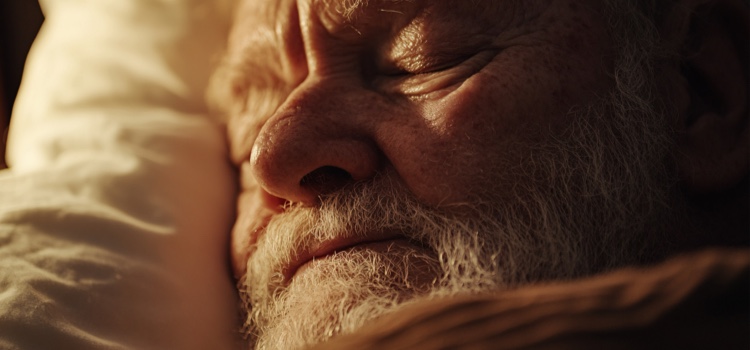
Close up of old man sleeping
Last Updated : February 5, 2026

Summary

Drooling is the name given to saliva that unintentionally comes out of the mouth. Excess saliva and underdeveloped muscles in the face and jaw are the most common reasons why a person will drool, but drooling can also happen due to some neurological conditions or age.

In this article, we will discuss the most common causes of drooling, why people often drool in their sleep, and treatment methods used for excessive drooling.

Key Takeaways

  • Takeaway #1: Drooling is the name given to the unintentional release of saliva from the mouth. Drooling can happen for several reasons, including age, sleeping position, neurological conditions, and minor illnesses.
  • Takeaway #2: Several at-home treatment methods can help you stop drooling, but on some occasions, medical attention may be necessary. If you are excessively drooling and are concerned, then it is recommended to seek medical advice.
  • Takeaway #3: Chronic drooling may require more involved treatments. Depending on the cause, these can range from speech therapy to medical procedures like Botox injections or surgery.
  • Takeaway #4: Practicing a healthy lifestyle and optimal oral care routine – which includes regular visits to the dentist – can help prevent drooling and ensure you catch any underlying issues that may be the cause.
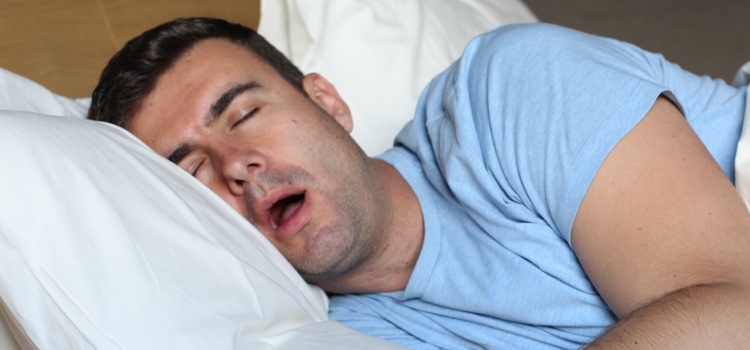
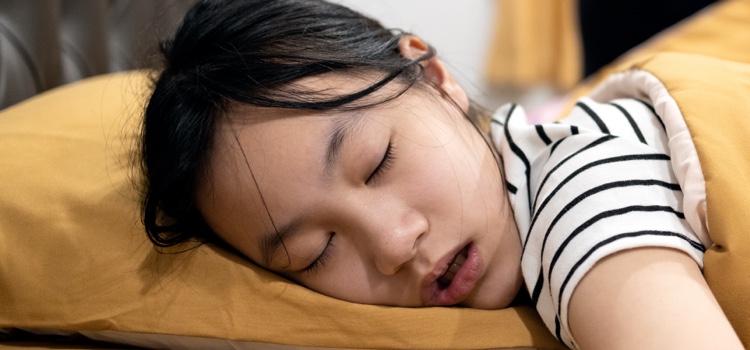
Table of Contents

drlee-image

This blog has been reviewed and approved by Dr Robert Lee, a dental professional of 35 years

LEARN MORE >

Key Takeaways


What is Drooling?

If you have ever woken up with a wet patch on the pillow next to you, then you are already familiar with drooling. Drool is saliva . Drool is saliva it commonly happens when you are asleep, but it can also be a symptom of underlying health conditions or age.

In adults, excessive drooling is known as sialorrhea. This can be caused by producing too much saliva (hypersalivation) or by difficulty managing a normal amount of saliva due to issues with swallowing or muscle control. For babies, drooling in sleep and during the day is much more common as the facial and oral muscles that control saliva are not yet fully developed.

Man sleeping and drooling.

Causes of Drooling

The question of "what causes drooling" does not have just one answer, as several factors can cause and exacerbate the condition. The most common causes of drooling include:

  • Age: Generally, babies will drool more than adults as the muscles used to control the flow of saliva are not yet fully formed. Drooling may worsen between three and six months, and when teething.
  • Sleep Position: Drooling in sleep is often caused by the position you sleep in. If you lie on your side or stomach, gravity will make it easier for saliva to escape your mouth.
  • Blocked Sinuses: Drooling is more common when you are mouth breathing, a state often caused by blocked sinuses.
  • GERD: Gastroesophageal reflux disease (GERD), commonly known as acid reflux, can lead to excessive drooling. The irritation from stomach acid can trigger increased saliva production or create a sensation that makes swallowing difficult, a condition known as water brash.
  • Medications: Certain medications can lead to excess drool, including antibiotics, antipsychotic drugs and Alzheimer's medication.
  • Bruxism: Teeth grinding (bruxism) is often accompanied by drool. This is because the condition causes mouth breathing/an open mouth.
  • Neurological Conditions: Conditions including strokes, ALS, MS, Parkinson's or cerebral palsy can make a person more likely to drool.
  • Diet: Food and drink high in sugar and acid can lead to excess drool.
  • Infections: Some diseases/infections can lead to drool, including strep throat, tonsillitis, and mononucleosis.

Why Do I Drool When I Sleep?

Drooling in sleep is common, and for many people, it will be the only time they drool at all. If you are wondering “why do I drool when I sleep,” the most common reason is your sleeping position.

Simply put, if you sleep on your side or stomach, gravity will make it easier for saliva to flow out of the mouth. If you sleep on your back, on the other hand, saliva pools in the mouth and throat meaning you are less likely to drool.

Positioning is not the only reason behind drooling in sleep, though. If you sleep on your back but still find yourself drooling it may be as a result of GERD, acid reflux, or mouth breathing prompted by an infection.

How to Stop Drooling in Your Sleep

If you are drooling at night, then do not worry; there are several effective ways to treat drooling in sleep, ranging from at-home methods to surgeries and medications. Common treatments include:

  • Changing your sleep position so drool cannot escape from the mouth as easily at night. While it may be difficult to adjust to a new sleeping position, lying on your back rather than stomach or side will stop you from drooling at night if gravity is the primary cause.
  • Addressing allergens by using antihistamines or removing them from your sleeping environment.
  • Using a mandibular device to clear airways and help reduce mouth breathing. Typically, these devices will be used to combat sleep apnea, but they can reduce drool levels. Consult your doctor before using a mandibular device.

For chronic drooling, more aggressive treatment measures may be necessary. Though they may not be applicable in every situation, the following treatments can be deployed to combat excessive drool:

  • Botox Injections

  • In cases of chronic drooling, Botox injections can be used as treatment. Botox is injected into the salivary glands, where it works by blocking the nerve signals that tell the glands to produce saliva. As with all uses of Botox injections, this treatment is not permanent and eventually the glands will resume normal function.

  • Medications

  • If a neurological condition is causing you to drool, then your doctor may prescribe medications which block impulses to your saliva glands and stop the production of saliva.

  • Speech Therapy

  • Speech therapy can be very effective for managing drooling. A speech-language pathologist can teach exercises to improve jaw stability, tongue strength, and swallowing patterns, which helps control saliva flow. This therapy is a common and often recommended treatment for managing chronic drooling (dysphagia).

  • Surgery

  • In rare cases, chronic drooling and hypersalivation may require surgery. A doctor can remove your saliva glands, alter their ducts, and reduce nerve connection to your saliva glands to combat sialorrhea.

What can I do at Home to Treat Drooling?

For children who are drooling excessively, popsicles, ice cubes, or simply cold drinks can help limit the production of saliva.

Limiting your (or your child's) intake of sugary and acidic food can also help reduce excessive drooling, as it lowers the risk of acid reflux.

Young girl sleeping and drooling with mouth open.

What Happens if Chronic Drooling is Left Untreated

It is important to pay attention to persistent drooling, especially if it occurs alongside other symptoms such as choking, breathing concerns, or trouble swallowing. If you notice these symptoms, consult a healthcare professional for evaluation and guidance.

Excess drool can also lead to angular cheilitis, a condition where the corners of the mouth dry up and painful sores form. Drool can also make its way into the lungs and cause a chest infection, such as pneumonia. Pneumonia symptoms include congestion, chest pain, a high fever and green or bloody mucus. Visit your doctor immediately if you experience these symptoms.

Managing Drooling Starts with Smarter Oral Care

As with any condition involving the mouth, maintaining excellent oral hygiene is essential — and drooling is no exception. A consistent oral care routine helps keep the mouth clean, reduces the risk of additional issues, and supports recovery from any related treatments.

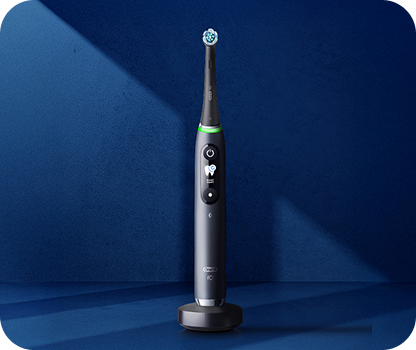
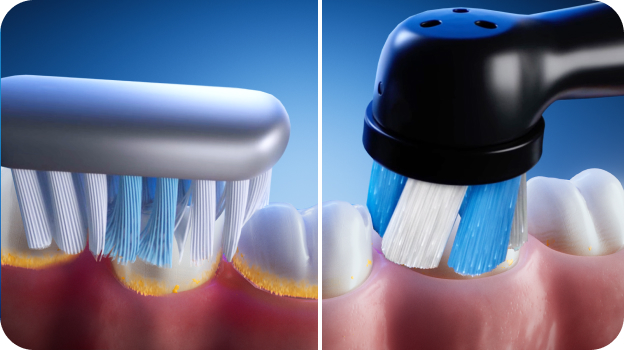
That's why Oral-B is dedicated to encouraging proactive oral health, starting with the Oral-B iO Series. Designed to help remove plaque with a gentle clean, the iO Series can be part of your daily oral care routine.

While excessive drooling can often be managed with home remedies and lifestyle adjustments, it's important to consult a healthcare professional if symptoms persist. And remember, maintaining a great oral care routine doesn't stop at brushing — regular visits to your dentist or dental hygienist are a crucial part of long-term oral health.

With Oral-B and the iO Series, you're empowered to care for your mouth with confidence.

FAQs

  • When should I be concerned about drooling?

  • Can poor oral hygiene make drooling worse?

  • How does saliva relate to oral health?

  • When should I see a doctor or dentist about drooling?

Sources

Table of Contents

  • What is Drooling?
  • Causes of Drooling
  • Why Do I Drool When I Sleep?
  • How to Stop Drooling in Your Sleep
  • What can I do at Home to Treat Drooling?
  • What Happens if Chronic Drooling is Left Untreated
  • Managing Drooling Starts with Smarter Oral Care

  • FAQs
  • Sources
drlee-image

This blog has been reviewed and approved by Dr Robert Lee, a dental professional of 35 years

LEARN MORE >

Related Products

1180|403