Gum Graft: What It Is, Procedure, Recovery, And Aftercare

SUMMARY
Key Takeaways
- A gum graft is a dental surgical procedure where tissues from your mouth are transferred to another area to help receding gum lines.
- A gum graft maybe recommended to help with gum recession.
- A periodontist performs the gum graft procedure and surgery.
- If gum recession is left untreated for too long and results in significant bone loss around the tooth, a gum graft may no longer be a viable treatment option.
- Good oral hygiene and gentle brushing helps your gums stay healthy and helps you avoid needing a gum graft.
Table of Contents

This blog has been reviewed and approved by Dr Robert Lee, a dental professional of 35 years
LEARN MORE >Key Takeaways
- A gum graft is a dental surgical procedure where tissues from your mouth are transferred to another area to help receding gum lines.
- A gum graft maybe recommended to help with gum recession.
- A periodontist performs the gum graft procedure and surgery.
- If gum recession is left untreated for too long and results in significant bone loss around the tooth, a gum graft may no longer be a viable treatment option.
- Good oral hygiene and gentle brushing helps your gums stay healthy and helps you avoid needing a gum graft.
Your gums and your children’s gums are a part of your mouth that sometimes can get overlooked. You commonly hear ‘brush and floss your teeth daily’ yet not everyone talks about the importance of keeping your gums healthy and what that looks like or how to take care of your gums. As you grow up and your teeth mature, issues in your gums may be noticed by your dentist. Gum health is impacted by your brushing, flossing, and oral hygiene routine.
Gum grafts are a procedure that you may need when you are older to help your gums and address receding gum lines. Learn more below about gum grafts, what it is, information about the procedure, recovery tips and most importantly, how to properly take care of your teeth and gums below. You can try to avoid needing a gum graft with proper oral care.
Gum Grafts

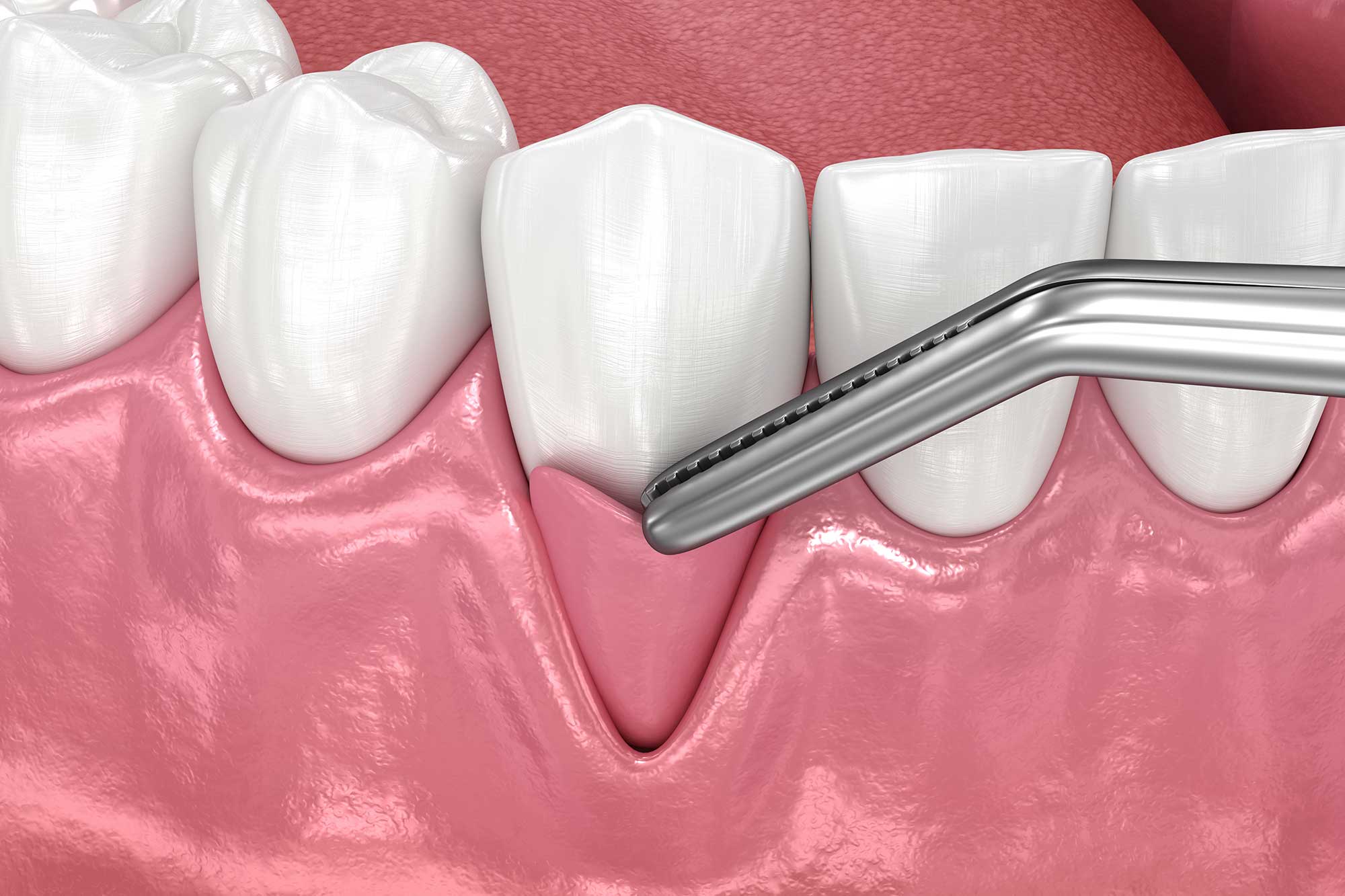
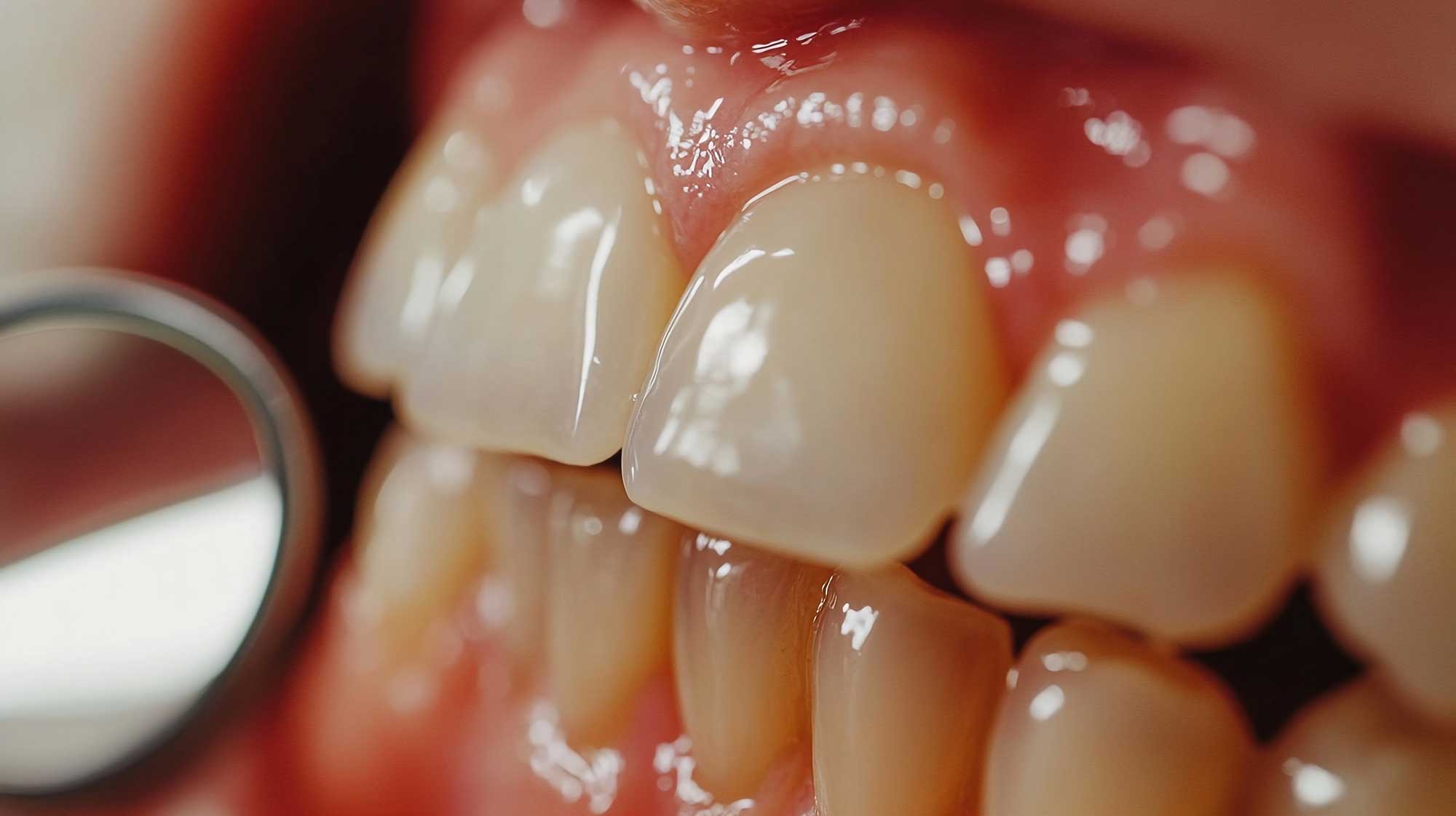
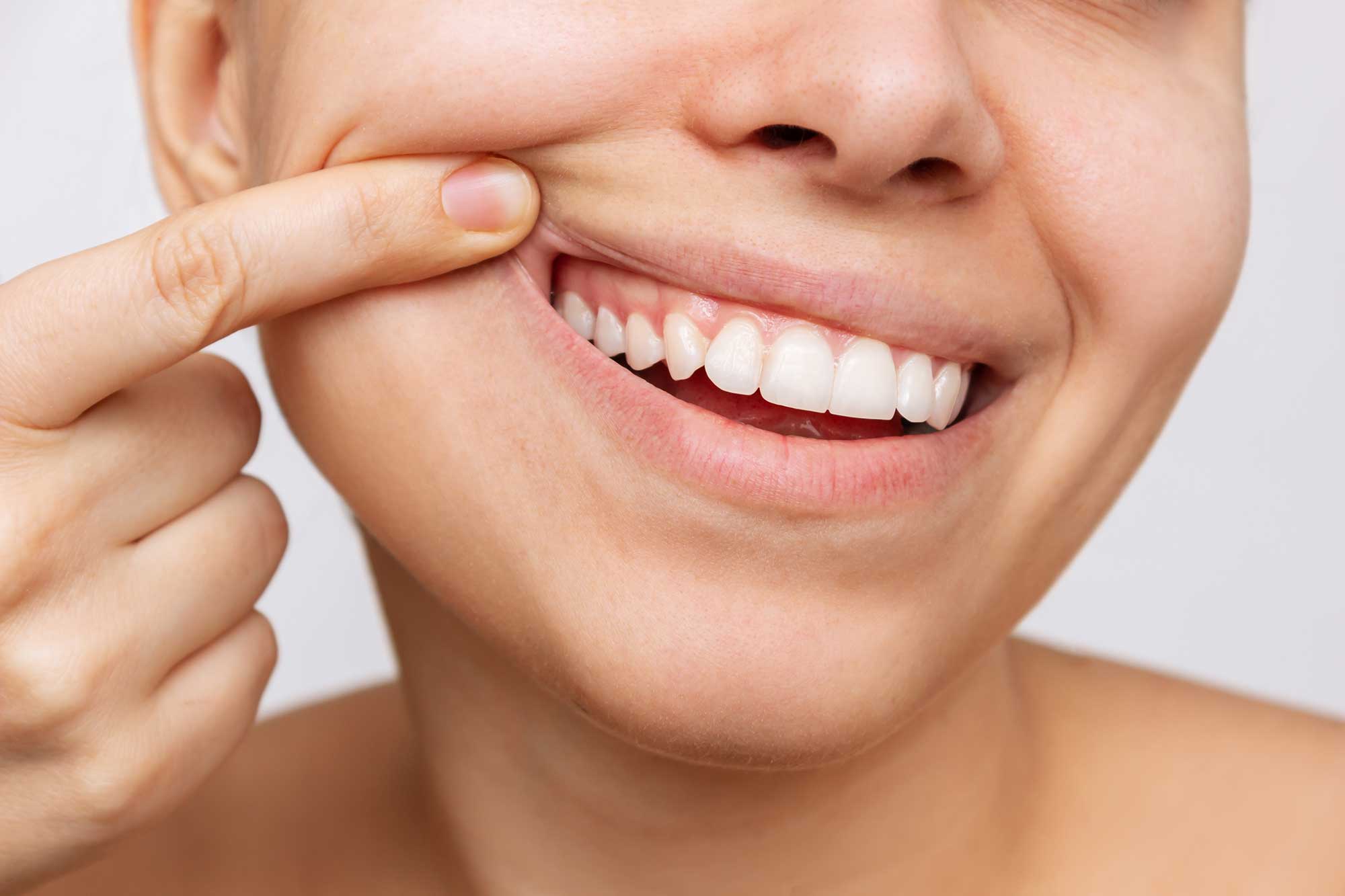
You may not hear the word ‘gum grafts’ when you are young, however, as you get into your adult years watching your gum health may become more of a conversation with your dentist. A gum graft is a surgical procedure designed to treat gum recession. It may be necessary if your gums have receded due to factors like periodontal disease, aggressive brushing, or genetics. A gum graft is a dental procedure and surgery that helps gum recession, a condition where the gums move away from the teeth and it may expose the root of the tooth. Gum grafts help to restore your gums by covering up the exposed tooth area and replacing the lost gum tissues that once covered parts of your teeth.
What Is a Gum Graft?
Gum grafts are done with dental surgery and transferring gum tissue from one area of your mouth to another area where the gum recession resides. Your dentist monitors your gum health and will let you know if they see signs of gum recession or if you may need a gum graft. However, it’s best to understand gum health and how to take care of your gums so you can avoid having gum recession or needing a gum graft surgery.
According to WebMD, gum recession is a common dental issue and affects 4% to 12% of adults. Watch for gum recession because if it gets worse or goes unnoticed it can lead to bigger dental problems, including needing a gum graft.
Gum Graft Surgery and Procedure – Step by Step
A dentist will first warn you of your gum health and gum recession. Then, they will recommend you to a periodontist who can evaluate your gums and assess whether you need a gum graft. The periodontist or gum doctor is also the person who performs the gum graft procedure.
There are three main types of gum graft procedures:
- Connective Tissue Grafts: Most common type of gum graft, often done to cover the exposed tooth root.
- Free Gingival Grafts: Used to thicken the gum tissue in patients who suffer from thinning gums.
- Pedicle Grafts: Often done when there is enough gum tissue with its own blood supply near the receding tooth.
Your dentist or periodontist can confirm how they will treat your gum recession and how they will perform the gum graft surgery.
Typically, a gum graft procedure looks like this:
- Arrive at the periodontist's office, where you will receive local anesthesia to completely numb the surgical areas and prevent any pain during the procedure.
- The periodontist will perform one of the types of gum graft procedures, depending on what you need and how your gum recession is.
- After the gum graft is secured, your mouth will be rinsed with a special antimicrobial mouthwash to help prevent infection.
- Your gum graft recovery will be unique to you; your periodontist will probably recommend a diet and recovery plan.
Gum Graft Recovery

After a gum graft you will need one to two weeks to recover and feel better. Plan on nurturing yourself during that time and staying mainly at home. If you have multiple areas in your mouth that need a gum graft your recovery may take a bit longer. Use these tips to help your gum graft recovery:
- Icing your mouth will help reduce swelling.
- Your periodontist will recommend a diet that probably consist of soft foods and liquids.
- Usually, you will want to avoid exercise and heavy lifting during your gum graft recovery. Your periodontist will recommend what’s best for you after the gum graft procedure.
- Special mouthwashes or oral hygiene tips may be recommended to take care of your gums and teeth as your mouth heals.
Gum Graft Before and After
Gum graft procedures have a very high success rate in covering exposed roots and improving the gumline. While the healing process requires care, the results of a successful gum graft can be very long-lasting, provided you maintain excellent oral hygiene and address the original cause of your recession. Gum grafts protect the tooth from decay and damage and can help protect your mouth from more damage.
The gum graft takes about 1-2 hours, depending on what they need to do. The recovery may take 1-2 weeks to heal though. Your periodontist will tell you what kind of diet to do and what foods are best after a gum graft to recover well.
Gum Graft Healing Stages and Recovery
Healing after a gum graft may take up to three months, however after about a month, you should be back to normal activities and your mouth should feel better. You will need to continue your oral hygiene routine and be careful brushing and flossing in the gum area where the surgery was done. After a gum graft, healing stages to recover from a may look like:
- Day 1: Post surgery recovery, may have some swelling
- Days 2-3: Pain may be present, swelling should decrease
- Days 4-7: Do soft diet as gum graft area is healing and may look white or yellowish
- Days 8-10: Swelling or pain should be greatly reduced. Most people are able to have 90% of their diet back to normal
- Days 11-14: Gum graft may feel better and you will need a follow up dental appointment
- Days 15-21: Some sensitivities will persist within your mouth, yet patients should be back to normal routines.
- Days 22-31: After a month your mouth should be well healed
Gum Graft Cost
Check with your dental insurance to see how much a gum graft may cost you. Typically gum grafts are costly procedures and not all dental insurance covers it. A gum graft can range from $2000 - $5000+ and if you have multiple teeth that need a gum graft it may cost even more.
Gum Graft Failure
Like any other dental procedure or surgery, there are times when the gum graft doesn’t go as planned. You may do a gum graft and then look in your mouth and notice patches or see the parts of the gum coming off. It is rare for a gum graft to fail, yet it happens on occasion. If you notice anything odd in your mouth after having a gum graft, be sure to contact your periodontist office and seek advice to help you recover from a gum graft.
Why you Need a Gum Graft
There are different types of gum surgeries a dentist or periodontist may recommend if you have gum recession or gum disease. Even if you follow a routine oral hygiene practice and brush and floss your teeth and gums daily, you may still get gum disease or have gum issues. Bacteria can build up in your mouth, making you more susceptible to gum disease or needing a gum graft. However, genetic and inherited factors may also play a role in how your teeth and gums develop. Even if you have perfect brushing and flossing rituals, you still may need a gum graft at some point in time.
Essentially, the gum graft will protect your teeth and help with gum recession. Your dentist and periodontist will determine whether you may need a gum graft and give you information about the state of your oral hygiene health.
Taking Care of your Gums to Avoid Gum Grafts
Healthy gums are crucial to tooth and mouth health. In the event of gum disease (also known as gingivitis), the first line of defense is to see a dental professional. They can do a proper examination, determine the level of periodontal disease, and recommend treatments. But there are things you can do to help.
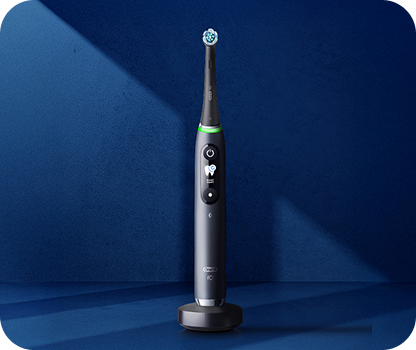
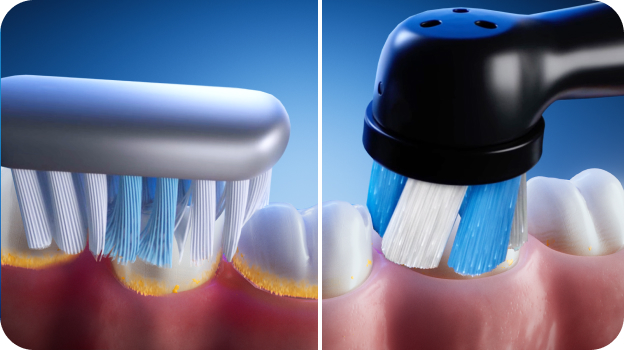
- The Oral-B iO series is an oscillating-rotating electric toothbrush with micro-vibrations. Compared to manual and some sonic toothbrushes, it has been shown in clinical studies to be more effective at reducing plaque and gingivitis (inflammation) which can lead to gum recession.
- Brush heads like the Oral-B iO Gentle Care brush heads feature up to 4,000 ultra-thin bristles designed for a gentle yet effective clean along the gumline. For example, some Oral-B oscillating-rotating brush heads have been shown to provide a superior clean along the gumline compared to a manual toothbrush.
- Toothpastes like the Crest Gum Detoxify or Crest Pro-Health lines are formulated with stannous fluoride.
- Rinsing with a mouthwash like Crest Pro-Health Multi-Protection Mouthwash is clinically proven to help prevent plaque and gingivitis.
- Glide Floss helps prevent gingivitis as part of a complete dental plan.
FAQs
-
When is it too late for gum grafting
-
Does the gum graft procedure hurt?
-
Is gum grafting worth it
-
How much is gum grafting with insurance
-
How long does a gum graft procedure take
Sources
- https://my.clevelandclinic.org/health/treatments/23504-gum-graft-surgery
- https://www.webmd.com/oral-health/gum-tissue-graft-surgery
- https://www.healthline.com/health/dental-and-oral-health/gum-graft#procedure
- https://www.flossdentalmagnolia.com/gum-graft-recovery-week-by-week-healing-timeline/
- https://gumdiseaseguide.org/when-is-it-too-late-for-gum-grafting/
Adam R. (2020). Introducing the Oral-B iO electric toothbrush: next generation oscillating-rotating technology. International Dental Journal, 70 Suppl 1(Suppl 1), S1–S6.https://doi.org/10.1111/idj.12570.
Adam, R., et al. (2020). Evaluation of an oscillating-rotating toothbrush with micro-vibrations versus a sonic toothbrush for the reduction of plaque and gingivitis: Results from a randomized controlled trial. International Dental Journal, 70(suppl 1), S16-S21.https://doi.org/10.1111/idj.12569.
Goyal, C. R., et al. (2021). A 6-month randomized controlled trial evaluating a novel smart-connected oscillating-rotating toothbrush versus a smart-connected sonic toothbrush for the reduction of plaque and gingivitis. American Journal of Dentistry, 34(1), 54-60.https://pubmed.ncbi.nlm.nih.gov/33544990.
Grender, J., et al. (2020). An 8-week randomized controlled trial comparing the effect of a novel oscillating-rotating toothbrush versus a manual toothbrush on plaque and gingivitis. International Dental Journal, 70, S7–S15.https://doi.org/10.1111/idj.12571.
Li, Y., et al. (2024). Enhanced control of periodontitis by an artificial intelligence-enabled multimodal-sensing toothbrush and targeted mHealth micromessages: A randomized trial. Journal of Clinical Periodontology, 51(12), 1632–1643.https://doi.org/10.1111/jcpe.13987.
Xie, S., et al. (2024). Stannous fluoride protects gingival keratinocytes against infection and oxidative stress by Porphyromonas gingivalis outer membrane vesicles. Frontiers in Dental Medicine, 5, 1492369.https://doi.org/10.3389/fdmed.2024.1492369.
Table of Contents
- Gum Grafts
- What Is a Gum Graft?
- Gum Graft Surgery and Procedure – Step by Step
- Gum Graft Recovery
- Gum Graft Before and After
- Gum Graft Healing Stages and Recovery
- Gum Graft Cost
- Gum Graft Failure
- Why you Need a Gum Graft
- Taking Care of your Gums to Avoid Gum Grafts
-
- FAQs
- Sources

This blog has been reviewed and approved by Dr Robert Lee, a dental professional of 35 years
LEARN MORE >
Sign Up
for gum care tips, expert advice, and exclusive offers.
Sign Up
for gum care tips, expert advice, and exclusive offers.