What is Dental Curettage and When Should it be Done?

Summary
Depending on the severity of your condition, dental curettage can be surgical or non-surgical and take one or many sessions.
In this article, we will discuss the role of dental curettage in treating periodontal disease and gingivitis, explain the differences between surgical and non-surgical curettage, and provide tips for recovering from the procedure.
Key Takeaways
- Takeaway #1: Dental curettage is a procedure to remove infected gum tissue, often performed in conjunction with scaling and root planing to support gum healing.
- Takeaway #2: Common conditions treated by dental curettage are gingivitis and periodontitis.
- Takeaway #3: Enhancing oral care can prevent the onset of these conditions entirely.
Table of Contents

This blog has been reviewed and approved by Dr Robert Lee, a dental professional of 35 years
LEARN MORE >Key Takeaways
What is Dental Curettage
Dental curettage is a procedure that removes the diseased soft tissue lining of a gum pocket. It is typically performed in conjunction with scaling and root planing, a deep dental cleaning that targets plaque and tartar buildup on the roots of your teeth beneath the gumline.
Dentists, dental hygienists or periodontists often recommend this procedure for patients with mild to moderate gum disease. It can help reduce gum inflammation and bleeding, lower the risk of tooth loss, and support long-term oral health.
The Gum Diseases that Require Dental Curettage
Almost all instances of dental curettage will be in response to gum disease. While gum diseases are common, they can cause serious harm if left untreated in the long term. Dental curettage is therefore a vital treatment in ensuring conditions like gingivitis and periodontitis do not fester and lead to irreversible gum damage and teeth loss.
Gingivitis
Gingivitis is a mild form of gum disease that affects many people. It is caused by the buildup of a bacterial film called plaque. While many types of bacteria are involved, certain harmful species can thrive if plaque is not removed, leading to inflammation.
Symptoms of gingivitis include:
- Irritated, swollen gums.
- Bleeding when cleaning teeth.
- Halitosis (bad breath).
- Change in gum color (typically bright or dark red).
If left untreated, gingivitis can lead to a more serious gum disease known as periodontitis. If you are wondering 'how long does it take for gingivitis to turn into periodontitis', there is no set timescale, so seek treatment immediately to ensure progression does not happen.
If you notice symptoms of gingivitis, schedule an appointment with a dentist or dental hygienist as soon as possible. Treatment usually focuses on removing plaque and tartar through a professional cleaning and improving daily brushing and flossing habits. If gum inflammation has progressed and deeper pockets are present, your dental professional may recommend scaling and root planing as part of your care.
Periodontitis
Periodontitis is a serious gum disease that affects the soft tissue and bones around the teeth. If left untreated, periodontitis can lead to tooth loss and irreversible gum damage, so recognizing and combatting the condition is vital. Periodontitis symptoms include:
- Swollen and irritated gums
- Blood on your toothbrush and in your spit after teeth cleaning
- Halitosis
- Pus between teeth
- Loose teeth
- Change in gum color (bright or dark red/purple)
- Receding gums
Once again, if you notice any periodontitis symptoms you should visit the dentist or dental hygienist as soon as possible. Seeking periodontitis treatment as early as possible will increase the chances of reversing damage and hopefully stop you from losing teeth.
If you are wondering how to treat periodontitis, methods may include:
- Antibiotics / antibacterial treatments
- Dental curettage
- Surgery (in advanced cases)

Types of Dental Curettage
There are two types of dental curettage:
Closed Curettage (Non-Surgical Curettage)
In cases of mild to moderate periodontitis, closed (non-surgical) dental curettage will suffice as a treatment. In this procedure, a dental professional uses a special instrument called a curette to remove the diseased soft tissue lining of the gum pocket. This is typically done at the same time as scaling and root planing, which are the procedures that remove plaque and tartar from the tooth and root surfaces.
During the procedure, plaque will be scraped off affected teeth and from any pockets that have built up, this is called scaling. After this, your dentist or dental hygienist will smooth the roots of your teeth to help them reattach to the gums, if necessary, this is called root planing.
Scaling and root planing are often done under the effects of local anesthetic, but this will not always be necessary. The procedure can take up to several sessions depending on the level of bacteria present.
Open Curettage (Surgical Curettage)
For more serious cases of periodontal disease, a dentist may need to perform an open (surgical) curettage. Open dental curettage involves lifting the tissue of your gums to clean deep pockets of bacteria and plaque.
In severe cases of periodontal disease, a person may experience gum recession and bone loss, a condition which can lead to loosened and lost teeth. For this reason, open dental curettage is often performed in tandem with a gum graft. A gum tissue graft uses tissue from the roof of the mouth to surround an exposed root and re-secure your tooth.
When Should Dental Curettage be Done?
Gum Disease (Periodontitis and Gingivitis)
Gum diseases including periodontitis and gingivitis are the most common reasons why dental curettage may be performed. These conditions affect the long-term health of your teeth and gums, and curettage offers an effective solution by removing infected gum tissue and cleaning deep pockets of bacteria and plaque.
Presence of Deep Gum Pockets
Deep gum pockets (periodontal pockets) are a symptom of gum disease and happen due to bacteria eroding tissue around your teeth. When this tissue is eroded, a sheltered pocket where bacteria can thrive is created and this can lead to advanced stages of gum disease and tooth loss.
Curettage of teeth can clean these pockets and reduce their size, helping your teeth to stay secure, and your gums healthy.
Bleeding, Swollen, or Receding Gums
If you are wondering why do gums bleed, then the answer is more than likely to be gum disease. If you do have bleeding gums though, a solution may be dental curettage and dental tartar removal. The process of curettage cleans gums and promotes tissue regeneration reducing or stopping bleeding and swelling in future.
After Scaling and Root Planing Fails
If scaling and root planing fail to resolve gum disease, then surgical curettage will be necessary to fully remove harmful bacteria deposits. Though scaling and root planing are effective at removing tartar from the tooth surface, surgical curettage may be part of a more comprehensive treatment plan to remove diseased tissue from deep within the gum pocket when non-surgical approaches are not sufficient.
Presence of Bone Loss
Bone loss in the jaw can happen as a result of periodontal disease and lead to lost teeth and receding gums. Dental curettage can slow or stop the process of bone loss within the mouth, but a dental bone graft may be required if a significant loss has already occurred.

How is Dental Curettage Performed?
- Initial Examination and Diagnosis
- Local Anesthesia Application
- Removal of Diseased Gum Tissue
- Root Planing and Disinfection
- Post-Procedure Care and Healing
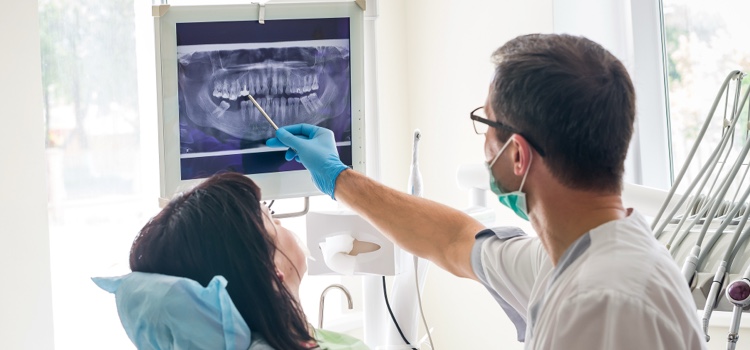
The first step in gum disease treatment (dental curettage) is understanding the extent of the problem at hand. Your dentist or dental hygienist may perform dental probing and an x-ray and examine your full dental history. After this, they should understand the extent of your gum disease and whether curettage is the correct treatment for you.
If your dentist or dental hygienist decides that curettage is how to treat gum disease effectively for you, then the procedure can begin. Depending on the type of dental curettage your dentist or dental hygienist chooses to administer, they may decide a local anesthetic is necessary. This will keep the experience pain-free and comfortable.
Once numbed, your dentist or dental hygienist will start to remove infected gum tissue that is responsible for oral damage and gum disease. Using a curette, the dentist or dental hygienist will scrape the inner lining of gum pockets, removing the infected tissue and any debris which may be located within them. Once this is completed, the gums can heal and rejuvenate free of harmful bacteria.
In addition to the deep dental cleaning which sees pockets cleaned, your dentist or dental hygienist will perform scaling and root planing for gum health and dental tartar removal purposes.
Scaling removes plaque and tartar from the surface of teeth as well as just below the gum line, ensuring that no buildups of harmful bacteria remain in the mouth. Root planing adds to this by smoothing the roots of teeth and making it easier for them to reattach to your gums.
Dental Curettage can take one, or several sessions. After gum disease treatment has finished, your gum tissue will reattach over time to the teeth, strengthening the bond and healing damage done by gum disease.
During the healing period, it is vital to maintain good oral health to ensure that bacteria are not allowed to build up in the mouth again, and healing tissue can do so in a clean environment.
Potential Risks and Side Effects
As with all dental procedures, there are several potential risks and side effects associated with dental curettage. These include:
- Irritation and bleeding: After dental curettage, it is normal to experience a level of discomfort and pain. In most cases, OTC pain relief medication should reduce this and keep you comfortable, but you may need prescription medicine if the pain is intense.
- Mouth infections: As curettage involves the removal of bacteria through scraping, there is a chance that infected particles may enter the bloodstream and cause an infection. Hygienic measures taken by dental professionals will limit the chance of this, but it is possible. If you notice gum infection symptoms (pain, swelling, bleeding) contact your dental practitioner.
- Gum recession: Although rare, dental curettage can sometimes lead to gum recession.

Benefits of Dental Curettage
There are also many benefits to dental curettage that make it one of the most popular and effective gum disease treatments, these include:
- Reducing gum pocket depth: Shrinking gum pockets reduces the space harmful bacteria accumulate and lowers your future risk of gum disease.
- Preventing tooth loss: Through stabilising gums and smoothing teeth roots, dental curettage reduces your chance of tooth loss.
- Encouraging gum tissue regeneration: Eliminating harmful bacteria promotes gum tissue regeneration.
- Eliminating gum infections: Removing bacteria stops gum disease and infections from affecting your oral health.
Aftercare and Recovery Tips
To ensure you minimize your chances of side effects during recovery from dental curettage, there are several lifestyle changes and practices you may want to follow. These include:
- Avoiding spicy, acidic, or hard foods
- Using prescription, antibacterial mouthwash to prevent infection on vulnerable gums
- Attending follow-up consultations with your dentist or dental hygienist to check in on gum health
- Maintaining good oral hygiene and routine, which includes regular visits to the dentist and dental hygienist
Healthy Gums and Teeth
Once you're an adult, you only get one set of teeth—so protecting them is key. Advanced gum disease can be painful but can also lead to tooth loss. Luckily, tooth scaling and root planing can help preserve your smile if you develop periodontitis.
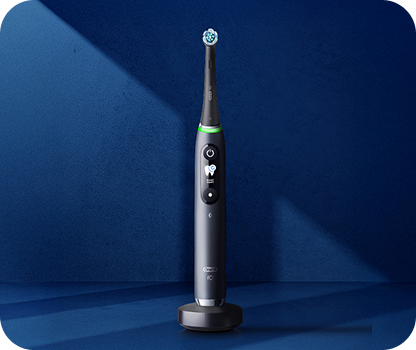
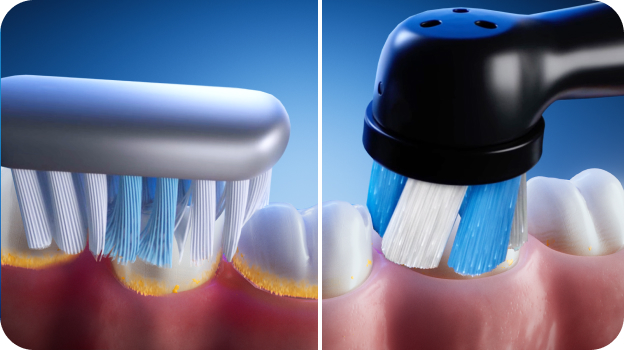
Only a dental professional has the tools and training needed to remove the hardened plaque (tartar) that leads to gum disease. Still, consistent brushing and flossing at home play a big role in keeping your mouth healthy. For example, the round brush heads on Oral-B® iO™ Series electric toothbrushes are dentist-inspired to surround each tooth for a thorough cleaning, while micro-vibrations help target plaque in hard-to-reach areas.
FAQs
-
How does oral hygiene impact the need for dental curettage?
-
When should I see a dentist or dental hygienist about gum problems?
-
How can I prevent the need for dental curettage?
-
Is dental curettage painful?
-
How long does it take to recover from dental curettage?
Sources
- https://ismile.techinfus.com/en/hirurgiya/ kyuretazh-parodontalnyh-karmanov
- https://www.webmd.com/oral-health/gum-tissue-graft-surgery
- https://steptohealth.com/dental-curettage-procedure-results-and-care/
- https://www.healthline.com/health/ periodontal-pockets
- https://my.clevelandclinic.org/health/ treatments/23983-tooth-scaling-and-root-planing
- https://www.mayoclinic.org/diseases-conditions/periodontitis/symptoms-causes/syc-20354473
- https://www.mayoclinic.org/diseases-conditions/gingivitis/symptoms-causes/syc-20354453
- Adam R. (2020). Introducing the Oral-B iO electric toothbrush: next generation oscillating-rotating technology. International Dental Journal, 70 Suppl 1(Suppl 1), S1–S6. https://doi.org/10.1111/idj.12570
- Li, Y., et al. (2024). Enhanced control of periodontitis by an artificial intelligence-enabled multimodal-sensing toothbrush and targeted mHealth micromessages: A randomized trial. Journal of Clinical Periodontology, 51(12), 1632–1643.
https://doi.org/10.1111/jcpe.13987 - Zou, Y., et al. (2024). A meta-analysis comparing toothbrush technologies on gingivitis and plaque. International Dental Journal, 74(1), 146-156.
https://doi.org/10.1016/j.identj.2023.06.009
Table of Contents
- What is Dental Curettage
- The Gum Diseases that Require Dental Curettage
- Types of Dental Curettage
- When Should Dental Curettage be Done?
- How is Dental Curettage Performed?
- Potential Risks and Side Effects
- Benefits of Dental Curettage
- Aftercare and Recovery Tips
- Healthy Gums and Teeth
-
- FAQs
- Sources

This blog has been reviewed and approved by Dr Robert Lee, a dental professional of 35 years
LEARN MORE >
Sign Up
for expert advice and exclusive offers
Sign Up
for expert advice and exclusive offers