Canker Sore Vs Cold Sore: What's The Difference

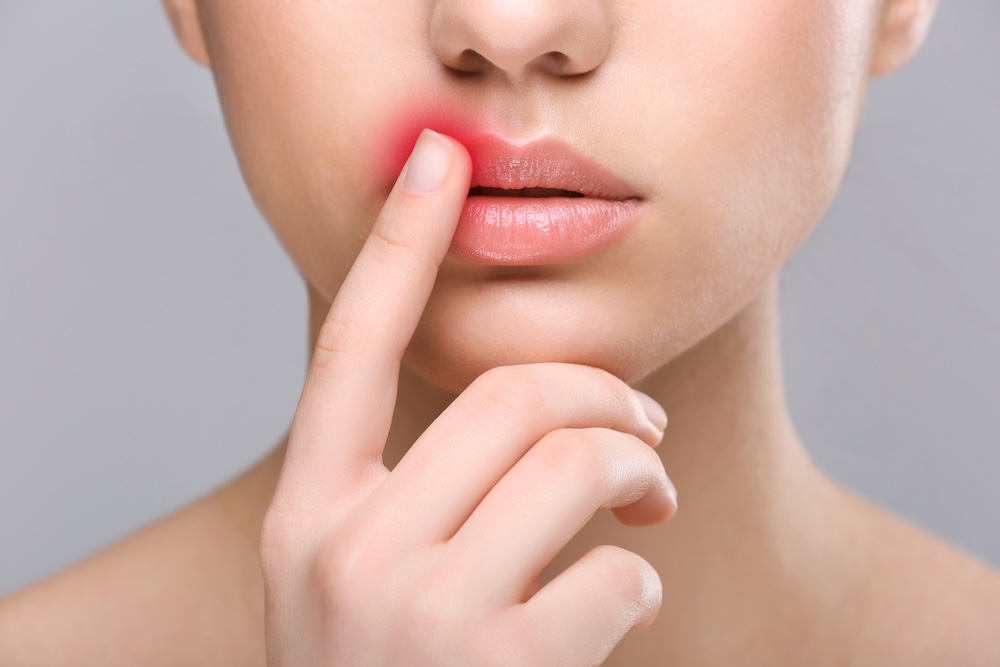
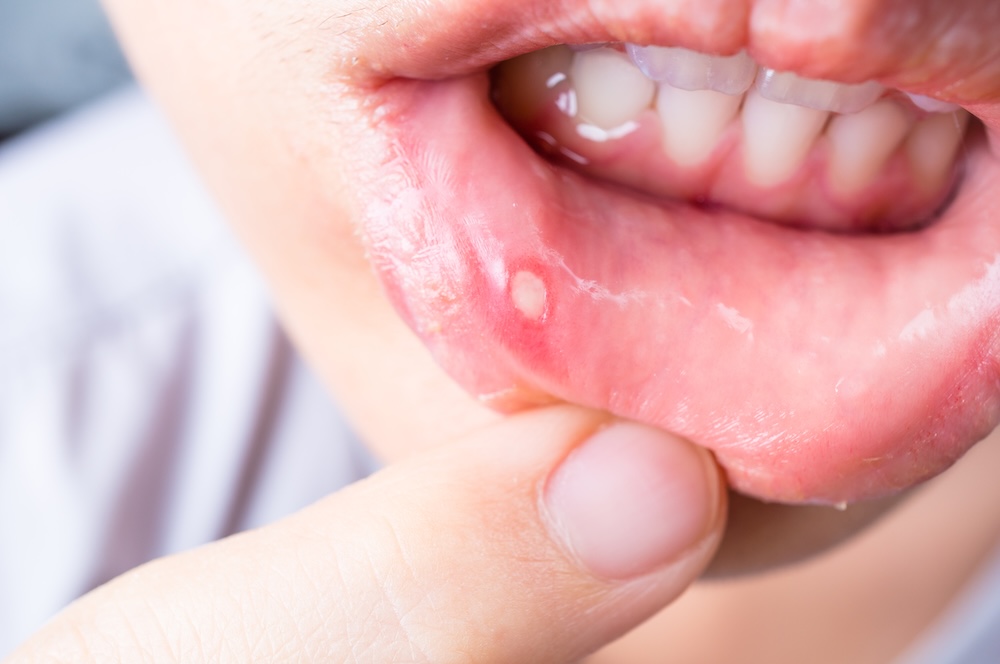
Woman touching a painful canker sore on her lip
Last Updated : December 11, 2025

Summary

Canker sores are different compared to cold sores. Both are common and bothersome oral sores that can form in or around the mouth. While routine oral hygiene may not prevent them entirely, it plays a key role in managing symptoms and promoting a healthy oral environment. Adults and children can get both kinds of sores. The main difference between a canker sore and cold sore is the location of where you find them. Canker sores are found inside the mouth, while cold sores are typically found on or around the lips and appear as small, fluid-filled blisters. Consult a dentist if you feel any odd or painful sores around or in your mouth. They can help diagnose and share treatment recommendations.

Key Takeaways

  • Canker sores are different than cold sores.
  • Canker sores are found inside the mouth and are not contagious.
  • Cold sores are found along the lips and are highly contagious, often looking like red fever blisters.
  • A dentist or doctor can diagnose the best treatment for both canker sores and cold sores and over the counter cream can be used to help both.
  • Maintaining good oral hygiene, with daily brushing and flossing, can help reduce the frequency of canker sore flare-ups and support healing for both types of sores.

Table of Contents

drlee-image

This blog has been reviewed and approved by Dr Robert Lee, a dental professional of 35 years

LEARN MORE >

Key Takeaways

Canker Sore vs Cold Sore

Both canker sores and cold sores can be painful and irritating. It's no fun when sores appear around your mouth and when you experience discomfort. Know how to tell whether you may have a canker sore or cold sore and the difference:

  • Canker sore – aka aphthous ulcers, are not contagious and lesions can be found on the gums and the inside of the mouth or tongue
  • Cold sore – aka fever blisters, is a type of herpes (HSV) and is highly contagious and found often around the mouth

Learn more about canker sores vs cold sores and how to tell the difference below. The location of the oral lesion, can usually determine and diagnose whether it's a canker sore or cold sore. Ask your dentist if you think you have a canker sore or cold sore and get their recommendations for the best oral hygiene tips to prevent them and treat them.

What Do Canker Sores and Cold Sores Look Like?

Oral lesions found around the mouth or inside may look similar. However, canker sores and cold sores vary and with some education, you can know the difference. If you think you have a sore, be sure to check the color, size and location of the lesion to help you know whether it's a canker sore or cold sore.

  • Canker Sores: oval oral lesions that can be white or yellow with a red border typically found on gums, tongue or inside cheeks and lips
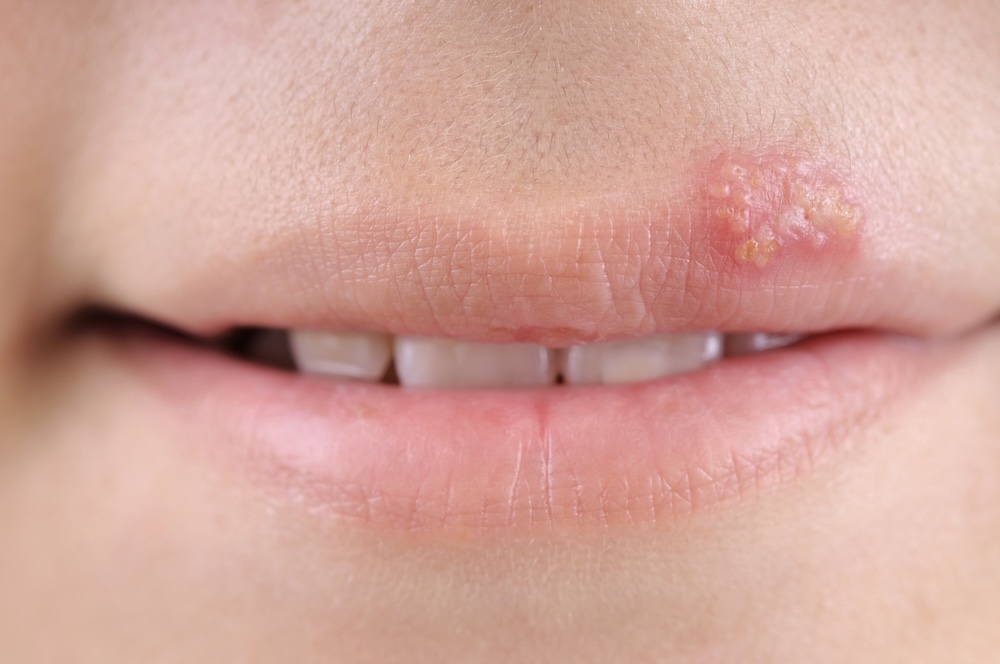
  • Cold Sores: small blister like clusters around the lips and other symptoms (such as a fever or sore throat) may be present too, indicating a herpes infection breakout.

What Is a Canker Sore?

Close-up of mouth with canker sore on their inside lip

Canker sores are oral lesions found inside the mouth and are typically painful and uncomfortable. As sores develop, you may have tingling and sometimes burning sensations in your mouth, making eating, drinking and speaking difficult and uncomfortable.

  • Canker sore causes: trauma or injury to the mouth, stress, nutritional deficiencies, such as low vitamin B12, allergies or food sensitivities.
  • Canker sores are common with about 20% of the U.S. population has had one at least once.
  • You may notice canker sores developing while brushing your teeth and when areas of the mouth seem more sore than usual.
  • Minor canker sores typically heal on their own within 1-2 weeks. Larger, or major, canker sores are less common and can take up to six weeks to heal.
  • To get rid of a canker sore use an over-the-counter gel to help with pain. Rinsing with an alcohol-free, antimicrobial mouthwash can help keep the area clean, reduce irritation, and promote healing.
  • Check with your dentist about their recommendations to treat canker sores and follow what they recommend.

What Is a Cold Sore?

Cold sores are oral lesions found around the lips

Cold sores are oral lesions found around the lips, that look reddish and blister-like. They are very contagious and usually have itching, tingling and sometimes burning sensations.

  • Cold sore causes: herpes simplex virus (HSV-1) and can be spread by direct contact, such as kissing or sharing utensils
  • Cold sores in children are oral herpes infections that are common around the ages of 1-5 years old.
  • When the virus is reactivated, you will notice tingling and odd sensations near your lips, then small bumps will begin to form that then fill up with liquid, giving a blister like sensation.
  • A cold sore outbreak typically lasts 7-10 days, with the sores fully healing within 2 to 4 weeks without scarring.
  • To get rid of cold sores over the counter creams can help. Though a doctor or dentist may prescribe antiviral medication too. Other home remedies can help cold sores.
  • If you have other symptoms with cold sores, such as fevers or gum inflammation, be sure to consult your dentist and get their advice to help you heal.

Diagnosis: Fever Blister vs. Cold Sore vs. Canker Sore

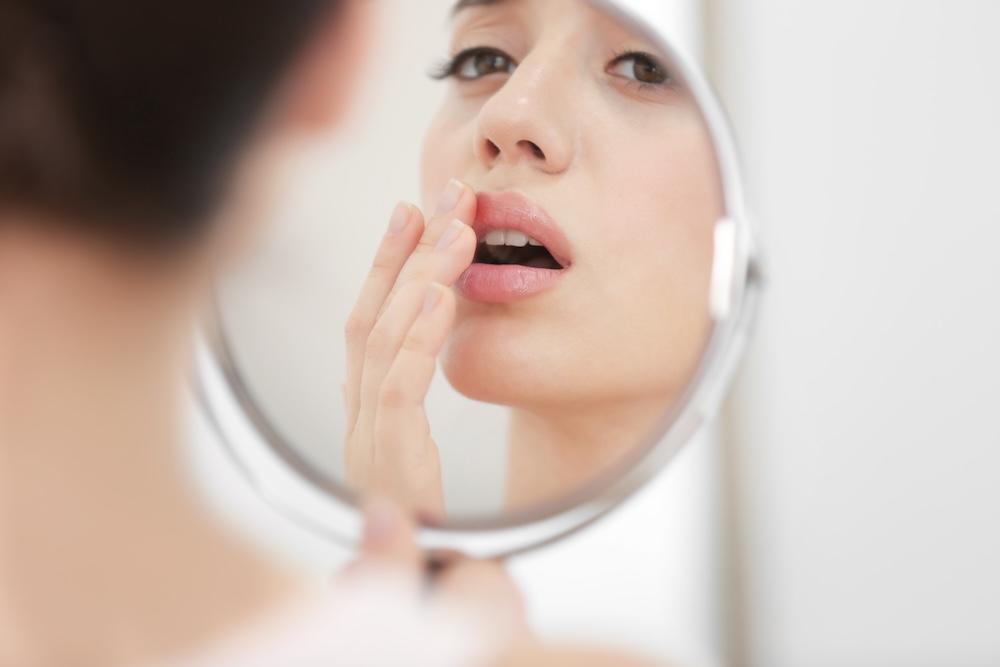
Woman looking in a mirror and touching a cold sore on her lip

Your dentist or doctor will determine what your sore symptoms indicate and whether you have a cold sore vs canker sore. Fever blister-like patches around the lips typically indicate a cold sore. However, if the sores are more inside your mouth, you probably have canker sores.

Oral Hygiene to Help Canker and Cold Sores

While not a direct cause, your oral hygiene routine plays a crucial role in managing canker and cold sores. A gentle yet thorough routine can help prevent trauma that may trigger canker sores, reduce the risk of secondary bacterial infections in any open sores, and promote a clean, healthy environment for faster healing.

By following a complete oral care routine, you can help nip these issues in the bud, for a stronger, healthier smile:

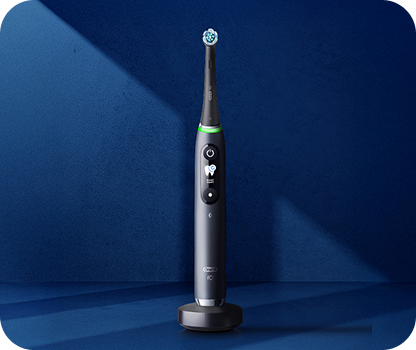
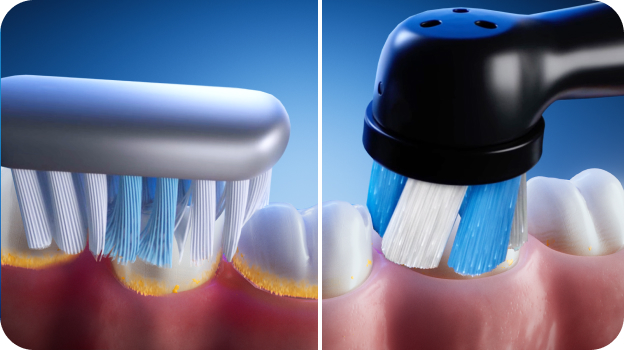
  • Brush 2X/day with an Oral-B iO Electric Toothbrush: An electric toothbrush, like an Oral-B iO, helps remove 100% more plaque than a regular manual toothbrush.T he dentist-inspired round brush head provides a thorough clean. For those prone to canker sores from trauma, the iO's Smart Pressure Sensor is a key feature, as it signals when you're brushing too hard, helping you to be more gentle on the soft tissues of your mouth.
  • Protect Your Smile with Crest Pro-Health Toothpaste: Make sure to brush twice a day with a stannous fluoride toothpaste. Not only does it help fight cavities and tooth decay, a Crest toothpaste formulated with stannous fluoride also keeps enamel strong, fights sensitivity, and offers round-the-clock protection from plaque buildup.
  • Rinse with Crest Pro-Health Mouthwash: Swishing with an alcohol-free antibacterial mouthwash like Crest Pro-Health Multi-Protection Mouthwash can help clean the mouth and kill germs without the burning sensation of alcohol, making it ideal for use when you have painful canker sores.
  • Pair String Floss with an Oral-B Water Flosser: Flossing once daily helps dislodge plaque and debris from between teeth. Adding a water flosser to your routine can help remove any leftover food particles and plaque buildup for an added layer of protection.

By following a gentle and thorough oral care routine and visiting your dental professional regularly, you can help manage the factors that contribute to mouth sores and maintain a healthy smile.

FAQs

  • Are canker sores the same as cold sores?
  • Is a canker sore a cold sore?
  • Can a common cold cause canker sores?
  • Can I kiss someone if I have a canker sore?

Sources

Table of Contents

  • Canker Sore vs Cold Sore
  • What Do Canker Sores and Cold Sores Look Like?
  • What Is a Canker Sore?
  • What Is a Cold Sore?
  • Diagnosis: Fever Blister vs. Cold Sore vs. Canker Sore
  • Oral Hygiene to Help Canker and Cold Sores

  • FAQs
  • Sources
drlee-image

This blog has been reviewed and approved by Dr Robert Lee, a dental professional of 35 years

LEARN MORE >

Related Products

1421