Impacted Tooth: Types, Signs, Symptoms & Treatment

Summary
Key Takeaways
- An Impacted tooth can grow in crooked and may not erupt past the gumline.
- Sometimes an Impacted tooth has symptoms as it grows in and sometimes it may go unnoticed.
- A dentist will determine what kind of Impacted tooth you have and how to treat it.
- If you have an Impacted tooth, keeping up with good oral hygiene can help avoid infections and other dental issues.
Table of Contents

This blog has been reviewed and approved by Dr Robert Lee, a dental professional of 35 years
LEARN MORE >Key Takeaways
Impacted teeth grow in abnormally and can cause tremendous pain and other dental issues if not treated quickly. However, sometimes teeth that are blocked from erupting fully from out of the gums are called impacted teeth, and they may not have any symptoms. Consult with your dentist if you have discomfort in your mouth and see teeth that are not fully erupting from the gums. They can inform you of the best treatment options and what may be going on in your mouth. Always keep up with your oral care routine to avoid tooth infections.
What Is an Impacted Tooth?

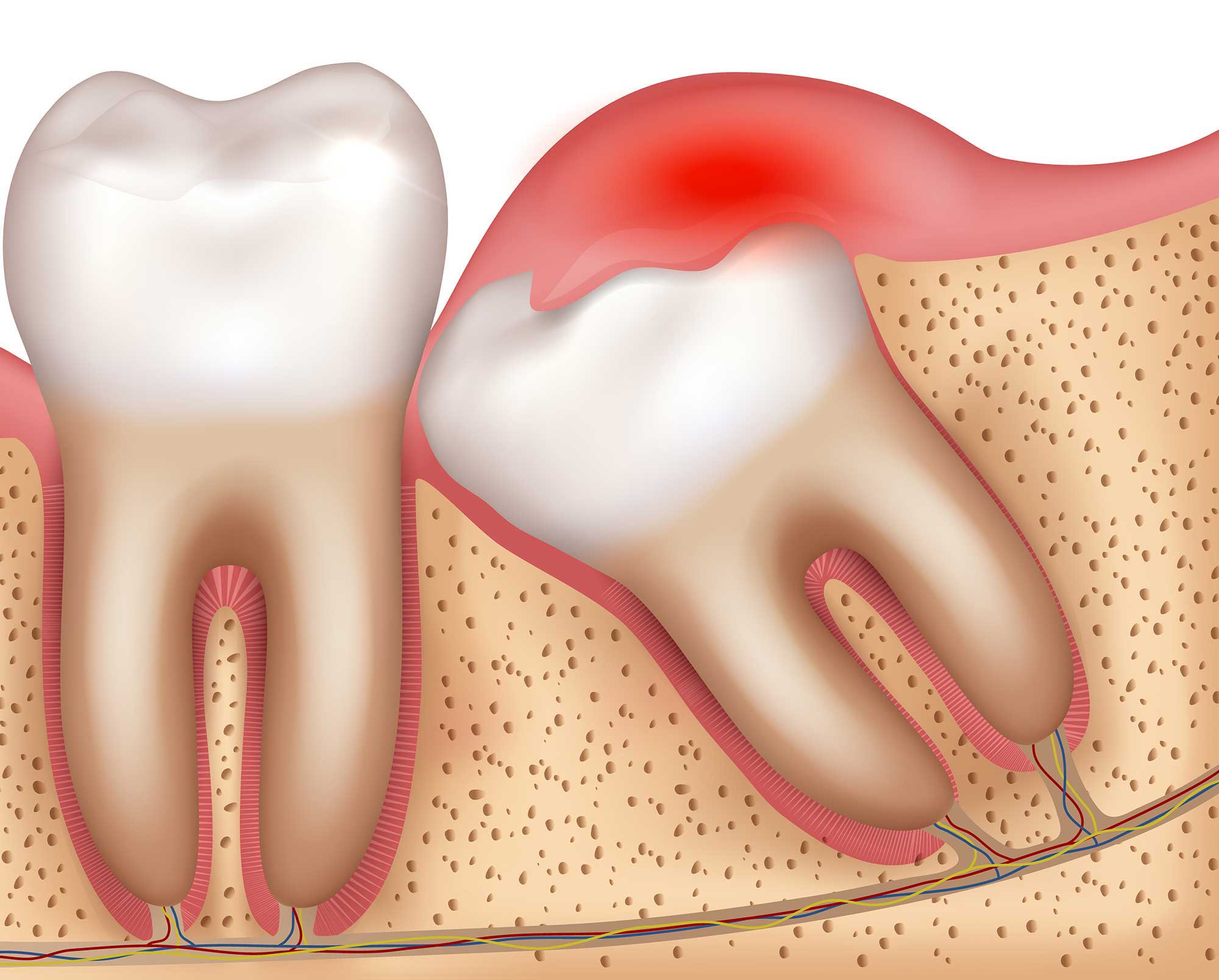
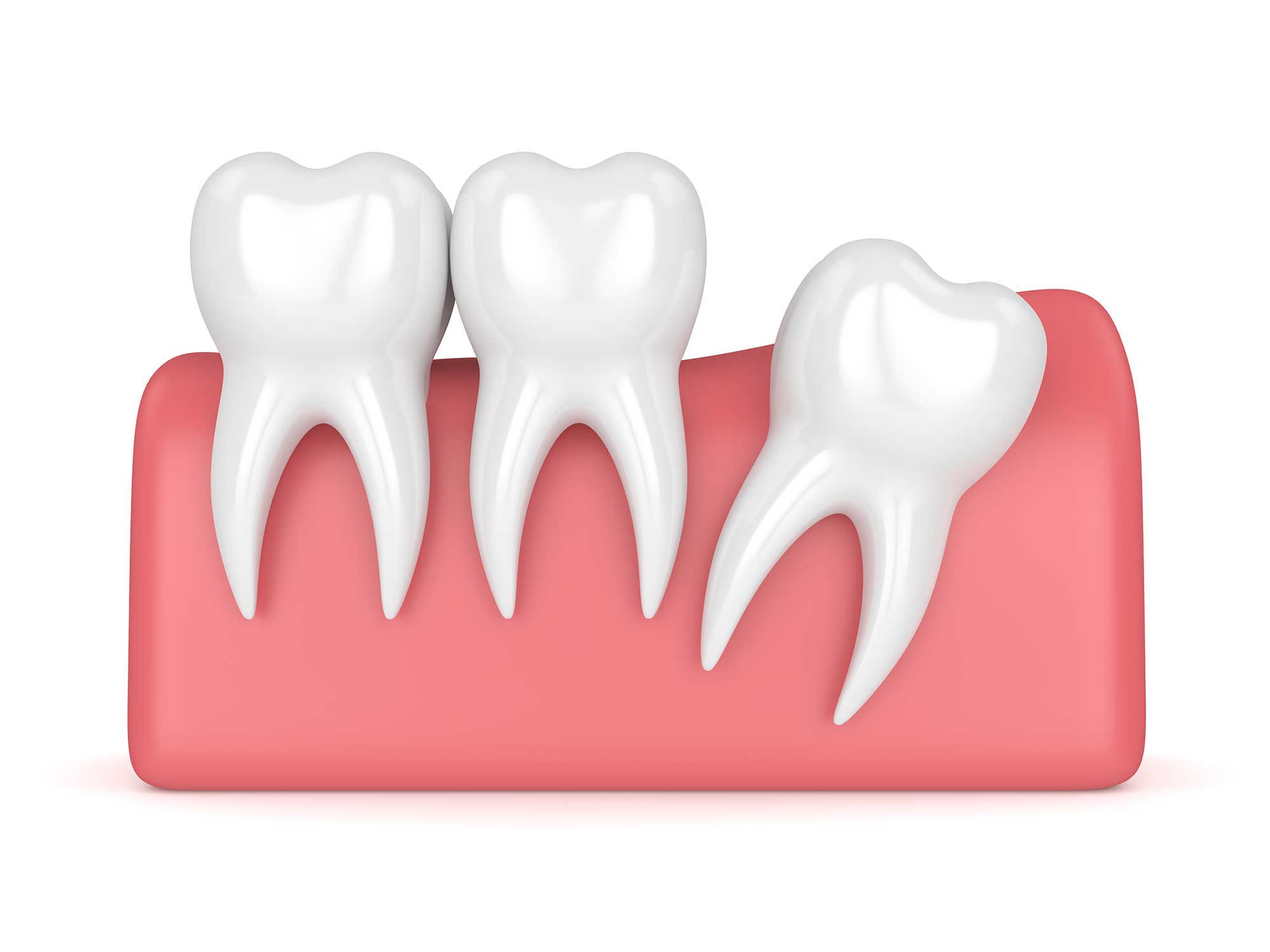
An impacted tooth is a tooth that gets stuck below the gumline or only partially breaks through because it is blocked by other teeth, bone, or soft tissue. The tooth can also be partially impacted and look as if it is trying to break through the gumline. This can happen as a result of whether there is sufficient space for the new tooth to grow in, tooth growing in crooked or if something is blocking the tooth.
Impacted teeth require a dentist or orthodontist to evaluate. Sometimes impacted teeth have no major impact on dental health and other times a dentist may recommend a tooth extraction or other treatment. What to do with an impacted tooth largely depends on how it affects your oral health.
When you notice an impacted tooth, get it looked at by a dentist because it can lead to infections or other dental issues in your mouth.
Are Impacted Teeth Common?
Impacted teeth are common to have as you grow up. About 9 out of 10 people have at least one impacted wisdom tooth by their early twenties. It is common to have dental surgery to either remove the wisdom tooth or help it grow in.
Impacted Tooth Signs and Symptoms
Impacted teeth have different signs and symptoms and varies based on your unique oral health condition. You may have an impacted tooth if you notice any of the following symptoms:
- Jaw pain
- Red, swollen gums
- Bad breath
- Hard time opening your mouth
- Headaches
Get to your dentist right away if you think you may have an impacted tooth or have any discomfort in your mouth. An impacted tooth can lead to other dental issues and should be looked at immediately.
- An impacted tooth can lead to cavities (especially in the adjacent tooth), gum disease, pericoronitis (inflammation and infection of the gum tissue around an impacted tooth), and more.
Impacted Tooth Treatment
Typically, a dentist will take x-rays to determine how to treat an impacted tooth. A dentist may need to extract the tooth, depending on how it is growing. Your dentist will look into your mouth and determine the proper treatment for your impacted tooth and anything else that may be the source of concern in your mouth.
- Extracting an impacted tooth is a common treatment dentist may recommend.
Go see your dentist or dental hygienist regularly for dental cleanings and exams, especially when new teeth are growing in. Taking good care of your oral health and brushing and flossing daily can also help you notice if any other tooth symptoms show up.
Types of Impacted Teeth

The main types of impacted teeth are:
- Soft tissue impaction
- Partial bony impaction
- Full bony impaction
Impacted teeth are also categorized by the direction they grow. These include:
- Mesial: Angled toward the front of the mouth—the most common type.
- Vertical: Upright but trapped below the gumline.
- Horizontal: Lying completely on its side.
- Distal: Angled backward toward the rear of the mouth.
Your dentist can give you more information about your impacted tooth, what kind it is and what treatment they recommend.
Oral Health Issues and How to Prevent Them
Common oral health issues can include cavities and tooth decay, gum disease, staining, and sensitivity. The main culprit of which is often plaque buildup—a sticky film of bacteria that forms on teeth. If not treated, these conditions can lead to tooth loss and may even affect your overall health.
By following a complete oral care routine, you can help nip these issues in the bud, for a stronger, healthier smile:
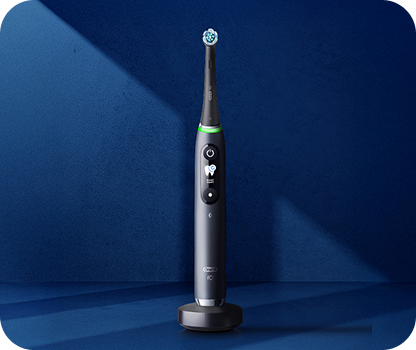
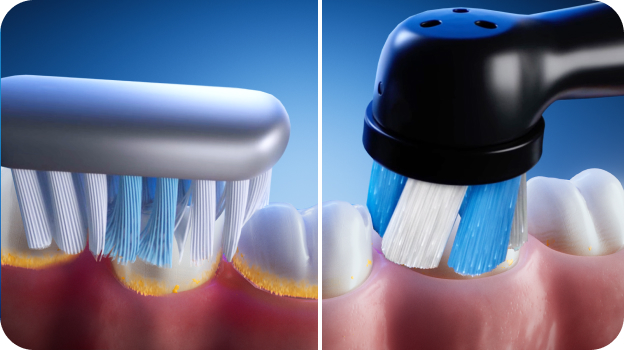
- Brush 2X/day with an Oral-B iO Electric Toothbrush: An electric toothbrush, like an Oral-B iO, helps remove 100% more plaque than a regular manual toothbrush. The dentist-inspired round brush head surrounds each tooth as it adapts to the curves of teeth and gums to ensure a cleaner, healthier smile—even in hard-to-reach areas.
- Protect Your Smile with Crest Pro-Health Toothpaste: Make sure to brush twice a day with a stannous fluoride toothpaste. Not only does it help fight cavities and tooth decay, a Crest toothpaste formulated with stannous fluoride also keeps enamel strong, fights sensitivity, provides lasting protection against plaque bacteria with twice-daily brushing.
- Rinse with Crest Pro-Health Mouthwash: Swish with an antibacterial mouthwash like Crest Pro-Health Mouthwash to help kill plaque bacteria, support gum health, and rinse away loosened food particles, leaving your mouth feeling clean and fresh.
- Pair String Floss with an Oral-B Water Flosser: Flossing once daily helps dislodge plaque and debris from between teeth. Adding a water flosser to your routine can help remove any leftover food particles and plaque buildup for an added layer of protection.
By following a thorough oral care routine at home and visiting your dental professional at least twice a year, you can reduce the risk of developing tooth decay, gum disease, and protect your smile for years to come.
FAQs
-
What does an impacted tooth mean?
-
How serious is an impacted tooth?
-
Should impacted teeth be removed?
-
What happens if you don't fix an impacted tooth?
Sources
- https://my.clevelandclinic.org/health/diseases/impacted-tooth
- https://www.webmd.com/oral-health/what-to-know-tooth-impaction
- https://my.clevelandclinic.org/health/diseases/22296-impacted-wisdom-teeth
- https://aaoinfo.org/whats-trending/what-is-an-impacted-tooth/
- https://www.ada.org/resources/ada-library/oral-health-topics/home-care
- https://www.cdc.gov/oral-health/prevention/oral-health-tips-for-adults.html
- https://my.clevelandclinic.org/health/treatments/16914-oral-hygiene
- https://www.mayoclinic.org/healthy-lifestyle/adult-health/in-depth/dental/
- www.nidcr.nih.gov
- Biesbrock, A. R., et al. (2025). Randomized clinical trial evaluating kinetic benefits of desensitizing agents: Magnitude, onset, and stability of relief. Journal of periodontology, 10.1002/JPER.24-0688. Advance online publication. https://doi.org/10.1002/JPER.24-0688
- He, T., et al. (2022). Novel findings on anti-plaque effects of stannous fluoride. American Journal of Dentistry, 35(6), 297-307. https://pubmed.ncbi.nlm.nih.gov/36508185/
- Kiesow, A., et al (2024). High-Resolution Characterization of Enamel Remineralization Using Time-of-Flight Secondary Ion Mass Spectrometry and Electron Microscopy. Caries Research, 58(4), 407-420. https://doi.org/10.1159/000535979
- Zou, Y., et al. (2024). A meta-analysis comparing toothbrush technologies on gingivitis and plaque. International Dental Journal, 74(1), 146-156. https://doi.org/10.1016/j.identj.2023.06.009
Table of Contents
- What Is an Impacted Tooth?
- Are Impacted Teeth Common?
- Impacted Tooth Signs and Symptoms
- Impacted Tooth Treatment
- Types of Impacted Teeth
- Oral Health Issues and How to Prevent Them
-
- FAQs
- Sources

This blog has been reviewed and approved by Dr Robert Lee, a dental professional of 35 years
LEARN MORE >
Sign Up
for gum care tips, expert advice, and exclusive offers.
Sign Up
for gum care tips, expert advice, and exclusive offers.