White Gums: Causes, Symptoms, And Treatments

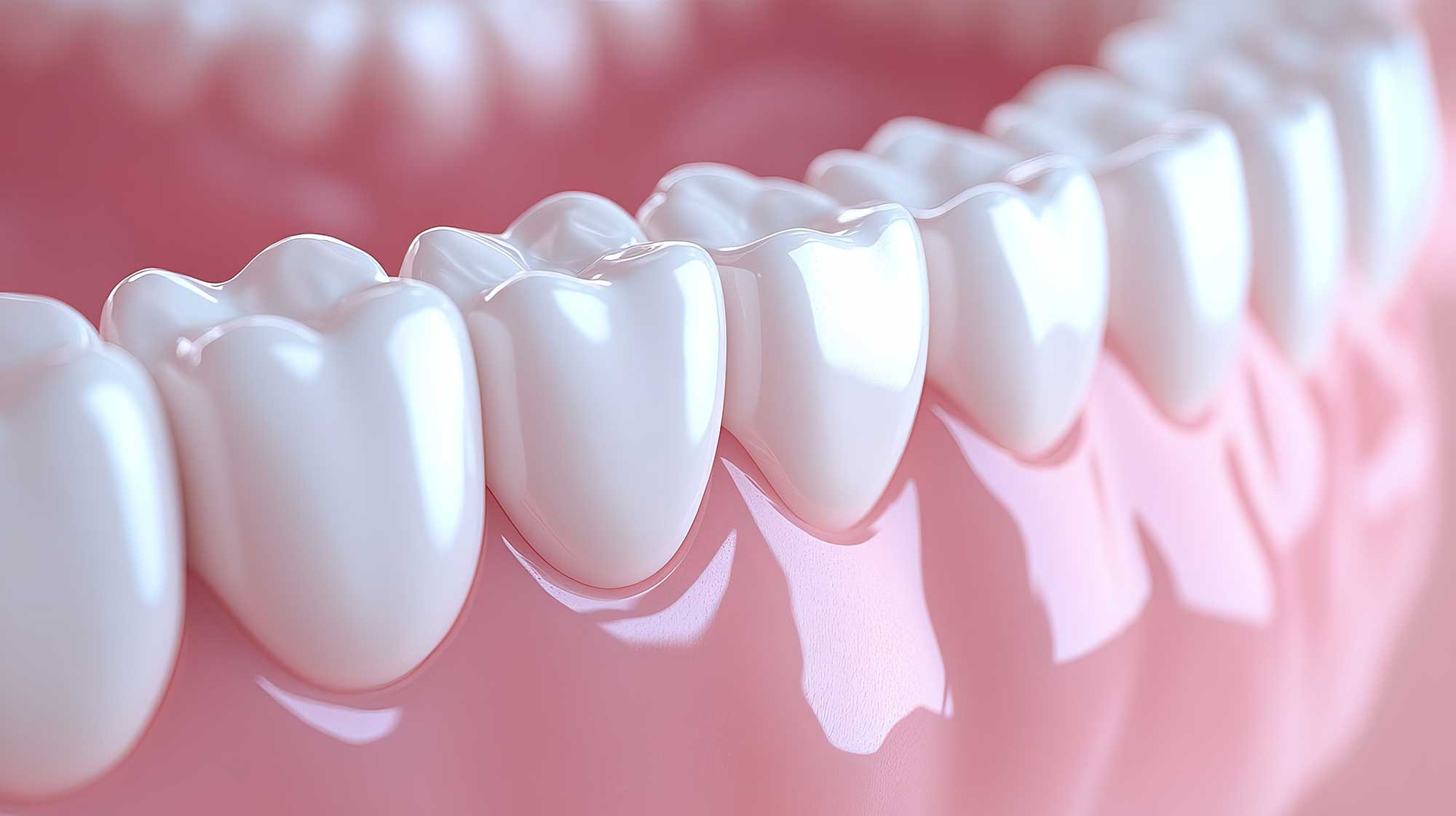
A detailed close-up of immaculate human teeth shining with health against perfectly pink gums
Last Updated : December 4, 2025

SUMMARY

Healthy gums are typically a pinkish tone and if you notice white gums in your mouth, be sure to monitor it. White gums can be a sign of dehydration or inadequate oral care. However, they can also be a symptom of other health conditions, especially if you notice other issues or pain in your mouth. While white gums can sometimes be addressed by improving your oral hygiene routine, which includes effective brushing and flossing, it's important to identify the root cause. Be sure to consult your dentist if you notice white gums long term and if you have other symptoms.

Key Takeaways

  • Healthy gums are pinkish and if you notice your gums are whiter, be sure to monitor your oral care and symptoms.
  • White gums can lead to bigger health and oral issues and it’s best to consult a dentist to get proper diagnosis and treatment.
  • Other symptoms that may accompany white gums are swollen gums, canker sores, paleness, oral thrush or other irritations or bumps in your mouth.
  • There are a variety of causes that create white gums. Monitoring and taking care of your diet, hydration, and oral care are key.
  • A dentist can diagnosis white gums and symptoms best and lead you to treatment and recovery.

Table of Contents

drlee-image

This blog has been reviewed and approved by Dr Robert Lee, a dental professional of 35 years

LEARN MORE >

Key Takeaways


White gums can indicate a variety of conditions and may have different meaning and severity. Normal, healthy gums are pinkish and serve the purpose of holding your pearly whites intact. Although, there are times when you may look in the mirror and notice your gums look a bit whiter or pale, compared to the pink tone you are used to. White gums are nothing to freak out about initially, however, they are something to watch. If you notice other symptoms with your white gums, absolutely consult your dentist. White gums can reveal information about your overall health and as factors like your diet and oral hygiene habits can influence their appearance. Maintaining proper oral hygiene and getting routine dental cleanings can help your gum health and ensure your mouth and teeth are looking great! Learn more about white gums and get tips from Oral-B to help your gum health and answer your questions about white gums and what to do when you notice them.

White Gums

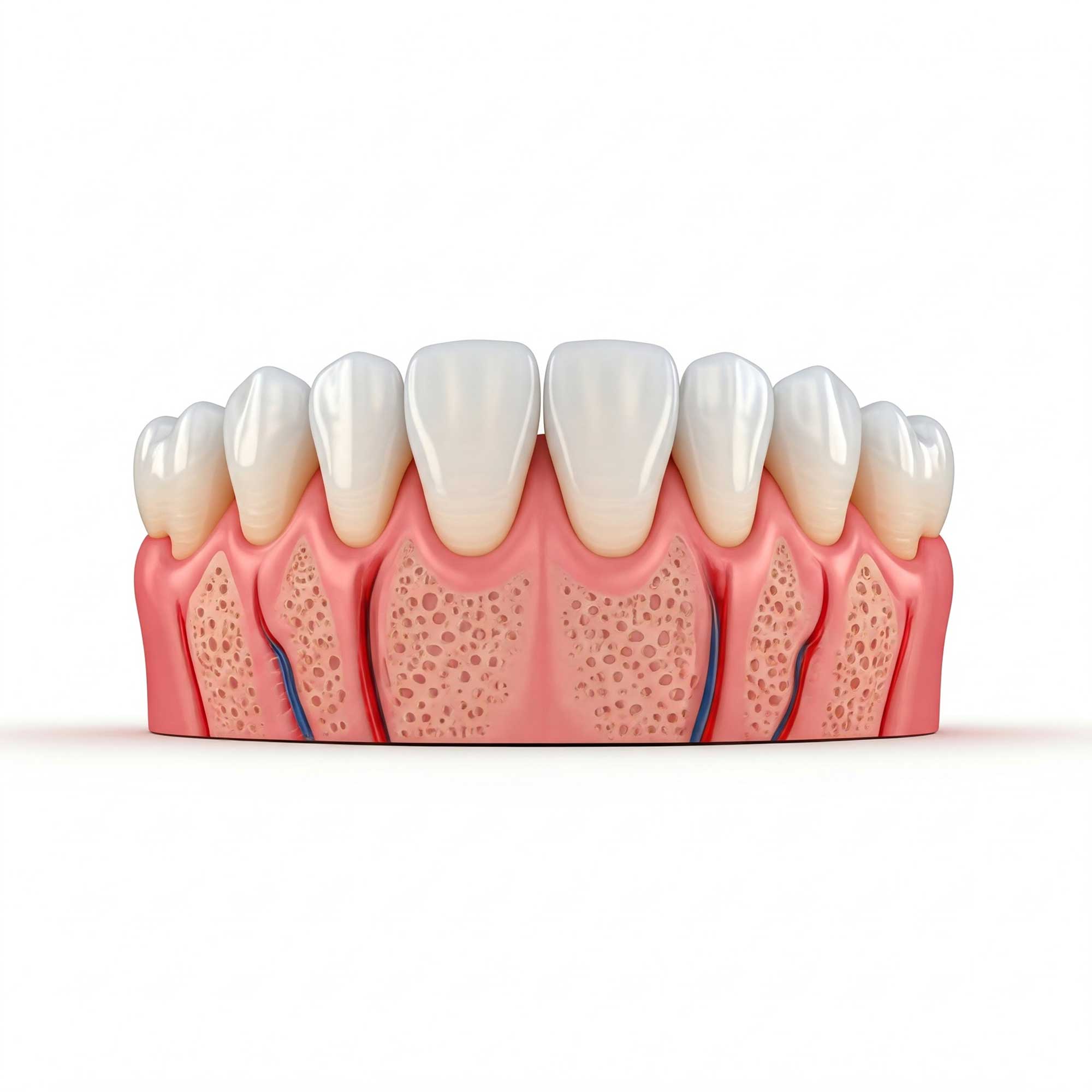
3d illustration of white teeth with red and white gums

The body responds to how you treat yourself and what you feed yourself. Your gumline and gum health is no different. Your normal pinkish gums may shift in color and tones and may even look whiter at times. Sometimes poor diet and lack of oral hygiene and poor brushing of your teeth may result in white gums. However, having white gums may indicate other issues. White gums are something to watch, especially if they don’t go away or if you have other symptoms.

White Gum Symptoms

While maintaining a consistent oral hygiene routine is crucial for prevention and overall gum health, the first step to addressing existing white gums is to identify the underlying cause with the help of a dental professional. Having white gums can symbolize something else is going on with your oral health. If you notice other symptoms with white gums, be sure to see your dentist or doctor. Other concerning symptoms that may be present with white gums are headaches, tooth pain, or general discomfort in your mouth.

White gums may be a symptom of other oral and health conditions:

  • Gingivitis – bacterial infection of the gums, maybe shown with red, inflamed or swollen gums.
  • Canker Sores – oval sores in your mouth that may look white or yellow that can heal within 2-4 weeks.
  • Anemia – happens with low blood flow and may happen with low iron, Vitamin B-12 and diet. May make you feel weak or pale too.
  • Oral Candidiasis – aka oral thrush is a yeast infection in your mouth. Sometimes this needs antifungal medication to heal.
  • Leukoplakia – shows up as thick, white patches inside the mouth that cannot be scraped off. It is often associated with tobacco and alcohol use. Because it can be a precancerous condition, any suspected signs of leukoplakia should be evaluated by a dentist immediately.
  • Oral Cancer – serious condition shown as small, flat, white, red or flesh colored bumps in your mouth. Consult a dentist if you notice any symptoms.

White Gum Causes and Reasons

White gums can be caused by dehydration, diet and lifestyle. Typically, a leading cause of white gums is lack of oral hygiene and care. However, it may indicate other oral conditions or more serious health concerns. If white gums persist or you notice other symptoms be sure to consult with your dentist or doctor! They can also help you understand the causes of your symptoms.

Pale Gums and Causes

Having pale gums can be a sign of anemia, often caused by an iron deficiency, and may be helped with diet changes or supplements after consulting with a medical professional. However, if you have pain or other symptoms it could show other health issues. Sometimes pale gums indicate anemia, also caused by an iron deficiency, when the body does not get oxygen rich blood. Be aware if you have other symptoms with pale gums, such as weakness, headaches or pale or yellow skin or eyes.

White Gum Diagnosis and Treatments

If you notice you have white gums, keep an eye on how long they last and be on the lookout for other symptoms, especially in your mouth. Monitoring white gums and watching for other symptoms can help you know how concerning your condition is. A dentist will ultimately be the best person to diagnosis and treat white gums and other dental symptoms and ensure there are no other health issues, such as anemia, leukoplakia or types of cancer.

  • Staying hydrated and eating healthy can help avoid white gums and pale gums.

Consistent Oral Hygiene Helps Gum Health

Healthy gums are crucial to tooth and mouth health. In the event of gum disease (also known as gingivitis), the first line of defense is to see a dental professional. They can do a proper examination, determine the level of periodontal disease, and recommend treatments. But there are things you can do to help.

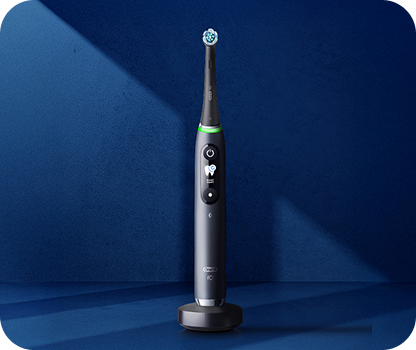
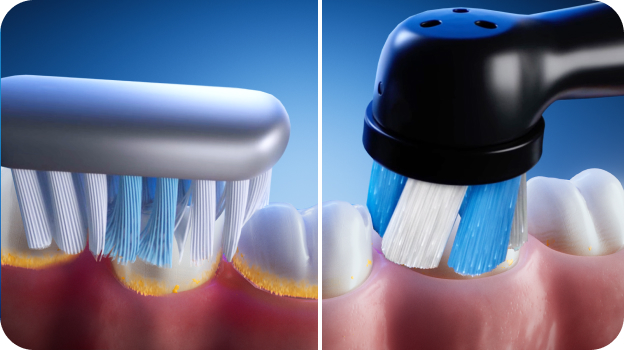
  • When you brush with Oral-B iO electric toothbrushes, you can protect your gums and help prevent further gum recession. Oral-B iO helps you avoid new tooth and gum issues— and if you have existing gum problems like gingivitis, it can help improve your gum health quicker than a manual toothbrush.
  • The right brush head also makes a big difference in effective cleaning without gum irritation. Pair your toothbrush with an Oral-B Gentle Care brush head, which is designed to provide an effective cleaning while being gentle on sensitive areas and gums.
  • Crest Toothpaste contains stannous fluoride which fights the plaque bacteria that cause gum disease. Pair that with an Oral-B iO electric toothbrush to help reduce gum bleeding and reverse early signs of gum disease.
  • The best mouth rinses, like Crest Pro-Health Multi-Protection Mouthwash, are clinically proven to provide
    24-hour protection against plaque and gingivitis with twice-daily use.
  • Dental floss, used daily, helps prevent gingivitis as part of a complete dental plan. Look for a floss that can fit more easily into tight spaces, such as Glide Floss.

There is a connection between oral health and systemic health. That’s why, beyond helping with issues such as tooth decay, gum disease and tooth loss, our products can help prevent and reduce plaque bacteria before they spread to other parts of the body.

FAQs

  • Why is my gum white?
  • Why is there a white spot on my gum?
  • What does it mean when gums are white?
  • Do gums turn white when healing?
  • Do white gums mean dehydration?

Sources


Chen, C. K., et al. (2017). Association between chronic periodontitis and the risk of Alzheimer’s disease: A retrospective, population-based, matched-cohort study. Alzheimer’s Research & Therapy, 9, 56.https://doi.org/10.1186/s13195-017-0282-6

Goyal, C. R., et al. (2021). A 6-month randomized controlled trial evaluating a novel smart-connected oscillating-rotating toothbrush versus a smart-connected sonic toothbrush for the reduction of plaque and gingivitis. American Journal of Dentistry, 34(1), 54-60.https://pubmed.ncbi.nlm.nih.gov/33544990/

Grossi, S. G., et al. (1998). Periodontal disease and diabetes mellitus: A two-way relationship. Annals of Periodontology, 3, 51-61.https://doi.org/10.1902/annals.1998.3.1.51

Janket, S. J., et al. (2003). Meta-analysis of periodontal disease and risk for coronary heart disease and stroke. Oral Surgery, Oral Medicine, Oral Pathology, Oral Radiology, and Endodontology, 95, 559-569.https://doi.org/10.1067/moe.2003.107

Klukowska, M., et al. (2017). Clinical Effects of Stabilized Stannous Fluoride Dentifrice in Reducing Plaque Microbial Virulence I: Microbiological and Receptor Cell Findings. The Journal of Clinical Dentistry, 28(2), 16–26.

Natarajan, P., et al. (2025) Investigating the link between oral health conditions and systemic diseases: A cross-sectional analysis. Scientific Reports. 15; 10476.https://doi.org/10.1038/s41598-025-92523-6

Sutor, S., et al. (2025). Effect of a powered and a manual toothbrush in subjects susceptible to gingival recession: A 36-month randomized controlled clinical study. International Journal of Dental Hygiene, 23(1), 26–36.https://doi.org/10.1111/idh.12834

Table of Contents

  • White Gums
  • White Gum Symptoms
  • White Gum Causes and Reasons
  • Pale Gums and Causes
  • White Gum Diagnosis and Treatments
  • Consistent Oral Hygiene Helps Gum Health

  • FAQs
  • Sources
drlee-image

This blog has been reviewed and approved by Dr Robert Lee, a dental professional of 35 years

LEARN MORE >

Related Products

1421