











Different Types of Stains on Teeth and How to Remove Them

Summary
Stained teeth can occur for several reasons, from age to red wine or smoking. The color of your tooth stain will depend on the cause of it and can act as a signifier of an underlying condition that needs treatment.
In this article, we will discuss the most common causes of stained teeth, what the various types of stains on teeth can signify, and the best ways to treat stained teeth.
Key Takeaways
- Takeaway #1: Tooth stains are common and can happen for a variety of reasons (both preventable and non-preventable).
- Takeaway #2: While your dental team can help whiten teeth, you do not always need an in-office procedure for every type of tooth stain, as many effective at-home options are available.
- Takeaway #3: You can help prevent teeth stains by adjusting habits, dietary choices and paying attention to oral care.

Table of Contents

This blog has been reviewed and approved by Dr Robert Lee, a dental professional of 35 years
LEARN MORE >Key Takeaways
What is Tooth Discoloration
Tooth discoloration simply refers to a change in the color of a tooth, or teeth, within your mouth. A color change can reflect stained teeth surfaces that can come from factors including diet and smoking or a change in the mineral content of the tooth itself.
While some factors that cause stained teeth, including dietary reasons and lifestyle choices, are avoidable, others, including age and disease, are not. Most people will experience stained teeth at some point in their lives, but thankfully, many effective treatment and prevention methods exist.
Types of Tooth Discoloration
Stained teeth are generally categorized in one of three ways by medical professionals, these are:
- Extrinsic discoloration: This refers to discoloration or stains on tooth enamel (the outer surface of the tooth). Enamel comes into contact with anything put into the mouth and, over time, can absorb color from stain-causing food and drinks or smoking. As these stains are not part of the inner tooth material, they are the easiest to remove.
- Intrinsic Discoloration: This refers to a type of discoloration that begins within the tooth, in a layer called the dentin. If particles make their way past the enamel on a tooth, they can stain the inside of it, creating intrinsic discoloration. It can be caused by oral trauma as well as disease and potentially excessive ingestion of fluoride. These stained teeth will be harder to recolor.
- Age-Based Discoloration: This is a combination of factors. Over time, your outer enamel thins, allowing the naturally darker, yellower dentin underneath to show through more prominently. Despite how well you may have taken care of your teeth, yellow teeth can happen with age.

Causes of Tooth Stains
The question 'what causes yellow teeth' has a near countless number of answers. Our mouths come into contact with so much as we go through our lives, and many of our favorite foods and drinks are capable of causing stained teeth.
The following factors are some of the most common causes of stained teeth:
- Smoking: The tar and nicotine in tobacco products are notorious for causing stubborn yellow and brown stains on teeth over time. If you are wondering 'does vaping stain teeth' the research is mixed; some studies have shown it can do so, but results are inconclusive.
- Neglecting Oral Care: Inadequate brushing and flossing allow stain-causing plaque to build up on your teeth. If not removed, this plaque can harden into tartar, which is often yellow or brown and can only be removed by a dental professional.
- Age: Dentin in your teeth discolors naturally as you age, meaning yellow teeth are common in elderly people, even with adequate care.
- Genetics: Your natural tooth color is unique, and some people may find they have naturally duller teeth than others.
- Food and Drink: Darker foods and drinks can discolor teeth. Coffee, red wine, soy sauce, and tea can all be what causes teeth to yellow.
- Excess of Fluoride: Though fluoride is a useful way to protect teeth from cavities, excessive use can contribute to a condition called fluorosis, which causes white spots on teeth.
- Oral Treatments: Some dental treatments, including fillings and root canals, can cause teeth to discolor slightly.
- Medication: Drugs for high blood pressure and antihistamines can cause teeth to turn yellow.
- Cancer Treatment: Chemotherapy and radiotherapy can both stain teeth if a person undergoes them for a significant period.
- Oral Trauma: Injuries from falls, surgeries, or any type of accident that affects the mouth can affect the color of your teeth.
What Colors of Teeth Stains Mean
If you notice that you have some stained teeth, then the color of the stains may help you determine the cause. Though not always accurate, the following guide may help you determine the cause of your stained teeth:
- Yellow Teeth: Typically, yellow teeth come from the consumption of dark-colored food and drinks, smoking, and neglecting oral care.
- Brown Teeth: Brown and darker yellow teeth are usually attributable to smoking or other nicotine products and tooth decay.
- Purple Teeth: In rare cases, excessive consumption of red wine can lead to purple teeth.
- Gray Teeth: If the nerve within your tooth dies, it may cause the tooth to appear grayish and faded.
- White Spotted Teeth: These can be a sign of fluorosis (from excessive fluoride ingestion during tooth development) or early enamel demineralization, which is the first stage of a cavity.
Treating Tooth Stains
If your teeth are yellowing or discolored, it is perfectly natural to wonder how to remove stains from teeth. To remove teeth stains, you can visit a dentist, dental hygienist or try various at-home treatment methods. The following methods are some of the most common ways in which people remove teeth stains:
Dental Care
Your dentist or dental hygienist can help remove teeth stains in several ways, these include
- Specialized Teeth Whitening Procedures:
- Veneers:
- Dental Crowns:
- Dental Bonding:
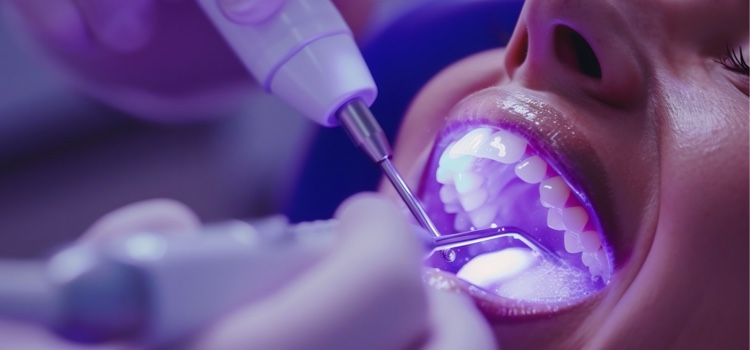
For extrinsic stains, your dentist may offer you a professional whitening procedure. In-office teeth whitening uses chemicals such as hydrogen peroxide or carbamide peroxide to remove stains on your teeth and can even remove intrinsic stains if stronger products are used. This procedure can be completed in just an hour.
Dentists also offer custom-fitted trays for at-home teeth whitening. This treatment typically involves applying a professional-strength whitening gel in the trays for a prescribed amount of time each day, often for one to two weeks.
In cases where teeth whitening is not sufficient or not yielding the desired results, veneers offer a permanent way to hide teeth stains.
Veneers are tooth-colored ceramic shells that are glued to the front of your teeth to improve their appearance and hide the discoloration. With proper care, veneers may need to be replaced every 10 to 20 years.
In cases where yellow teeth are caused by cavities or faulty fillings, your dentist may recommend a dental crown. Though dental crowns were not designed specifically as a solution for how to whiten teeth, they do improve cosmetic appearance.
A dental crown is a tooth-shaped cap that is fitted over a tooth to protect it from oral trauma, restore function and, in this instance, improve its appearance.
Dental bonding uses tooth-colored resin to cover discolored teeth. It is an effective method of having whiter teeth but is most useful for a single tooth or, at the most, a few yellow teeth. Dental bonding requires a touch-up every 5-7 years.

How to Whiten Teeth at Home
There is no best way to whiten teeth, with each method having its unique pros and cons. If you decide that professional teeth whitening is not the route for you, there are several effective at-home methods you can use to help remove teeth stains. these include:
- Teeth Whitening Strips:
- Teeth Whitening Toothpaste:
- Teeth Whitening Pens:
Teeth whitening strips are an easy-to-use teeth whitening method. Small adhesive strips containing whitening gel are placed over the discolored teeth and left in the mouth for as long as their individual instructions dictate.
Continued use of teeth whitening strips can yield effective long-term results and help recolor stained or yellow teeth.
Certain toothpastes are specially formulated to break down stains on teeth and help whiten them. Replacing your current toothpaste with one of these specialized gels can help whiten teeth in the long term and does not require any additional steps in your oral care routine.
Whitening pens are filled with teeth whitening gel that can be applied directly to areas of discoloration on your teeth. This gel is then brushed on and helps recolor darkened or yellow teeth.
Differences Between Teeth Whitening and Stain Removal
Though they may sound similar, the procedures for teeth whitening and teeth stain removal are different and yield different results:
- Teeth Stain Removal: This is a simple procedure that helps remove extrinsic stains. It is often part of a dental hygiene appointment and completed by using airflow or polish to remove surface stains and leave teeth brighter and cleaner in the short term.
- Teeth Whitening: Teeth whitening changes the color of the teeth in the long term. It can remove extrinsic and, in some cases, intrinsic stains. It requires a special appointment or consistent at-home treatment.
Preventing Tooth Stains
Reducing your risk of tooth stains to zero is sadly impossible, but some lifestyle changes can reduce your chances of discolored and yellow teeth significantly. Positive changes to implement include:
- Keeping on top of oral care and brushing your teeth twice a day and flossing
- Limit your consumption of darker foods more likely to stain teeth (coffee, red wine, soy sauce, etc.)
- Limit your intake of smoke or stop smoking completely
- Regularly visit your dentist or dental hygienist
- Stay hydrated and rinse your mouth after consuming any potentially teeth-staining foods
Protect Your Smile with Oral-B
When it comes to preventing and removing stains on teeth, a powerful oral care routine is key.
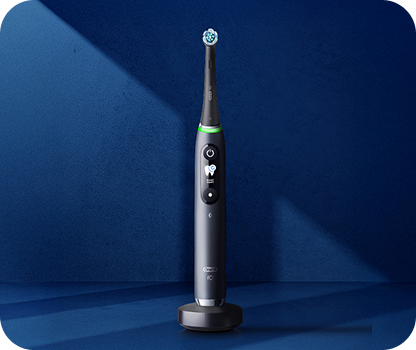
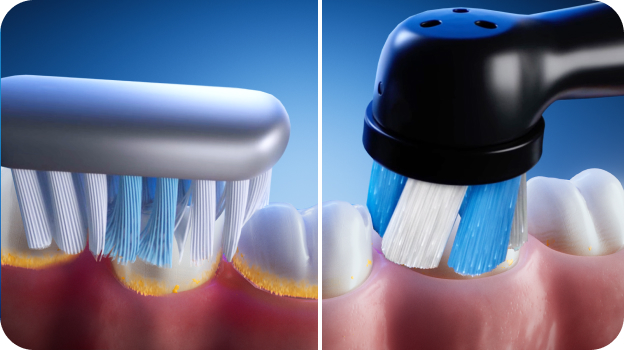
Start by upgrading your brushing. The Oral-B iO Series is engineered to deliver a professional-clean feel, with micro-vibrating bristles that help gently polish away surface stains for a brighter smile. For even more whitening support, pair your brush with a specialized toothpaste. Crest 3D White Brilliance is formulated to help remove up to 100% of surface stains in just 3 days, revealing a whiter smile and protecting against future stains.
Combining the cleaning action of an Oral-B iO toothbrush with the whitening technology of a Crest 3D White toothpaste gives you an at-home approach to addressing daily surface stains and supporting a brighter smile.**
FAQs
-
Can all stains be removed with whitening toothpaste?
-
What foods and drinks cause the most stains?
-
How can I prevent teeth stains?
Sources
- https://my.clevelandclinic.org/health/ symptoms/10958-tooth-discoloration
- https://www.healthline.com/health/tooth-discoloration
- https://crest.com/en-us/oral-care-tips/teeth-stains/teeth-stains-causes-types-how-remove-teeth-stains
- https://www.dentaly.org/us/teeth-whitening/vaping-stain-teeth/
- Grender, J., et al. (2022). Gingival health effects with an oscillating-rotating electric toothbrush with micro-vibrations and a novel brush head designed for stain control: Results from a 12-week randomized controlled trial.. American Journal of Dentistry, 35(5), 219–226.
- Timm, H., et al. (2023). Superior stain prevention efficacy of an electric toothbrush whitening brush head. Journal of Dental Research, 102, 0934.
Table of Contents
- What is Tooth Discoloration
- Types of Tooth Discoloration
- Causes of Tooth Stains
- What Colors of Teeth Stains Mean
- Treating Tooth Stains
- How to Whiten Teeth at Home
- Differences Between Teeth Whitening and Stain Removal
- Preventing Tooth Stains
- Protect Your Smile with Oral-B
-
- FAQs
- Sources

This blog has been reviewed and approved by Dr Robert Lee, a dental professional of 35 years
LEARN MORE >
Sign Up
for expert advice and exclusive offers
Sign Up
for expert advice and exclusive offers