Dr Robert Lee is a dentist with more than thirty years of experience in the industry.
Graduating from the University of Sydney with a Bachelor of Dental Surgery and from the
University of New South Wales with a Master of Business Administration, Robert’s career
has taken him all over the world — from Australia to Germany to his current position in
Chicago, where he is the founder of Denticus Inc, offering strategic dental consulting.
Robert has previously worked for Procter & Gamble as the Director of Professional Scientific
Relations in both the Cincinnati and Sydney offices, being responsible for external relations
and scientific exchange with leading professional associations and industry thought leaders.
Robert has been assisting the team at Oral‑B by fact‑checking and reviewing our blogs on dental health.
Contents
What is a Cavity?
What Does a Cavity Look Like?
What Causes Cavities?
Signs and Symptoms of Cavities
Cavity and Tooth Decay Treatments
How to Prevent Cavities and Tooth Decay
Kick Cavities to the Curb with Oral-B!
Related Articles
FAQs
References
Quick hit key takeaways
1
Tooth decay and cavities are caused by bacteria in plaque that produce acids that demineralize (dissolve the minerals from) the enamel on the outside of your teeth. If left untreated, the acids will reach the dentin and, eventually, the pulp of the tooth.
2
Several factors can cause or contribute to cavities, including your diet, poor oral hygiene, dry mouth, and receding gums.
3
Symptoms of cavities and tooth decay include tooth sensitivity or toothache, discoloration, visible holes or pits, bad breath, and a bad taste in your mouth.
4
Cavity treatment options include fluoride treatments, fillings, crowns, root canals, or tooth extraction.
5
You can prevent cavities and tooth decay by maintaining a good oral hygiene routine, using an electric toothbrush, using stannous fluoride toothpaste, visiting your dentist twice per year, limiting sugary and starchy foods and drinks, and drinking plenty of water.
Summary
Cavities and tooth decay are common dental problems, but the good news is both are treatable. In this article, we'll discuss causes and symptoms of tooth decay and cavities as well as treatment options for a healthier smile.
What is a Cavity?
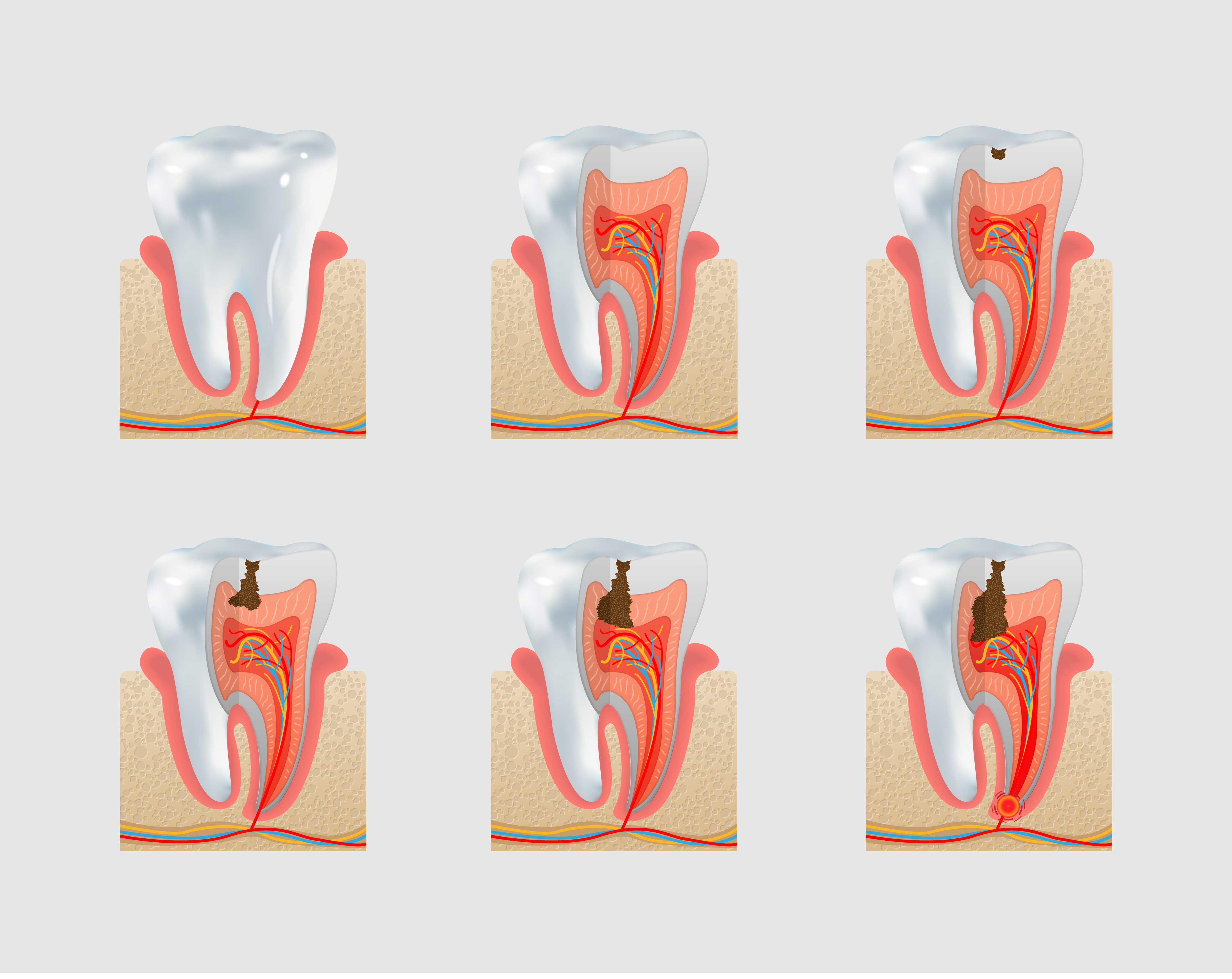
A cavity is a hole in your tooth caused by tooth decay. Cavities develop when bacteria in your mouth consume sugars from food and drinks, producing acids that gradually erode (dissolve the minerals from) the enamel, the protective outer layer of your teeth.
This erosion exposes the softer, more vulnerable dentin layer underneath your enamel to bacteria, eventually creating a hole (or cavity) in your tooth.
If untreated, tooth decay can reach the pulp — the deepest part of the tooth that holds nerves and blood vessels — potentially causing severe pain, swelling, abscesses, or even tooth loss.
What Does a Cavity Look Like?
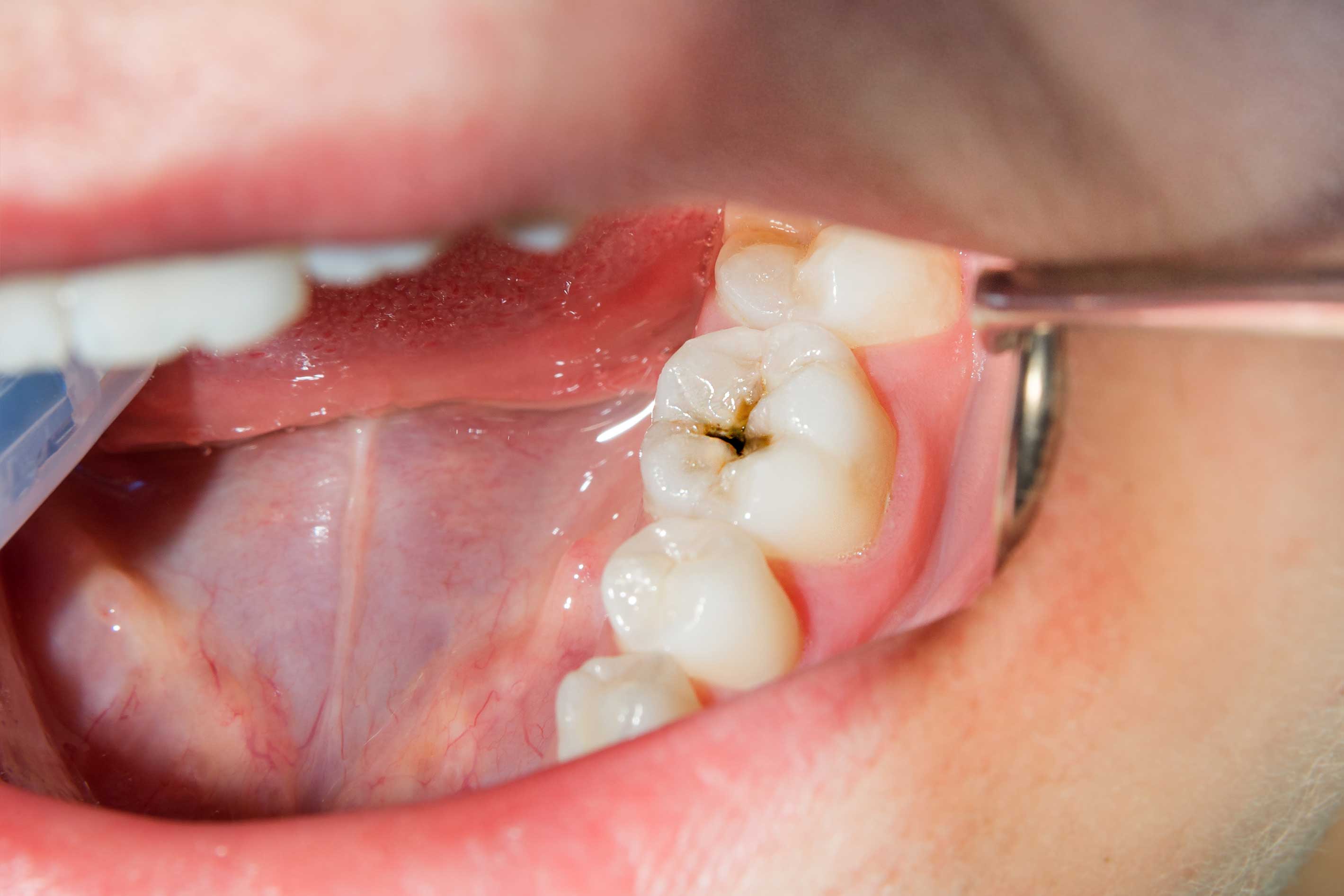
The appearance of a cavity depends on the severity of the tooth decay. In the early stage of decay, the first sign is often a small, white spot on a tooth's surface, which indicates mineral loss (demineralization). These spots may look chalky, especially when your mouth is dry.
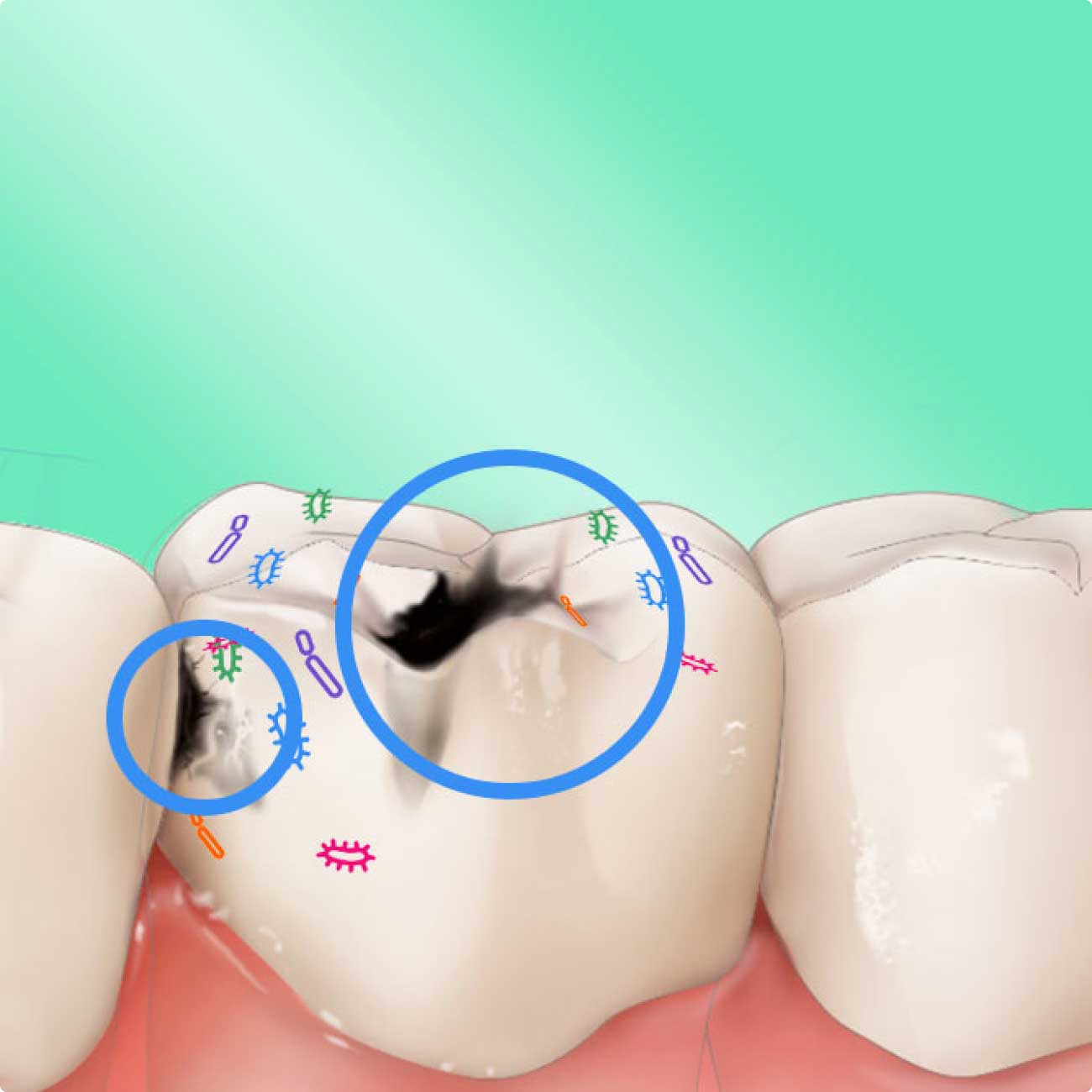
As the cavity progresses, the spot will further discolor, turning yellow or brown. At this point, you may feel a pit in your tooth. Once the cavity reaches the dentin (the softer, more porous layer beneath the enamel), there will be a visible hole in your tooth, and the spot will likely turn black.
Eventually, the decay will reach the pulp of your tooth (the part that contains nerves and blood vessels). When this happens, the cavity will be large and dark. You might also experience some swelling in the area.
What Causes Cavities?
Plaque and Acid
The main cause of cavities is the plaque that builds up on your teeth and the acids produced by bacteria forming plaque.
How does plaque start? Bacteria in your mouth accumulate to form plaque, a soft, sticky, colorless or pale-yellow film. Bacteria within the plaque film consume sugars and produce acids that dissolve the minerals in your tooth's protective enamel, leading to tooth decay and cavities.
Diet
Another major cause of cavities is your diet — especially sugary, starchy foods and drinks. These provide glucose that feeds the bacteria forming plaque.
Sugary, starchy foods and drinks do two things that contribute to plaque formation (and, eventually, cavities):
They serve as a source of energy for bacteria
They provide a sticky place where bacteria can gather
Here are some common foods and drinks that contribute to cavity formation:
Soft drinks
Juice
Candy
Bread
Pasta
Potatoes
Citrus fruits
Tomatoes
Coffee
Tea
Dried fruit
Cheese
Milk
Ice cream
While foods like milk and cheese contain calcium beneficial for teeth, they also contain natural sugars (lactose) that plaque bacteria can use for fuel. Acidic foods like citrus and tomatoes can also weaken enamel directly.
Though it's important to maintain a healthy diet, you can still occasionally enjoy these foods and not worry about tooth decay if you maintain a good oral hygiene routine.
Poor Oral Hygiene
Poor oral hygiene makes you more prone to cavities and tooth decay. Plaque needs to be removed every day to prevent it from accumulating in your mouth and causing problems.
We recommend using an electric toothbrush twice daily, partnered with flossing and rinsing with an antibacterial mouthwash at least once every day.
Dry Mouth
Dry mouth is a condition (or, sometimes, a symptom of a condition) caused by reduced saliva production.
Without enough saliva, your body can't neutralize the acids in your mouth as effectively. Plaque can more easily build up on your teeth, leaving you vulnerable to tooth decay and cavities.
Dry mouth may be a sign of a medical issue, so talk to a doctor or dentist about possible treatments.
Receding Gums
If you have receding gums, plaque can form near the roots of your teeth. These root surfaces are covered by a layer called cementum, which is softer than enamel and more vulnerable to decay.
To prevent cavities under these circumstances, it's especially important to maintain a good oral hygiene routine, so plaque doesn't build up on the unprotected parts of your teeth.
Signs and Symptoms of Cavities
Tooth Sensitivity
When plaque acid starts to eat away at your tooth enamel, it can make your teeth more sensitive to foods and drinks that are hot, cold, sweet, or sour.
Toothache
A persistent toothache or throbbing in your jaw can be an early sign of a cavity.
Discoloration
White, brown, or black discoloration on your teeth is a sign that you may be suffering from tooth decay.
Visible Holes or Pits
In some cases, you may be able to see small holes or pits in your teeth — especially on the front, back, or sides. This is a sure sign that you have a cavity and should see a dentist as soon as possible.
Pain when Chewing
Pain when chewing is another symptom of tooth decay. As decay progresses closer to the inner pulp of the tooth where the nerve resides, the tooth can become more sensitive to the pressure of chewing.
Bad Breath or a Bad Taste in Your Mouth
If bacteria and food debris accumulate in a cavity, it can cause bad breath or a persistent bad taste in your mouth. The smell or taste comes from the gas that the bacteria release as they feed off food debris and soft tissue.
Cavity and Tooth Decay Treatments
Fluoride Treatment
In the early stages of tooth decay — when the enamel is just beginning to erode — a fluoride treatment can help remineralize the protective layer around your teeth and reverse plaque damage.
For the best results, see a dentist for a professional cleaning, checkup, and fluoride treatment.
Filling
Once a hole forms, treating the cavity typically requires a more invasive procedure, such as a filling.
During the procedure, a dental professional will remove the decayed portion of your tooth and fill the space with hard material (e.g., composite resin, amalgam, or porcelain) to prevent the tooth decay from spreading.
Crown
If a cavity gets too big, you may need a filling and a crown. A crown is a cap made to cover the entire tooth. After removing the decayed material and filling the hole, adding a crown restores the tooth's shape, size, and strength.
Root Canal
When tooth decay reaches the pulp—the soft tissue inside the tooth that contains nerves and blood vessels—your dentist may recommend a root canal. This procedure is performed to save the tooth and prevent the need for an extraction.
During this procedure, your dentist will remove the infected pulp, clean and disinfect the inside of the tooth, and seal it up with a filling and (possibly) a crown.
Tooth Extraction
In cases where your tooth can't be saved, your dentist may recommend removing the tooth completely. After the extraction, your dentist may discuss replacement options with you, such as a dental implant, bridge, or dentures.
How to Prevent Cavities and Tooth Decay
Maintain a Good Oral Hygiene Routine
The absolute best way to prevent cavities and tooth decay is to maintain a good oral hygiene routine.
This consists of:
Brushing your teeth at least twice a day (or after every meal) using toothpaste made with stannous fluoride
Flossing once a day
Rinsing with mouthwash once a day (or more if needed)
The purpose of this routine is to remove the plaque and bacteria that sticks around after you eat so it doesn't start eroding your enamel.
Use an Electric Toothbrush
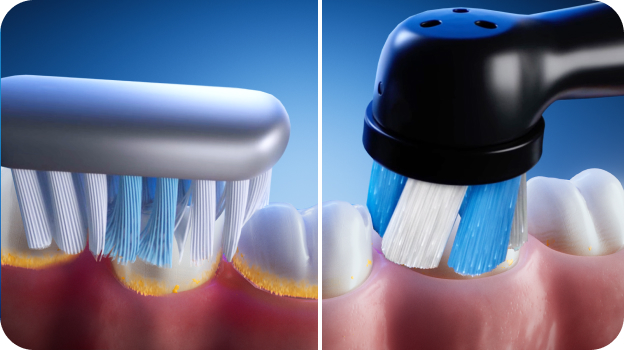
Electric toothbrushes have been shown to remove more plaque and food particles than manual toothbrushes. So, if you're serious about preventing cavities and tooth decay, use an electric toothbrush as part of your oral hygiene routine.
Use a Stannous Fluoride Toothpaste
To prevent mineral loss in your teeth, use toothpaste that contains stannous fluoride. Stannous fluoride helps prevent cavities by slowing the breakdown of enamel and speeding up the remineralization process.
Visit Your Dentist at Least Twice a Year
Visit your dentist at least twice a year for a professional cleaning and checkup. They can tell you how well your oral hygiene routine is working, give you tips to improve, and remove any plaque and tartar that you may have missed.
Limit Sugary, Starchy, and Acidic Foods and Drinks
Another great way to prevent cavities and tooth decay is to limit your intake of sugary, starchy foods and drinks that serve as fuel for bacteria.
Consuming less goes a long way toward keeping cavities from forming in the first place and preventing them from turning into more advanced tooth decay.
Drink Plenty of Water
Drinking water throughout the day can help rinse away the bacteria and plaque buildup that lead to cavities and tooth decay. Drink at least eight cups of water every day to keep your body hydrated and help prevent tooth decay.
Kick Cavities to the Curb with Oral-B!
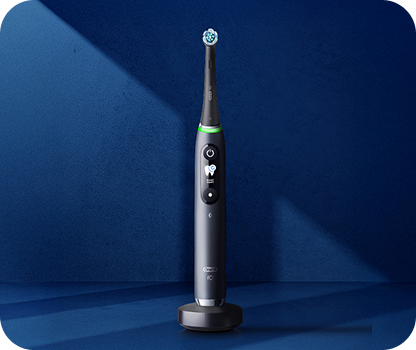
Help avoid cavities and tooth decay by maintaining healthy teeth and gums with a good oral hygiene routine. The right toothbrush can make a huge difference — like one from the Oral-B iO Electric Toothbrush Series, which removes 100% more plaque than a manual brush.
Our innovative iO Magnetic technology combines micro-vibrating bristles with our dentist-inspired round brush head for a professional clean feeling every time.
With smart pressure sensors, custom modes, and guided brushing, the Oral-B Electric Toothbrush Series can help you prevent cavities and keep your smile healthy.
Shop this article
1313|690
Science worth a scroll.
Is There a Cure to Tooth Decay?
While not curable, you can try to stop tooth decay early with a good oral hygiene. This includes....
In the very early stages of tooth decay (when a cavity is just starting to form), you may be able to reverse the decay with fluoride treatments. However, once the tooth decay irreversibly demineralizes the enamel and a hole forms, you'll need professional treatment.
Do adults need to worry about cavities?
Children are very prone to cavities. Food becomes trapped in crevices on the chewing surfaces, which kids are likely to miss while brushing.
But adults get cavities, too, primarily on the surfaces between their teeth where it's harder to reach and remove plaque.
People experiencing gum recession may develop cavities on exposed root surfaces.
How long does it take to fill a cavity?
One cavity usually takes less than an hour to fill, sometimes as little as 20 minutes, depending on the dimension. If you have multiple cavities or severe tooth decay, treatment may take longer. You may even need to visit the dentist multiple times.
Adam R. (2020). Introducing the Oral-B iO electric toothbrush: next generation oscillating-rotating technology. International Dental Journal, 70 Suppl 1(Suppl 1), S1-S6. https://doi.org/10.1111/idj.12570
Chen, D., et al. (2024). Interactions and effects of a stannous-containing sodium fluoride dentifrice on oral pathogens and the oral microbiome. Frontiers in Microbiology, 15, 1327913. https://doi.org/10.3389/fmicb.2024.1327913
Kiesow, A., et al (2024). High-Resolution Characterization of Enamel Remineralization Using Time-of-Flight Secondary Ion Mass Spectrometry and Electron Microscopy. Caries Research, 58(4), 407–420. https://doi.org/10.1159/000529576
Stookey, G. K., et al. (2004). The relative anticaries effectiveness of three fluoride-containing dentifrices in Puerto Rico. Caries Research, 38(6), 542–550. https://doi.org/10.1159/000080584
Zou, Y., et al. (2024). A meta-analysis comparing toothbrush technologies on gingivitis and plaque. International Dental Journal, 74(1), 146-156. https://doi.org/10.1111/idj.13123