
Partial Dentures: Cost, Types, and How to Choose
Summary
Key Takeaways
- Partial dentures are removable dental appliances that help fill missing teeth.
- They are designed to fit and look naturally and blend in with your teeth and gums.
- Dentist may recommend partial dentures if you have missing teeth or gaps in your smile.
- The cost of partial dentures typically ranges from $800 to $2000, and checking with your dental insurance provider can help you determine your out-of-pocket expenses.
- Routine dental hygiene is required to keep your pearly whites intact, and you’ll need to clean and care for partial dentures too.
Table of Contents

This blog has been reviewed and approved by Dr Robert Lee, a dental professional of 35 years
LEARN MORE >

Key Takeaways
Partial dentures can help fill in the gaps of your smile if you lose one or more teeth or have a tooth extracted. Tooth loss can happen at any age for a variety of reasons. However, if something happens to your adult teeth or they fall out or need to be extracted, you may need to consider getting some kind of dentures to restore your smile and oral health. If you are missing a tooth, partial dentures, a removable dental appliance, may be the perfect solution for you! Learn about partial dentures and what Oral-B recommends to keep your smile pretty and to manage your oral health.
What are Partial Dentures?
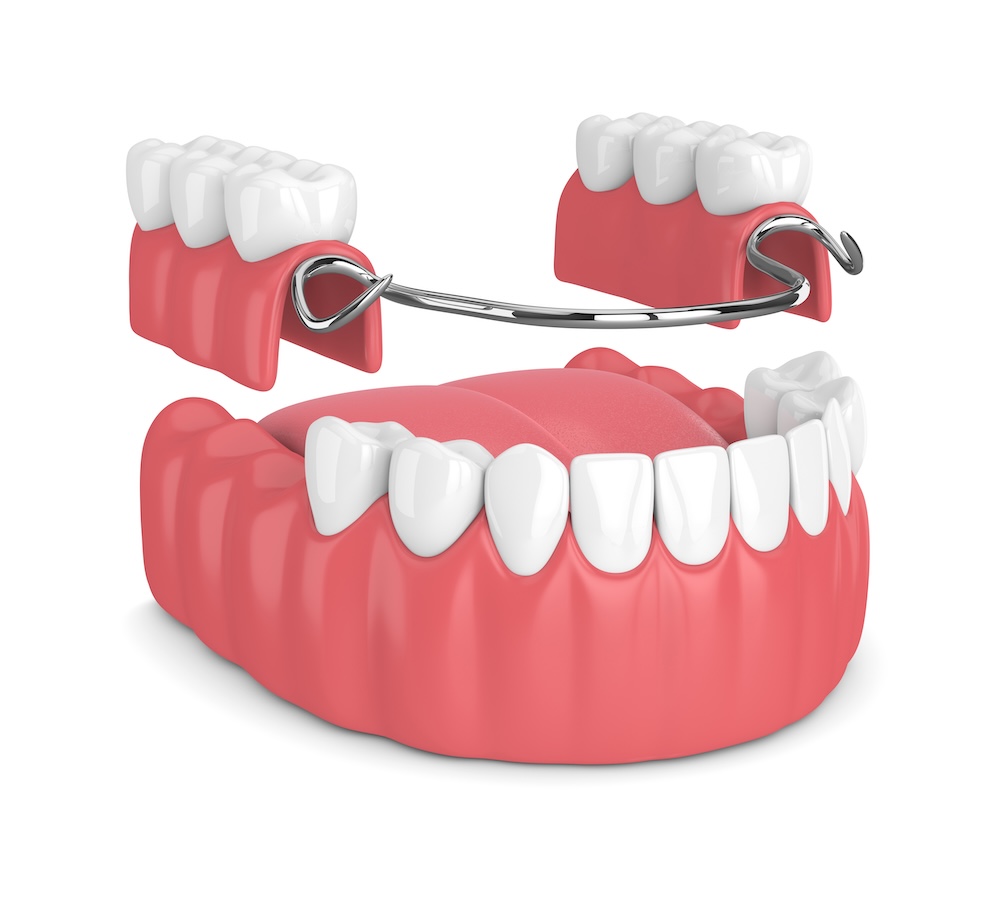
Partial dentures are removable dental appliances that replace missing teeth in your mouth. There are different types of dentures, and they can be made from different materials. Your dentist can help determine what denture is best for you. If you are missing a tooth and have most of your teeth still intact, partial dentures are usually recommended.
- Partial dentures help replace missing teeth and the appliance can fit around the existing teeth.
- Partial dentures are usually removable; however, fixed (non-removable) options, commonly known as dental bridges, are also available.
- Partial dentures are designed to blend in with your natural teeth and the appliance has replacement teeth.
Why Get Partial Dentures?
Dentures help replace missing teeth in your mouth to fill in where teeth may have fallen out. There are different types of dentures and these oral appliances may be recommended by a dentist, depending on the condition of your teeth and mouth. Partial dentures may be the removable solution for you to help your smile after you have lost a permanent tooth or two.
- You may need partial dentures if you have a tooth (or teeth) that’s been extracted, removed, fallen out or tooth decay.
- Partial dentures are a great option if you are only missing one tooth or if have most of your teeth still.
Dentures and partial dentures are made to match your natural teeth, so your smile looks normal and people may not know you have dentures at all! When you get dentures, you may need to adapt to how they feel in your mouth. However, the dental appliance should make you look no different and hopefully help your smile by filling in the gaps where there are missing real teeth.
Types of Partial Dentures
Your dentist will discuss the types of dentures and how to choose the best for you. Partial dentures are designed to be removed, however there are more permanent denture options that you can compare. Partial dentures are a popular denture option, that replaces missing teeth and are customized for your dental needs. Learn about the types of partial dentures:
- Removable Partial Denture: An appliance that is inserted in your mouth to replace a missing tooth or gaps in your teeth.
- Dental Bridge Fixed Partial Denture: A permanent dental appliance that is cemented to adjacent natural teeth or dental implants and is not removable.
Partial Dentures Cost
When your dentist brings up getting partial or full dentures, you will need to consider what the cost may be. Full dentures are typically more expensive since they replace all teeth in an entire upper or lower arch. Partial dentures are a good option if you have one tooth missing or minimal gaps in your smile with areas that need teeth to be replaced.
Tips to consider when evaluating the cost of partial dentures:
- Partial dentures cost can vary, expect to pay $800-$2000
- The cost of partial dentures vary with what material is used, your personal needs and any other dental procedures that are needed.
- Although the average cost for a partial denture is often under $2000, you will need to call your dental insurance provider to determine how much of the cost you will be liable for.
- Consult your dentist about partial denture costs and concerns. They can share options for you and help explain costs more thoroughly.
What do partial dentures look like?
Partial dentures are dental appliances that have artificial teeth attached to some kind of metal or acrylic base. How the partial dentures are made and which materials are used varies. Ideally, partial dentures are made to look natural in your mouth and match your teeth and gums so people may have no idea you are wearing any kind of dentures.
Partial Dentures for Front Teeth and Upper Partial Dentures
Something may happen in life that causes your front teeth to fall out or get knocked out. When you lose your permanent teeth in the front of your mouth, it can be very noticeable and uncomfortable. That’s when upper partial dentures can be helpful to restore any missing teeth at the top of your mouth and get your smile back to normal, with no missing gaps. Partial dentures for your upper jaw or front teeth may serve different purposes, compared to the lower jaw:
- Your dentist may also suggest partial dentures to prevent teeth from moving and shifting or for aesthetic improvements.
- If you are missing your front teeth or have an injury to the front of your mouth, typically partial dentures for the upper palate are recommended.
- Studies have shown that partial dentures used to replace missing front teeth often result in a high level of patient satisfaction due to the significant aesthetic improvement.
- Partial dentures for the front teeth can contribute to positive cosmetic changes and enhance your smile, without missing any teeth!
Before and After Partial Dentures
Your dentist can take photos of your teeth and show you before and after photos to show how the partial dentures help your smile and fit into your mouth. Although your new aesthetics may take some time to get used to and your partial dentures may be uncomfortable at first, patients usually become more confident with a natural looking smile without missing teeth.
- Your smile may improve with partial dentures and new confidence.
- Depending on your individual case, speech may be improved, and it may become easier to eat with the appliance.
Removal of Partial Dentures
Partial dentures can be removed from your mouth and are meant to be removed daily. Your dentist will show you how to work the appliance and the best ways to put partial dentures in your mouth and take them out. Typically, there is a clasp you pull up or down that allows for the appliance to be released and then you can take the partial dentures out of your mouth.
Consider these tips when removing partial dentures:
- Always clean your partial dentures after removing them and before re-inserting them.
- When cleaning, fill the sink with water or place a towel in it to prevent the denture from breaking if you accidentally drop it.
- Rinsing your mouth with warm water after removing your dentures can help clean your mouth.
- Soak your partial dentures in a retainer box and consider using a denture cleaning solution, especially overnight.
Prevent Common Oral Health Issues for a Healthy Smile
Common oral health issues can include cavities and tooth decay, gum disease, staining and sensitivity. The main culprit of which is often plaque buildup—a sticky film of bacteria that forms on teeth. If not treated, these conditions can lead to tooth loss and may even affect your overall health.
By following a complete oral care routine, you can help nip these issues in the bud, for a stronger, healthier smile:
- Brush 2X/day with an Oral-B iO Electric Toothbrush: An electric toothbrush, like an Oral-B iO, helps remove up to 100% more plaque than a regular manual toothbrush. The dentist-inspired round brush head surrounds each tooth as it adapts to the curves of teeth and gums to ensure a cleaner, healthier smile—even in hard-to reach areas.
- Protect Your Smile with Crest Pro-Health Toothpaste: Make sure to brush twice a day with a stannous fluoride toothpaste. Not only does it help fight cavities and tooth decay, a Crest Pro-Health toothpaste formulated with stannous fluoride also keeps enamel strong, fights sensitivity, and offers round-the-clock protection from plaque buildup when you brush twice a day.
- Rinse with Crest Pro-Health Mouthwash: Swish with an antibacterial mouthwash to rinse away leftover plaque, support gum health and leave your mouth feeling clean and fresh.
- Pair String Floss with an Oral-B Water Flosser: Flossing once daily helps dislodge plaque and debris from between teeth. Adding a water flosser to your routine can help remove any leftover food particles and plaque buildup for an added layer of protection.
By following a thorough oral care routine at home and visiting your dental professional at least twice a year, you can reduce the risk of developing tooth decay, gum disease, and protect your smile for years to come.
FAQs
-
How many teeth are needed for partial dentures?
-
Can you eat with partial dentures?
-
Are partial dentures uncomfortable?
-
How to adjust partial dentures at home?
-
How to store partial dentures overnight
Sources
- .
- https://my.clevelandclinic.org/health/treatments/10900-dentures
- https://www.webmd.com/oral-health/dental-health-dentures
- https://www.affordabledentures.com/our-services/dentures
- https://www.dentureliving.com/en-us/advice-tips/types-of-dentures/partials/types-of-partial-dentures
- https://www.polident.com/en-us/Partials/getting-partials/how-much-do-partial-dentures-cost/
- https://www.healthline.com/health/dental-and-oral-health/partial-denture#what-are-they
- https://www.dentureliving.com/en-us/advice-tips/living-with-dentures/cleaning-maintenance/how-to-remove-dentures
- https://oralb.com/en-us/oral-health/life-stages/adults/denture-care-instructions-tips/
- https://www.ada.org/resources/ada-library/oral-health-topics/home-care
- https://www.cdc.gov/oral-health/prevention/oral-health-tips-for-adults.html
- https://my.clevelandclinic.org/health/treatments/16914-oral-hygiene
- https://www.mayoclinic.org/healthy-lifestyle/adult-health/in-depth/dental/
- https://www.nidcr.nih.gov/health-info/oral-hygiene
- Biesbrock, A. R., et al. (2025). Randomized clinical trial evaluating kinetic benefits of desensitizing agents: Magnitude, onset, and stability of relief. Journal of periodontology, 10.1002/JPER.24-0688. Advance online publication. https://doi.org/10.1002/JPER.24-0688
- Grender, J., et al. (2020). An 8-week randomized controlled trial comparing the effect of a novel oscillating-rotating toothbrush versus a manual toothbrush on plaque and gingivitis. International Dental Journal, 70, S7–S15. https://doi.org/10.1111/idj.12571
- He, T., et al. (2022). Novel findings on anti-plaque effects of stannous fluoride. American Journal of Dentistry, 35(6), 297–307. https://pubmed.ncbi.nlm.nih.gov/36508185/
- Zou, Y., et al. (2024). A meta-analysis comparing toothbrush technologies on gingivitis and plaque. International Dental Journal, 74(1), 146-156. https://doi.org/10.1016/j.identj.2023.06.009
Table of Contents
- What are Partial Dentures?
- Why Get Partial Dentures?
- Types of Partial Dentures
- Partial Dentures Cost
- What Do Partial Dentures Look Like?
- Partial Dentures for Front Teeth and Upper Partial Dentures
- Before and After Partial Dentures
- Removal of Partial Dentures
- Prevent Common Oral Health Issues for a Healthy Smile
-
- FAQs
- Sources

This blog has been reviewed and approved by Dr Robert Lee, a dental professional of 35 years
LEARN MORE >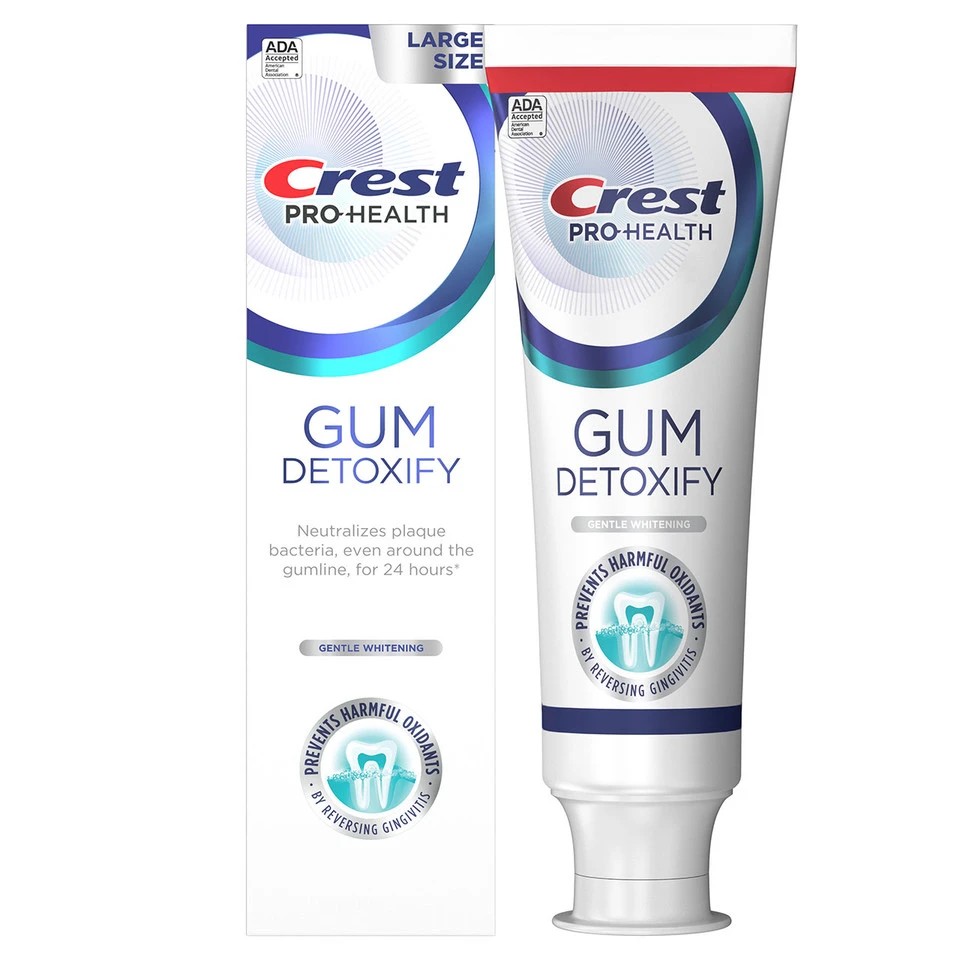

Sign Up
for oral care tips, expert advise, and exclusive offers.
Sign Up
for oral care tips, expert advise, and exclusive offers.