Benefits of Permanent Retainers
Permanent retainers have mixed benefits for every individual. Most of all, they can help teeth stay aligned and be more effective compared to removable retainers. Read below to learn about the pros and cons of permanent retainers. Your dentist can also explain the benefits of a permanent retainer and why they might recommend one for you.
Permanent Retainers Pros and Cons
There are pros and cons to having a permanent retainer. Your orthodontist will discuss the advantages and disadvantages to getting a permanent retainer, some pros to consider are:
- Permanent retainers won’t get lost since they can’t be removed from your mouth (without a dental professional).
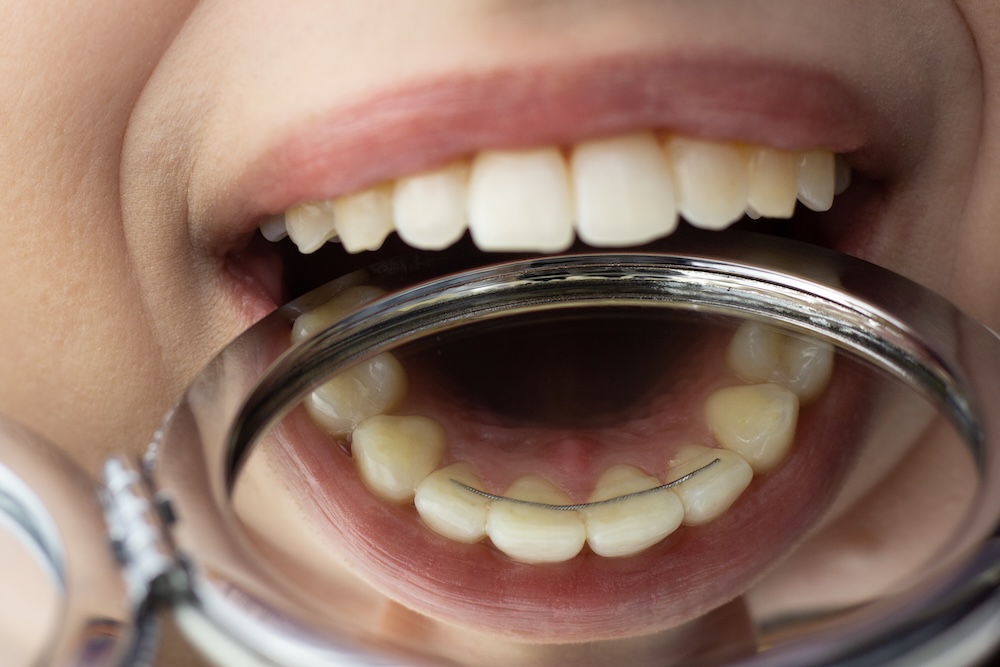
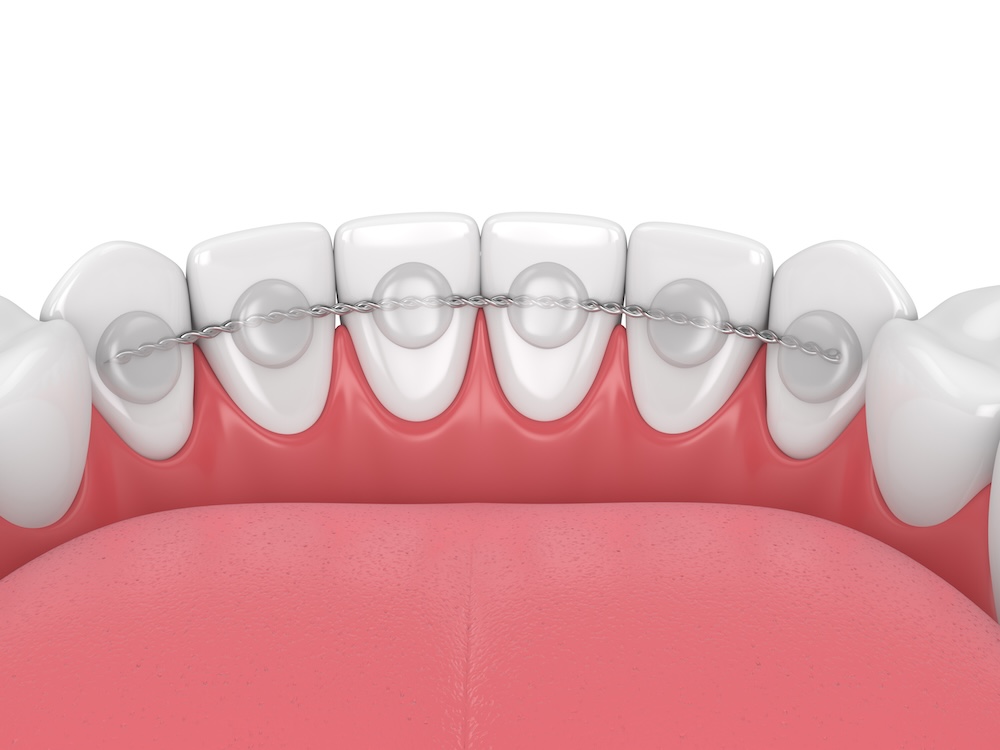
- You won’t be able to view permanent retainers on your teeth, as they go on the back of your mouth, typically on the lower teeth. Yet, the retainer can be viewed with a mirror.
- While you won't have appointments specifically for your retainer, it will be checked and cleaned around by your dental professional during your regular checkups.
The main disadvantages to consider if you need a permanent retainer are the challenges to cultivating good oral health. Because permanent retainers are fixed in place, you will need to be especially diligent with your brushing and flossing technique to ensure food particles don’t get stuck.
- Your tongue may have some discomfort with the wire that supports your teeth and you may need to get used to the new sensations in your mouth.
- Typically, people adapt to having a permanent retainer, just like they do with braces.
Permanent Retainer Cost
Check with your dental insurance company to determine how much a permanent retainer will cost. Your orthodontist will give you an estimate, yet ultimately your insurance plan will inform you what you may need to pay. Sometimes retainers are covered, often you will need to pay a bit. How much your permanent retainer costs varies with how your teeth are and how long it takes to insert the retainer.
- Permanent retainers can cost anywhere from $250 to $700 and may cost more or less depending on your specific needs.
- Permanent retainers may save you future costs, since you won't need to worry about losing them because they can't be removed from your mouth.
How to Take Care of Permanent Retainers
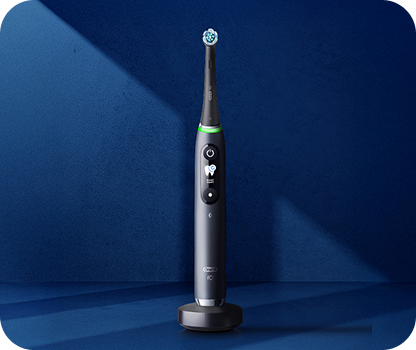
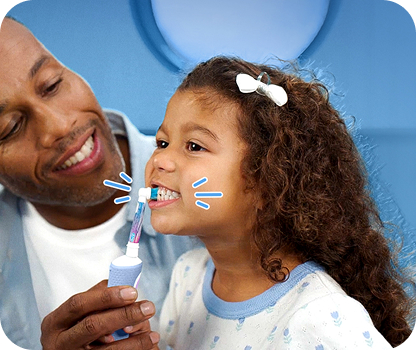
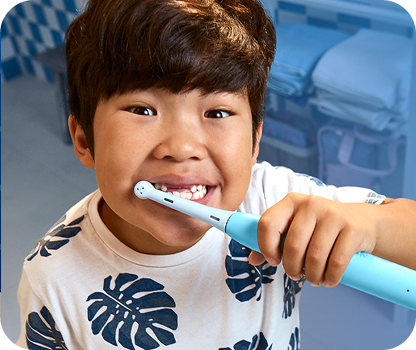
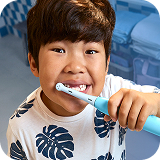
You will need to make sure you brush and floss your teeth twice daily or more when you have a permanent retainer. Keeping good oral hygiene is imperative so your teeth stay in good health and so food doesn't get caught in your teeth or retainer! Electric toothbrushes, like Oral-B's, are specially designed with technology to reach hard to get places and thoroughly clean your teeth. To help take care of your permanent retainer, try the Oral-B + Crest iO OrthoEssentials Rechargeable Electric Toothbrush System.
You will want to take care of your permanent retainer and most especially, continue to prioritize your teeth and stay strict with daily brushing and flossing.
What to Expect with Permanent Retainers
Your orthodontist can tell you more about how they will install the permanent retainer and what to expect. Most patients will adapt to having a retainer in their mouth and it will feel like normal in no time. The most important thing for you to do is to keep up on your oral health routine and keep brushing and flossing which will keep those pearly white teeth clean!
Permanent Retainer Broke
If your retainer breaks it is best to contact your orthodontist or dentist as soon as you can. Most of the time your permanent retainer breaking is not an urgent matter, however, it will depend on your level of discomfort when it happens. You will want to get your retainer fixed quick though and not wait more than a week. You don't want your teeth to start moving too, especially if you just straightened them out with braces!
Permanent Retainer Glue Came Off One Tooth
Get to your orthodontist if your permanent retainer comes off a tooth. This can happen with normal wear and tear or sometimes hard or sticky food and may create issues with the retainers. If the glue comes off a tooth with your permanent retainer it's usually not a dental emergency, although you will need to evaluate your personal situation and contact your orthodontist.
Prevent Common Oral Health Issues for a Healthy Smile
Common oral health issues can include cavities and tooth decay, gum disease, staining and sensitivity. The main culprit of which is often plaque buildup—a sticky film of bacteria that forms on teeth. If not treated, these conditions can lead to tooth loss and may even affect your overall health.
By following a complete oral care routine, you can help nip these issues in the bud, for a stronger, healthier smile:
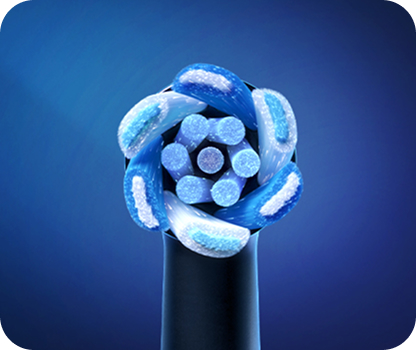
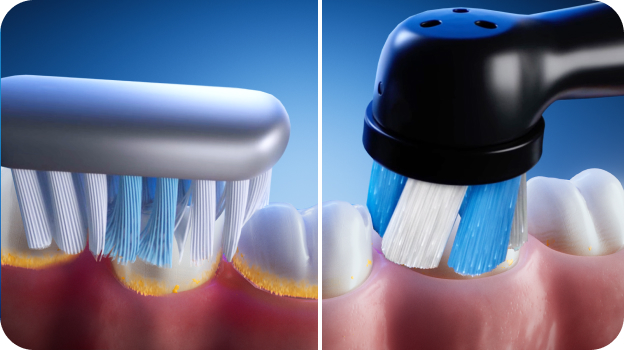
- Brush 2X/day with an Oral-B iO Electric Toothbrush: An electric toothbrush, like an Oral-B iO, helps remove 100% more plaque than a regular manual toothbrush. The dentist-inspired round brush head surrounds each tooth as it adapts to the curves of teeth and gums to ensure a cleaner, healthier smile—even in hard-to reach areas.
- Protect Your Smile with Crest Pro-Health Toothpaste: Make sure to brush twice a day with a stannous fluoride toothpaste. Not only does it help fight cavities and tooth decay, Using a toothpaste with stannous fluoride, like Crest Pro-Health, helps protect against cavities, gingivitis, acid erosion, and tooth sensitivity. It also provides lasting protection against plaque bacteria when used twice daily.
- Rinse with Crest Pro-Health Mouthwash: Swish with an antibacterial mouthwash to rinse away leftover plaque, support gum health and leave your mouth feeling clean and fresh.
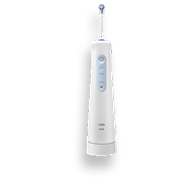
- Pair Floss Threaders with an Oral-B Water Flosser: A water flosser, like the Oral-B Water Flosser Advanced, is especially effective at flushing out food particles and plaque from around the retainer wire and bonding material where traditional flossing is difficult.
By following a thorough oral care routine at home and visiting your dental professional at least twice a year, you can reduce the risk of developing tooth decay, gum disease, and protect your smile for years to come.