Cleaning and Maintenance
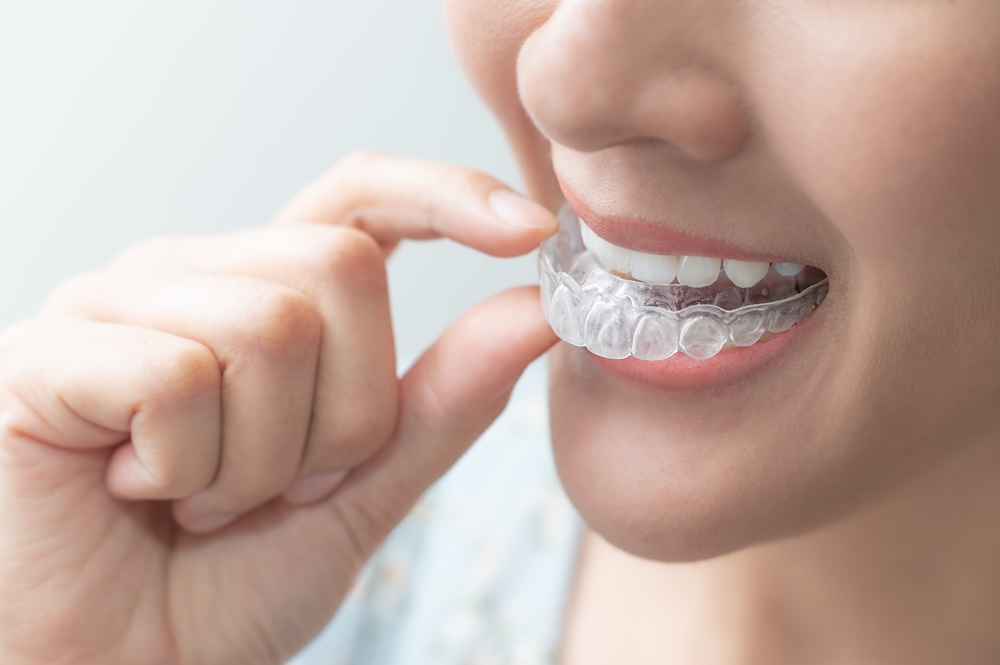
Proper care of your retainer ensures its longevity and maintains your oral health. Here are some tips:
- Daily Cleaning:
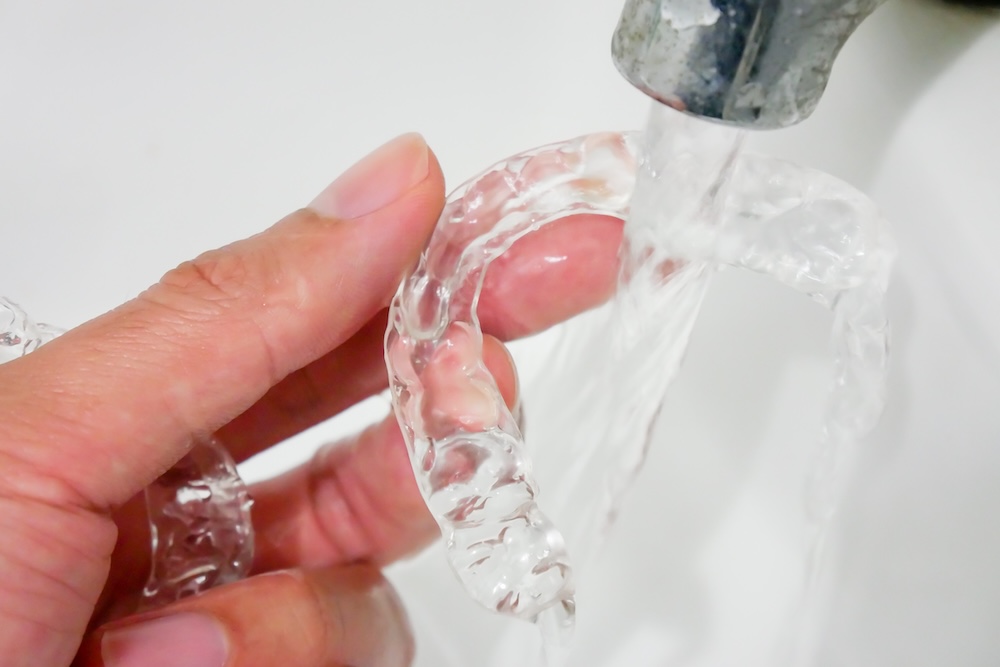
- Rinse your retainer with lukewarm water every time you remove it to prevent food particles from hardening.
- Use a soft-bristled toothbrush and mild, clear liquid soap or a dedicated retainer cleaner to gently clean all surfaces of the retainer. Avoid hot water, as it can warp the material.
- You can also make a paste of equal parts baking soda and water. Use this paste to scrub your retainer.
- Deep Cleaning:
- Once a week, soak your removable retainer in a denture or retainer cleaning solution to remove bacteria and plaque buildup. Fill a small container with water and denture cleaner. Rinse your retainer. Soak it in the denture cleaner solution for 20 minutes. Rinse your retainer. After cleaning, you can briefly rinse it with a nonalcoholic mouthwash for extra freshness.
- Alternatively, a 50/50 mixture of hydrogen peroxide and water can be used for soaking.
- You can also deep-clean your retainer in a mixture of baking soda and water. However, if you have a Hawley retainer, don’t soak it for too long or too often as the baking soda solution may corrode the metal parts of the retainer.
- Taking Care of a Permanent Retainer
Since you can’t remove your permanent retainers, clean them the same way you clean your teeth – by flossing and brushing.- Brush all around your retainer from different angles, using gentle pressure to avoid breakage.
- Consider using special dental floss or floss threaders that are designed for retainers. Floss up and down in the spaces under your wire.
- A water flosser may also be useful
- When brushing and flossing, don’t skip any spaces, no matter how small. Bacteria are more prone to build up in small spaces that aren’t easily reached.
- Cleaning Agents to Avoid:
- Regular toothpaste may rub off the surface of your retainer. Use a non-abrasive toothpaste or a baking soda and water paste
- Hot water or high temperatures. Don’t boil your retainer or use hot water to wash it. These can permanently warp the plastic materials of your retainer and you may need to then replace it.
- Bleach is too harsh for your retainer and may damage it.
- Alcohol and cleaners that contain alcohol can cause your retainer to dry out.
- Storage:
- If it’s not in your face, it should be in your case.
- Always store your retainer in its protective case when not in use to prevent loss or damage.
- Don’t use a napkin or tissue. You’re more likely to see it as trash and throw it away.
- Always carry your retainer case with you. You may damage your retainer if you drop it into your bag or pocket without a case.
- Keep it away from heat sources, including direct sunlight and hot water, to prevent warping. If you use retainers after they warp, it may impact your bite.
- Don’t forget to clean your retainer case. It may have more bacteria than your retainer. When your retainer is soaking, clean your case.
Troubleshooting Common Retainer Issues
Even with diligent care, you might encounter some challenges:
- Lost or Damaged Retainers: If your retainer is lost or damaged, contact your orthodontist immediately. Delaying replacement can lead to teeth shifting.
- Discomfort or Tightness: It's normal for a new retainer to feel snug. However, if you experience persistent discomfort or if the retainer feels too tight, consult your orthodontist. This could indicate that your teeth have shifted slightly, and adjustments may be needed.
Prevent Common Oral Health Issues for a Healthy Smile
Common oral health issues can include cavities and tooth decay, gum disease, staining and sensitivity. The main culprit of which is often plaque buildup—a sticky film of bacteria that forms on teeth. If not treated, these conditions can lead to tooth loss and may even affect your overall health.
By following a complete oral care routine, you can help nip these issues in the bud, for a stronger, healthier smile:
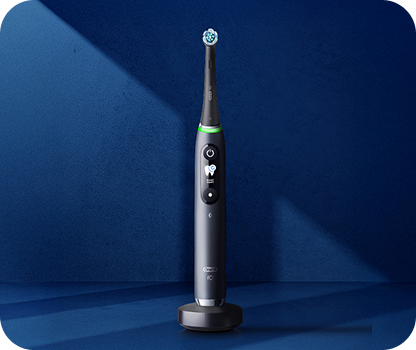
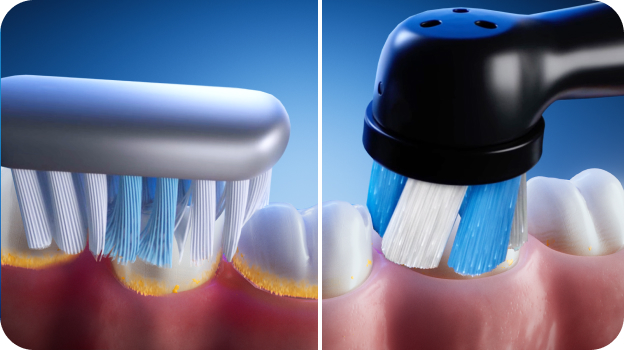
- Brush 2X/day with an Oral-B iO Electric Toothbrush: An electric toothbrush, like an Oral-B iO, helps remove 100% more plaque than a regular manual toothbrush. The dentist-inspired round brush head surrounds each tooth as it adapts to the curves of teeth and gums to ensure a cleaner, healthier smile—even in hard-to reach areas.
- Protect Your Smile with Crest Pro-Health Toothpaste: Make sure to brush twice a day with a stannous fluoride toothpaste. Not only does it help fight cavities and tooth decay, Crest Pro-Health toothpaste formulated with stannous fluoride also keeps enamel strong, fights sensitivity, and provides lasting protection against plaque buildup with twice-daily brushing.
- Rinse with Crest Pro-Health Mouthwash: Swish with an antibacterial mouthwash like Crest Pro-Health to kill plaque bacteria, rinse away loose food particles, support gum health and leave your mouth feeling clean and fresh.
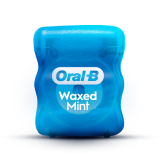
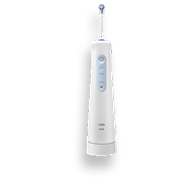
- Pair String Floss with an Oral-B Water Flosser: Flossing once daily helps dislodge plaque and debris from between teeth. Adding a water flosser to your routine can help remove any leftover food particles and plaque buildup for an added layer of protection.
By following a thorough oral care routine at home and visiting your dental professional at least twice a year, you can reduce the risk of developing tooth decay, gum disease, and protect your smile for years to come.
Summary
Braces are a significant commitment to getting your teeth into the proper position and alignment, so it's natural to want to maintain the results. But teeth have a tendency to shift back to their original positions over time. That’s where retainers come in. Without consistent retainer use, there's a significant risk that your teeth might gradually move back to their previous positions. Your commitment to wearing and caring for your retainer will play a significant role in preserving the smile you've worked hard to achieve.
Your orthodontist will typically recommend either a removable or permanent retainer. In the beginning, you’ll wear it full time but can gradually shift to nighttime wear. Proper care will ensure its longevity, so follow the cleaning routine your orthodontist advises. Always store your retainer in its case to prevent loss or damage. Finally, make sure to have follow-up appointments with your orthodontist to ensure your retainer fits properly and your teeth remain aligned.