Dental Deep Cleaning: Procedure, Benefits, and What to Expect

Smiling man sitting in an exam chair at a dentist's office
Last Updated : February 10 2026

Summary

You take great care of your teeth every day, yet your dentist recommends a deep cleaning. What exactly is included in a dental deep cleaning, and why would you need one?

In this article, we'll discuss the deep cleaning procedure, its benefits, and what to expect both during and after the procedure. With your teeth squeaky clean, you'll be well on your way to a healthier smile!

Key Takeaways

  • Takeaway #1: A dental deep cleaning is a professional teeth-cleaning procedure that goes beyond routine cleanings. First, scaling removes plaque and tartar from above and below your gum line. Next, root planing smooths your tooth root surfaces to remove any remaining tartar and bacterial toxins.
  • Takeaway #2: Your dentist may recommend a dental deep cleaning if they see signs of gum disease, including bleeding or swollen gums, loose teeth, receding gums, or pockets between your teeth and gums.
  • Takeaway #3: Benefits of dental deep cleaning include treating early-stage gum disease and stopping its progression, preventing tooth loss, and reducing gum inflammation and bad breath.
  • Takeaway #4: After the cleaning, you may have temporary gum inflammation, bleeding, or increased sensitivity, especially if there was significant plaque buildup or if you hadn't had a cleaning in a while. The best aftercare includes maintaining your oral hygiene, eating soft foods, and refraining from smoking.

Table of Contents

drlee-image

This blog has been reviewed and approved by Dr Robert Lee, a dental professional of 35 years

LEARN MORE >

Key Takeaways


What Is a Dental Deep Cleaning?

A dental deep cleaning is a professional procedure that removes bacteria, plaque, and tartar both above and below the gum line, all the way down to the tooth roots.

This is different from a routine cleaning (prophylaxis), which primarily focuses on removing plaque and tartar from tooth surfaces above the gum line, though it may extend slightly below it in a healthy mouth.

Your dentist may suggest a deep cleaning if they see signs of gum disease and are worried it could worsen. They'll look for:

  • Bleeding gums
  • Loose teeth
  • Receding gums
  • Swollen, tender gums
  • Pockets between the teeth and gums

If left untreated, gum disease can lead to bone loss, tooth loss, and has been associated with other negative health effects.

Benefits of a Deep Cleaning

Understanding all aspects of deep cleaning is important, including its benefits.

Thoroughly Cleans Teeth Below the Gumline

A deep dental cleaning is the only way to safely and effectively remove plaque and tartar buildup from below the gum line.

Minimizes Bad Breath

Plaque and tartar can trap bacteria that cause bad breath, so removing its buildup means "bye-bye" bacteria and "hello" fresh breath.

Improves Gum Health

Removing the tartar and plaque below the gum line can also help reduce gum inflammation and prevent gum disease from progressing. If your dentist sees signs of periodontitis, a deep cleaning can keep it from getting worse.

Reduces the Risk of Tooth Loss

A deep cleaning can also reduce your risk for tooth loss. By removing plaque and tartar below the gum line, you allow the supporting tissues of the tooth to heal. This healing can help reduce pocket depths and may improve tooth support.

Improves Overall Health

While the above oral benefits are noteworthy, your mouth isn't the only part of you that benefits from a deep cleaning.

There is growing scientific evidence showing associations between periodontal disease and various systemic health issues.

Research has shown that oral diseases might have an impact on systemic health via multiple pathways. Periodontal disease has been associated with diabetes, metabolic syndrome, obesity, eating disorders, liver disease, and cardiovascular disease.

What to Expect from Your Cleaning Procedure

Now that we know the purpose of a dental deep cleaning, let's talk about what to expect during and after your procedure.

During the Procedure

Before your deep cleaning, your dentist may use a local anesthetic to numb your gums. Once you're ready, they'll begin the deep cleaning process, which involves two steps: scaling and root planing.

Scaling

During tooth scaling, your dentist will use specialized instruments — such as a hand-held dental scaler or an ultrasonic tool — to remove plaque and tartar from your teeth both above and below the gum line.

Root Planing

Next, your dentist will meticulously smooth the roots of your teeth (root planing) to remove any remaining tartar and bacterial byproducts. As a result, the space between your teeth and gums closes up so your gums can reattach to your teeth.

Although the whole procedure can be done in one visit, most dentists will complete it in two sessions — one half of your mouth at a time.

After the Procedure

You may have a mild reaction after a deep cleaning. Don't worry; the reaction should subside after a few days to a week. Here's what you can expect to experience:

Swelling

One symptom you may experience after a dental deep cleaning is temporary gum swelling. This is a common part of the healing process and shouldn't last too long.

Bleeding

You may also have minor bleeding in your mouth for a few days to a week. Again, this is normal and nothing to worry about.

Tooth Sensitivity

Some patients experience increased tooth sensitivity after a deep cleaning procedure —- particularly to hot and cold food and drinks.

While you'll likely only have the mild symptoms mentioned above, in rare cases, infection or nerve damage can occur.

While very rare, nerve damage can occur, particularly if the scaling and root planing are performed in areas where nerves are close to the surface or if there are underlying anatomical considerations.

There is also a rare risk of infection following the procedure, especially if proper oral hygiene is not maintained afterward. Talk to your dentist about all the possible risks.

Care After the Cleaning

To help your mouth heal properly, here are some things you can do at home:

Practice Gentle Oral Hygiene

After your deep cleaning, resume your dental hygiene routine, but be extra gentle.

Switching to an electric toothbrush can make this easier, since many models feature pressure sensors and gentle cleaning modes.

Follow Your Dentist's Post-Procedure Instructions

Your dentist might suggest a mouthwash to prevent infection. They may also prescribe an antibiotic for a few days, depending on your medical history. Be sure to follow their instructions carefully and reach out if you're not healing as expected.

Eat Soft, Mild, and Temperate Foods

If you're experiencing tooth sensitivity after the procedure, avoid hot or cold foods and drinks, hard foods, and spicy or otherwise irritating foods. Stick to soft, easy-to-eat foods.

Don't Smoke

Steer clear of cigarettes and other tobacco products as well. These can slow down the healing process and are bad for your overall health.

Clean, Healthy Teeth with Oral-B

Woman smiling at a dental hygienist

If your dentist sees signs of gum disease, they may suggest a dental deep cleaning. The good news is now you know what that is and what it entails, so you can make an informed decision for your oral health.

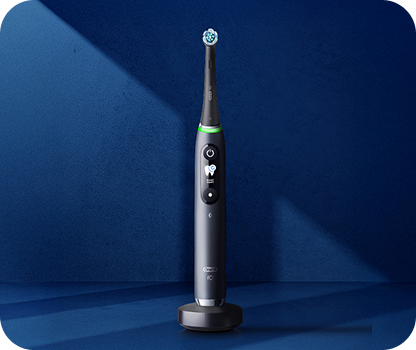
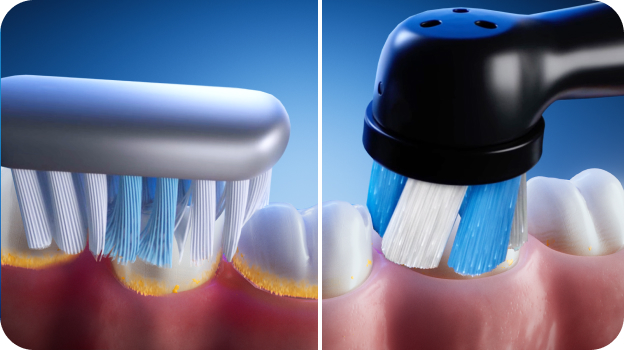
If you’re wondering how to keep your teeth healthy at home after your deep cleaning, Oral-B can help. To maintain your results and help prevent future issues, consider upgrading to an advanced electric toothbrush. The Oral-B iO9 Electric Toothbrush from our iO Series uses micro-vibrating bristles and a dentist-inspired round brush head to remove 100% more plaque than a manual toothbrush. Its built-in pressure sensor turns red when you’re brushing too hard, helping you protect your gums, and its Gentle Care mode is perfect for sensitive areas post-procedure. Be sure to pair it with our iO Ultimate Clean Replacement Brush Heads to continue getting an outstanding clean every time you brush.

FAQs

  • How do I know if I need a deep cleaning?
  • Is a dental deep cleaning painful?

Sources

Table of Contents

  • What Is a Dental Deep Cleaning?
  • Benefits of a Deep Cleaning
  • What to Expect from Your Cleaning Procedure
  • Clean, Healthy Teeth with Oral-B

  • FAQs
  • Sources
drlee-image

This blog has been reviewed and approved by Dr Robert Lee, a dental professional of 35 years

LEARN MORE >

Related Products

1313|690