








Best Whitening Toothbrush Heads for You
When it comes to a confident smile, nothing compares to ensuring your pearly whites are as bright as they can be.
Read more


When it comes to a confident smile, nothing compares to ensuring your pearly whites are as bright as they can be.
Read more
Since your gums are the foundation of a healthy mouth, it's crucial to continue to pay attention to the state of your gum line. To better assist in ensuring you don't experience gum issues, try rinsing with a non-alcoholic mouthwash to better protect your gum line and reinforce your overall clean.
Read more
Since your gums are the foundation of a healthy mouth, it's crucial to continue to pay attention to the state of your gum line. To better assist in ensuring you don't experience gum issues, try rinsing with a non-alcoholic mouthwash to better protect your gum line and reinforce your overall clean.
Read more
When it comes to straightening teeth, braces are often a good go-to. Most orthodontists and dental professionals recommend braces for kids to help ensure a straighter and healthier smile—but braces can also make it more difficult to properly clean teeth and gums as brackets and wires can get in the way. Adding a mouthwash to your daily hygiene routine can help improve the cleanliness of your mouth, fight bad breath, and prevent cavities in areas where it’s difficult to reach with a traditional toothbrush.
Read more
If you’re not producing enough saliva, then you may experience dry mouth. Dry mouth can range from having a minor effect on your day-to-day life to impacting your general health. If you have symptoms of dry mouth, then visit your dental professional for proper diagnosis or treatment. He or she may help with recommending the right oral care products to use, including mouthwash for dry mouth.
Read more
When it comes to your daily oral hygiene routine brushing twice and flossing at least once, adding an oral rinse into the mix can help keep your breath even fresher and mouth cleaner. An alcohol-free mouthwash can deliver plenty of oral care benefits without the burning sensation of alcohol, all while helping you achieve a longer lasting clean.
Read more
Procter & Gamble (P&G) brands Oral-B and Crest conducted a survey of nearly 3,000 people in the United States and Western Europe to better understand oral care habits today. The data resulted in several tips that can help people improve their personal health and reduce the environmental impact of their oral care routine.
Read more
Electric toothbrushes are known for their advanced cleaning performance—but that performance doesn’t necessarily have to break the bank, especially if you’re hesitant on experiencing that clean for yourself. Oral-B includes a premium electric toothbrush that delivers a superior clean. Learn more about our best electric toothbrush under $50 below.
Read more
We hold ourselves to the highest standard Our 4-Step Process Watch to Learn More About How Our Scientists Formulate Safe Products For You
Read more
Water flossers, or oral irrigators, use a pressurized stream of water to clean teeth and gums, but do water flossers really work when it comes to your oral health? When combined with a complete, daily oral hygiene routine, a water flosser can help reduce plaque buildup and remove more food particles that can get trapped in tight spaces. The Oral-B Water Flosser Advanced is dentist-inspired to deep clean and detoxify below the gum line* as it targets and helps eliminate plaque bacteria for healthier gums and cleaner teeth.
Read more
Water flossers or oral irrigators can be a great addition to your oral care arsenal. The best water flossers are designed to wash away and reduce leftover food plaque debris that brushing and regular flossing can leave behind. Plus, when used correctly, the right water flosser can massage the gums and improve gum health while also protecting dental work such as crowns, bridges, and braces. Learn more about our latest water flosser for 2021 to see if it’s right for you.
Read more
Water flossers direct a stream of water to clean away any leftover plaque* and food debris from teeth and gums—but they cannot remove hardened tartar. Only a dental professional can effectively and safely remove tartar buildup from teeth.
Read more
When it comes to your oral health, it’s important to maintain a good oral hygiene routine that includes flossing at least once a day. Food particles, debris, and plaque buildup can get trapped between teeth and in hard-to-reach areas that a toothbrush may not be able to reach. For an optimal clean, especially if you have braces, add a water flosser to your daily routine to better reduce plaque buildup to help keep your gums healthy.
Read more
We all understand the importance of brushing your teeth daily. It’s also important to floss as well, to reach stubborn tartar and leftover food between teeth that can cause gum problems. Daily dental flossing can prevent that from happening. A water flosser, also known as an oral irrigator, can also be a great addition to your flossing routine.
Read more
It's recommended that you floss at least once a day in addition to brushing twice a day to maintain good oral health. Flossing removes trapped food debris, plaque and bacteria in hard-to-reach spaces between teeth and gums where your toothbrush can't reach. Without daily flossing, bacteria will calcify, turn to tartar, and lead to gum problems.
Read more
A water flosser, also known as an oral irrigator, is a handheld oral care device that directs a stream of water between your teeth and gums, removing food debris, plaque and bacteria. Combined with daily flossing, a water flosser enhances your daily oral care routine.
Read more
Crest and Oral-B believe a smile is worth the world and that all Americans deserve healthy smiles. However, tooth decay is the No. 1 chronic disease in America. This issue is more pronounced in underserved communities, where Black and Hispanic children have a higher rate of tooth decay, but are less likely to see a dentist.
Read more
Understanding the options available is an important part of choosing the best electric toothbrush for you.
Read more
Since tonsil stones are formations of debris and bacteria buildup, you can prevent them by following a complete oral hygiene routine. Brush 2X/day with an electric toothbrush, floss 1X/day, and rinse and gargle with salt water or an alcohol-free mouthwash. In addition to a thorough oral care routine, it’s important to drink plenty of water to further prevent tonsil stones.
Read more
Braces used to be thought of as something for kids, but now more and more adults are getting them. Whether it's for cosmetic reasons or to fix bite issues, more adults are turning to orthodontics for a healthier, straighter smile. It does require a commitment of both time and money. So, before you commit, it's important to weigh the benefits, drawbacks, and lifestyle changes that come with adult braces. In this guide, we'll walk you through the benefits, challenges, and other things to consider so you can make the best decision for you and your teeth.
Read more
If you or someone you know has kidney disease, don’t neglect your dental health. Kidney disease is associated with many dental health complications, including increased risk of periodontal disease, tooth loss, and inflammation of the salivary glands. So, it’s important to maintain a consistent oral health routine, including regular dental visits.
Read more
Lorem ipsum dolor sit amet, consectetur adipiscing elit. Sed do eiusmod tempor incididunt ut labore et dolore magna aliqua.
Read more
Many factors can cause infections in the mouth, but one of the oddest-looking oral conditions is not connected to an infection, nor is it a sign of oral cancer. In fact, most people with geographic tongue are otherwise healthy.
Read more
If you develop tooth decay that has progressed beyond the process of eroding your tooth enamel and has created holes in your teeth, your dental professional will likely recommend a filling.
Read more
Over the years, anthropologists have found evidence that ancient people used various implements such as pointed sticks for interdental cleaning.
Read more
Choosing a dental floss is as individual as choosing any other personal hygiene product. If you have trouble sliding floss through your teeth, you may prefer waxed floss. But if you have more space between your teeth, or if you don’t care for the feel of waxed floss, then opt for unwaxed floss. Either waxed or unwaxed floss will do the job of removing plaque buildup from your teeth. For best results, be sure to use a fresh section of floss as you move from one tooth to the next. Otherwise, you may redeposit bacteria-carrying particles that you removed from one tooth onto the neighboring tooth!
Read more
HPV infections are most common among teens and women aged 25 years and younger who are sexually active. Having many sexual partners significantly increases the risk of HPV infections. If you notice lesions or warts on your tongue, soft palate, or tonsils, one of the possible causes is infection with the human papillomavirus, or HPV.
Read more
Anthropologic evidence suggests that many ancient cultures practiced regular oral hygiene. In fact, researchers have found recipes for teeth-cleaning and breath-freshening preparations that date to ancient Egyptian, Chinese, Greek, and Roman cultures. The ingredients have included materials such as charcoal, fruit and dried flowers, but there's no credible evidence about effectiveness of these products.
Read more
Adding a tongue scraper to your daily routine might be the thing you need to elevate your oral hygiene to the next level. This simple tool helps remove bacteria, dead cells, and food particles from your tongue, leaving you with fresher breath and a cleaner mouth. In this article, we'll walk you through the steps of using a tongue scraper effectively, explore its benefits, and offer tips for incorporating it into your daily routine, as well as things to look out for to make scraping comfortable and worth the effort.
Read more
Adult, or permanent teeth, are designed to last a lifetime. Which is why losing a tooth can be alarming. Fortunately, applying a few early prevention techniques can help keep your teeth from falling out so you can show off a healthier, more resilient smile.
Read more
Almost all of us try to save money by getting the most out of everything. That can include your tube of toothpaste. Most toothpaste tubes offer the best advice, "Squeeze tube from the bottom and flatten as you go up." Following this procedure helps make it easier to get the most out of your toothpaste investment.
Read more
The success of your dental implant relies heavily on your oral hygiene. Now that you’ve improved the appearance your smile, it’s time to ensure your implant lasts a lifetime. When it comes to dental implants, one of the more prominent risk factors to be wary of is poor oral hygiene.
Read more
Braces are not the only way to achieve a straighter smile. Depending on your specific condition, there are other options besides braces to consider. Even though braces have shown to be very effective, they may not be needed to fix some oral conditions.
Read more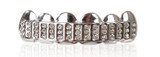
Dental grills, also known as “grillz,” have become popular among some teens and adults due to their popularity among celebrities, especially rap musicians. Grills are decorative covers that snap over one or more teeth. They are usually made of gold, silver or other precious metals. But less expensive grills are often made from base metals that can cause irritation or an allergic reaction. There are no long-term studies of dental grills, so there are no data about long-term safety or about problems resulting from long-term wear.
Read more
Approximately one-third of people who undergo treatment for cancer will develop some type of oral complications, according to the National Institute of Dental and Craniofacial Research at the National Institutes of Health. These complications can range from mild gingivitis to severe oral infections, and they can interfere with cancer treatment and with the patient’s overall quality of life.
Read more
For a number of medically important reasons, it’s vital that cancer patients not neglect their dental health. Chemotherapy, which involves drug treatment to kill cancer cells, can promote a range of oral health problems. The medications used in chemotherapy can promote dry mouth, which can be part of the overall picture of tooth decay.
Read more
Oral thrush is a common fungal infection that affects the mouth and throat. It occurs when the Candida fungus, which naturally resides in the mouth, overgrows and leads to discomfort and other symptoms. While it can affect anyone, certain factors can increase the risk of developing oral thrush. Fortunately, once it’s identified, it’s usually easy to treat. In this article, we’ll break down what causes oral thrush, what symptoms to watch for, and the best ways to treat and prevent it.
Read more
When tooth loss occurs, your dentist may recommend the placement of a tooth bridge, or dental bridge. When placing a bridge, the teeth on both sides of the space are covered with crowns (caps), and an artificial tooth (pontic) is attached to the crowns.
Read more
The effects of poor oral hygiene range from tooth decay and cavities to gingivitis, periodontitis, and tooth loss. Fortunately, proper oral hygiene, including cleaning teeth correctly and regularly, can prevent most of these problems.
Read more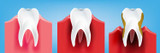
Gum disease ranges from mild to severe. If left untreated, certain forms of gum problems can increase your risk of developing other health concerns such as diabetes and heart issues. Reinforce your gum health by brushing with an electric toothbrush. Unlike a manual toothbrush, and electric toothbrush like the Oral-B iO Series delivers 100% cleaner teeth and healthier gums.
Read more
When not removed with regular brushing and flossing, plaque buildup can turn into dental tartar—a hard deposit that can only be removed by a dental professional. Proactively prevent tartar from taking root by brushing with an electric toothbrush which removes 100% more plaque than a regular manual toothbrush.
Read more
Once your child's first tooth erupts, it's time for their first dental visit. Although in some cases teething can begin as early as 3 months, often the first baby tooth starts to come out between 6 to 12 months.
Read more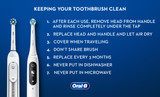
It's important to take care of your electric toothbrush to make sure you get your best clean with every brush. Here are some tips on how to clean and take care of your electric toothbrush to keep your smile at its healthiest.
Read more
The length of time that you might wear braces varies depending on the severity of your dental problems, but most people wear them for one to three years. Sometimes your orthodontist may recommend additional orthodontic treatments, such as elastic bands and orthodontic headgear, but these items are not always used for the full length of time that you wear the braces.
Read more
How long will it take to get my braces taken off?
Read more
When you wear braces, plaque has more places to accumulate and build up. Learn how our electric toothbrushes more effectively clean around braces to remove plaque and help prevent gum disease.
Read more
Partially erupted teeth are especially hard to clean around and they are susceptible to gingivitis. Add an electric toothbrush to your daily oral hygiene routine to better protect and improve gum health. Oral-B’s round brush head surrounds each tooth to clean more surfaces and remove 100% more plaque than a regular manual toothbrush.
Read more
There are many types of dental floss and there is no one “right” floss for everyone. In fact, there’s no reason why you can’t have several types of floss and flossing products on hand. A small container of nylon dental floss or dental tape is great for a purse, pocket or carry-on travel bag. A mint-flavored floss can be a great choice to use when you’re traveling so you don’t have to carry a bottle of mouthwash. And when you’re at home, you can treat yourself to your electric flosser.
Read more
Are you frustrated when using standard dental floss? Do you find long pieces of floss difficult to handle, especially when you’re reaching behind your back teeth? If so, you’ll be glad to learn that there are other ways to floss your teeth. A dental floss pick is a small plastic tool with a curved end that holds a piece of dental floss. And there’s a bonus—the other end of a floss pick features a small plastic pick that can be used instead of a wooden toothpick to remove large food particles that can get caught along the gum line or between the teeth.
Read more
Being a teen or pre-teen is hard enough. Being a teen or pre-teen with braces can be even harder. If you're trying to help your kid deal with their new braces, here are some helpful perspectives from parents who have been through the process before.
Read more