Cracked Tooth: Causes, Treatment, Recovery

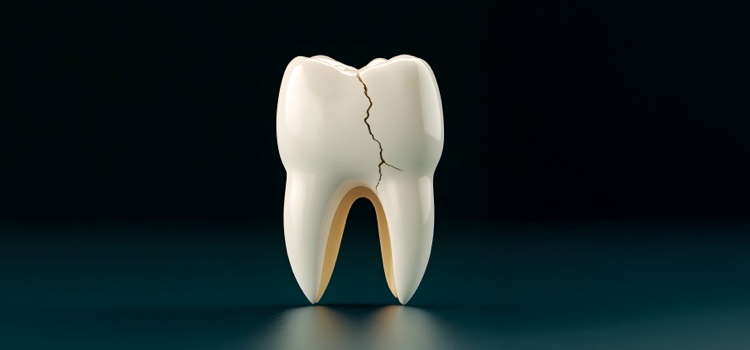
: An illustration of a cracked molar.
Last Updated : February 5, 2025

Summary

As we go through life, the amount of stress that our teeth come under means that a cracked tooth is a common dental issue. Teeth grinding at night, hard foods, tooth fillings, and even temperature changes can all cause a broken tooth, so being aware of the condition is important.

Occasionally, a cracked tooth will have no symptoms and may not require treatment, but the condition can also be more serious, especially if the crack is large or nerve endings are exposed.

In this article, we will discuss why broken teeth occur, how to gauge the severity of a cracked tooth, common symptoms of the condition, and when treatment may be necessary.

Key Takeaways

  • Takeaway #1: Cracked teeth can occur for several reasons, but it is important to know the exact cause before you seek treatment. This is primarily because if there are any underlying issues that have caused a cracked tooth, they need to be dealt with also.
  • Takeaway #2: A cracked tooth always requires a professional evaluation by a dentist to determine its severity and the proper course of treatment.
  • Takeaway #3: Although there is no set way to completely prevent cracked teeth, maintaining an optimal oral care regime, including regular visits to the dentist, combined with other several lifestyle changes, can help to reduce your chance of suffering from one.

Table of Contents

drlee-image

This blog has been reviewed and approved by Dr Robert Lee, a dental professional of 35 years

LEARN MORE >

Key Takeaways


Cracked Tooth Causes

Though our teeth are strong, they are put under significant pressure, and as we get older several reasons can lead to a tooth crack or tooth chip. Among the most common reasons for a broken tooth are:

  • Tooth grinding at night
  • Large fillings weakening the structure of a tooth
  • Oral trauma from falls, blows to the mouth, or accidents
  • Sudden changes in temperature, typically from very hot or cold foods
  • Aging (people over 50 are more likely to suffer a cracked tooth)
  • Chewing hard or sharp foods

After a tooth chip, or crack, your tongue will most likely be able to feel the change or sharpness created by the damage. Broken teeth do not necessarily hurt, but if a large portion falls off then you are likely to experience pain.

Extreme pain after a tooth chip likely means that the nerves within the tooth have been exposed. If this is the case, you should seek dental attention as soon as possible.

Types of Cracked Teeth

Cracked teeth come in many different forms, the most common include:

  • Cracked tooth: This refers to a vertical crack that runs from the chewing surface down towards the root. The crack may not extend to the gum line, but if it does and goes below it, it can affect the root.
  • Fractured cusp: Typically occurs around a dental filling. These cracks do not affect the center of the tooth and can be painless.
  • Craze lines: Also called hairline cracks in teeth, these are tiny cracks on your tooth enamel that should be painless.
  • Split tooth: This is often the result of an untreated cracked tooth where the crack has progressed to separate the tooth into two or more distinct segments.

How are Cracked Teeth Diagnosed?

If you visit a dentist with a cracked tooth, they will perform a few routine checks to determine the type of crack you may have sustained. Common tests include:

  • Using a light to closely examine the tooth and illuminate the crack
  • Examining the gums for irritation and swelling (in the case of root fractures or vertical fractures)
  • Have you bite down on a stick to check for pain
  • Use dental dye to help a crack stand out
  • Take an X-ray to check the health of the inside of your teeth
  • Ask about your dental history to see if there were any obvious causes

Is a Cracked Tooth a Serious Injury?

A cracked tooth is not always a serious injury, but it can lead to some unwanted complications. Cracks can allow space for bacteria to enter the teeth and gums, potentially leading to a tooth abscess. A cracked tooth can also lead to infections that spread to the jawbone and other bones in your face.

If you experience the following symptoms after a tooth crack, contact a dentist:

  • Fever
  • Swollen and irritated gums
  • Pain when eating
  • Extreme sensitivity to temperature
  • Bad breath
Woman has toothache while she brushes her teeth.

Cracked Tooth Treatment

If you are wondering whether a cracked tooth can be repaired, the answer is: it depends. Whether a tooth can be saved—and which treatment is appropriate—depends on the type of crack, how severe it is, and where it is located. After examining the tooth, your dentist can recommend the most appropriate treatment option.

Treatment will depend on the cause and severity of your cracked tooth, but among the most administered treatments are:

  • Dental bonding: A simple treatment, the dentist fills in the crack with a resin.
  • Dental crown: A porcelain or ceramic cap is fitted over the cracked tooth to protect and prevent further damage.
  • Root canal: If a crack has reached the inner pulp of the tooth and caused an infection, a root canal is needed. This procedure removes the damaged pulp, cleans the inside of the tooth, and seals it. A crown is often placed afterward to protect the tooth and restore its full function and strength.
  • Dental contouring: For very minor cracks or chips (like some craze lines or a small chipped cusp), a dentist may slightly reshape and polish the enamel to smooth any rough edges.
  • Dental veneers: Sets of custom-made shells that fit over the teeth and protect them. Veneers may need replacing in the future depending on their material. Make sure you ask your dentist how long veneers last so you can be prepared for future follow up treatments (if needed).
  • Tooth Extraction: If the cracked tooth is severely damaged beyond repair, the best option may be to remove it completely, once extracted, the tooth will be replaced by a dental bridge or an implant.

How Long Does It Take to Fix a Cracked Tooth?

Different treatments will take different amounts of time to work effectively or administer:

  • Dental bonding: This will be typically restored in one session.
  • Dental crowns: Dental crowns can be fitted in as little as a day but may also take a few sessions.
  • Root canals: most root canal treatments can be completed in a single session, but your dentist may choose to break this into two smaller sessions.
  • Dental contours: These will be completed within one session but may require follow-up sessions.
  • Dental veneers: Creating custom veneers to fit the shape of your teeth can take anywhere from a few weeks to a few months, depending on the extent and urgency.
  • Tooth extractions: Cracked tooth extractions will be completed in a single session, but replacing the extracted tooth can take as long as a few months.

Prompt and effective treatments can repair teeth and last for years without any issues, but it is important to follow up with your dentist to check for any side effects or complications.

Can I Fix a Cracked Tooth at Home?

Sadly, there is not an effective cracked tooth treatment that you can administer at home, and you should visit the dentist if you believe you are experiencing one. There are however ways to manage the pain and symptoms of a cracked tooth by using an ice pack to calm the swelling and irritation, and saline rinses to keep the mouth clean and reduce chances of infection.

Woman in a bathroom smiling and flossing her white teeth.

Self-care and Prevention

Though there is no set way to completely prevent cracked teeth, there are several lifestyle changes you can implement to reduce your chance of suffering from one.

The stronger your tooth is, the less likely you are to experience a crack, and the best way to ensure this is through the maintenance of good oral hygiene. Outside of maintaining good oral hygiene, you may want to implement further lifestyle changes like ensuring you use a mouthguard when engaging in sports or exercise or avoiding hard foods likely to cause your teeth problems.

Strong Teeth Start with Great Oral Care

Cracked teeth can result from a variety of causes - injury, teeth grinding, or simply wear and tear over time. While some cracks may be minor, others can lead to discomfort, sensitivity, or may be at risk of infection if left untreated. That's why Oral-B emphasizes the importance of a consistent oral care routine and regular trips to the dentist and dental hygienist, to help protect your teeth and support long-term oral health.

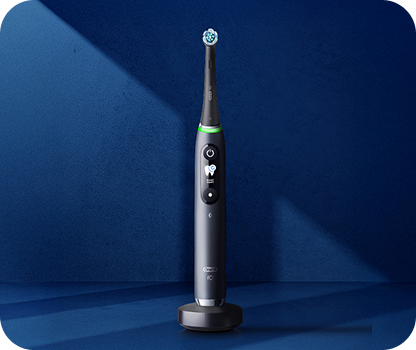
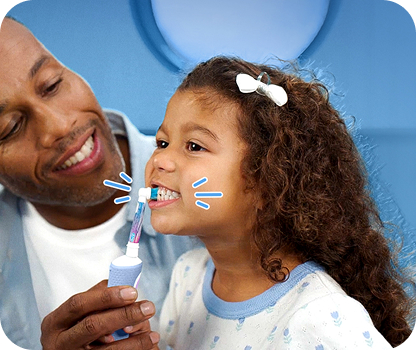
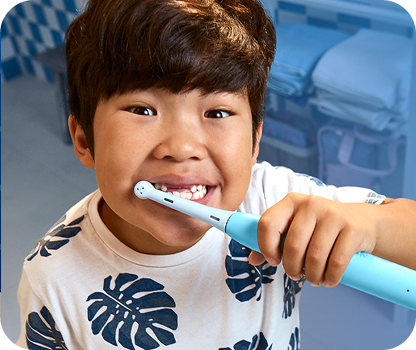
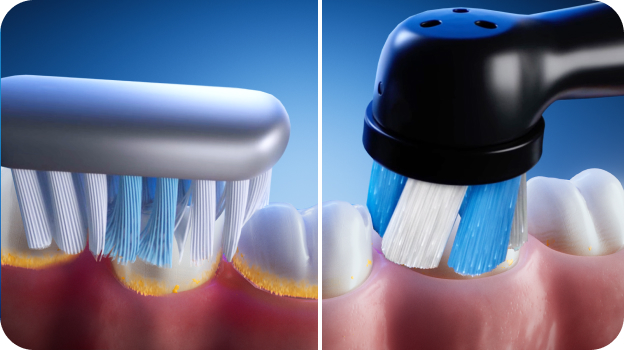
Consider an Oral-B electric toothbrush to support daily plaque removal as part of a consistent oral care routine. Use gentle pressure and follow your dentist’s recommendations.

FAQs

  • What causes a tooth to crack?

  • How can I tell if I have a cracked tooth?

  • Can a cracked tooth heal on its own?

Sources

Table of Contents

  • Cracked Tooth Causes
  • Types of Cracked Teeth
  • How are Cracked Teeth Diagnosed?
  • Cracked Tooth Treatment
  • Self-care and Prevention
  • Strong Teeth Start with Great Oral Care

  • FAQs
  • Sources
drlee-image

This blog has been reviewed and approved by Dr Robert Lee, a dental professional of 35 years

LEARN MORE >

Related Products

1180|410