Cons and Challenges
While the rewards of getting braces can be numerous, there are also a few downsides to consider:
✘ Treatment Takes Longer
Adults tend to have denser bones than teens or kids, so teeth move more slowly. That means treatment can take anywhere from one to 3 years, depending on the case.
✘ Discomfort and Adjustments
Braces can cause soreness, especially after adjustments. Some braces can also cause cheek irritation. You may also have to avoid certain foods like popcorn, gum, or hard candy to prevent damage.
✘ Visibility
If you go with metal or ceramic braces, they'll be noticeable. This can make some adults feel self-conscious, especially in professional settings. Although this is less common and more adults are getting braces.
✘ Cost
Depending on the type and complexity, braces can cost between $3,000 and $10,000. Clear aligners often fall within the same price range. Insurance may help, but many adult plans don't cover orthodontics.
✘ Maintenance and Responsibility
Braces make brushing and flossing more challenging and require people to step up their oral health routine. With clear aligners in particular, you'll need to remove them before eating or drinking anything other than water, and brush your teeth before putting them back in. Regardless of type, braces are a commitment that requires daily attention.
Things to Consider
Before diving in and making the commitment, there are a few questions you should ask yourself.
What Are Your Goals?
Are you looking for cosmetic improvements, or do you have functional problems like difficulty chewing or jaw pain?
Have You Talked to an Orthodontist?
A consultation can help you understand your specific options and what type of braces will be most effective for your needs.
Are You Ready for the Time Commitment?
Not only can the process take up to three years, but braces require regular orthodontic visits, usually every 4-6 weeks.
Can You Afford It?
Make sure you understand and can handle the full cost, including potential follow-ups, retainers, and emergency visits. Dental insurance typically doesn't cover adult braces, but flexible payment plans are often available.
Can You Keep Up with Oral Hygiene?
Braces and aligners both require excellent brushing and flossing habits to avoid stains, cavities, or gum problems.
Tips for a Better Experience
If you decide to get braces, adopting a few new habits can make a big difference.
- Stick to soft foods after adjustments
- Use orthodontic wax to reduce irritation
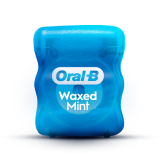
- Invest in a water flosser or floss threaders for easier cleaning
- Wear your retainers consistently after treatment to avoid undoing the orthodontic work
- Stay consistent with checkups and don't miss appointments
Are Adult Braces Worth It?
The experts agree that it's never too late to improve your oral health. If you're willing to commit some time, money, and effort, adult braces can be well worth it. The benefits go beyond just a better smile; braces can positively impact your health, comfort, and self-esteem for years to come. As long as your gums and bone structure are in good shape, you're likely a candidate.
Summary
Braces aren't just for teens—more and more adults are embracing orthodontics to fix crooked teeth, bite issues, or regain confidence in their smiles. In fact, one in three orthodontic patients is an adult, so it's increasingly common. Whether you choose metal, ceramic, lingual braces, or clear aligners, the right choice depends on your personal goals, lifestyle, and budget.
While treatment might take longer and require some sacrifices in time, money, and behavior, the payoff is usually worth it in terms of better oral health, improved appearance, and a new sense of confidence. Just make sure you're prepared for the time commitment, cost, and maintenance involved. If you're thinking about it, schedule a consultation with an orthodontist to get a personalized plan. Straightening your teeth as an adult is more accessible, common, and rewarding than ever.
Braces: Support for Your Oral Health as You Straighten
Braces help straighten your smile and correct misalignment, but brackets and wires can also create new areas for plaque to hide—making your smile more vulnerable to staining, tooth decay, and gum disease. A thorough oral care routine can help keep your mouth healthy to ensure you get the most out of your treatment while preventing oral health issues down the road.
When wearing braces be sure to:
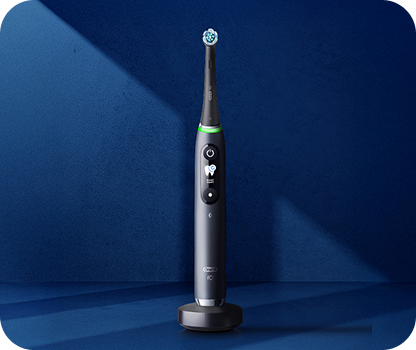
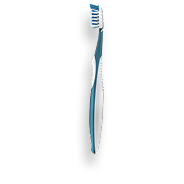
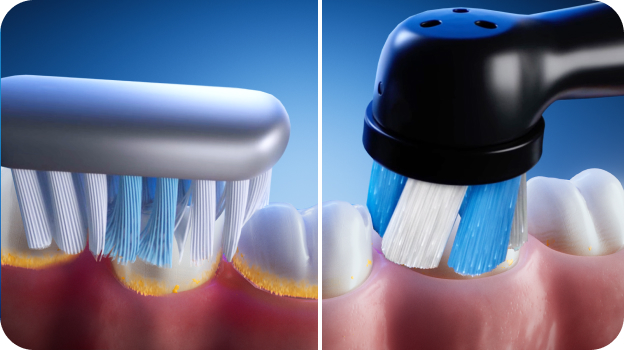
- Brush 2X/day with an Oral-B iO Electric Toothbrush: It can be tough to clean around brackets and wires, allowing more opportunities for food particles and plaque to accumulate in. Brush twice daily with an electric toothbrush like the Oral-B iO to remove up to 100% more plaque than a regular manual toothbrush for healthier teeth and gums.
- Pair It with an Oral-B iO Gentle Care Replacement Brush Head: Braces can leave your smile feeling sore and sensitive. iO Gentle Care Brush Heads feature high-density dentist-inspired extra soft bristles in an optimized pattern to better adapt to teeth and gums while delivering a gentle clean.
- Protect Your Smile with Crest Pro-Health Toothpaste: Brush twice daily with a stannous fluoride toothpaste like Crest Pro-Health to help prevent cavities, help reverse gingivitis (an early form of gum disease), and keep your smile strong.
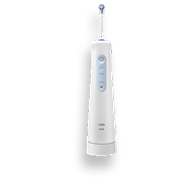
- Amp Up Your Flossing Routine with Oral-B Water Flosser Advanced: Oral-B Water Flosser Advanced features customizable intensities and a targeted stream so you can more easily wash away leftover food particles from brackets and wires.
- Rinse with Crest Pro-Health Mouthwash: Round out your brushing and flossing routine with an antibacterial mouthwash to rinse away leftover plaque and support gum health.
- Maintain a Balanced Diet: Foods high in sugars can increase plaque buildup, especially when wearing braces. Opt for fruits, vegetables, and whole grains to help limit plaque bacteria and keep your smile healthy.
- Visit Your Dental Professional Regularly: Keep up with regular with orthodontic visits to keep braces properly adjusted. Additionally, it's important to go in for professional cleanings and checkups at least twice a year to better monitor your oral health.
Following a complete oral care routine while wearing braces can help keep your teeth and gums healthy, so when those brackets and wires do come off, you can confidently reveal your newly straightened, strong, bright smile.