Bruxism (Teeth Grinding): Causes, Symptoms, and Treatments

Summary
Key Takeaways
- Bruxism is the involuntary grinding or clenching of teeth that often occurs during sleep.
- Common Causes include stress, sleep disorders, certain medications, and dental misalignments.
- Symptoms include jaw pain, headaches, tooth sensitivity, and visible tooth damage.
- Lifestyle modifications can help, including improving sleep and reducing intake of certain substances, such as caffeine, alcohol, and tobacco, especially in the evening.
- Consult a dental or healthcare professional for a proper diagnosis and specific treatment strategies.
Table of Contents

This blog has been reviewed and approved by Dr Robert Lee, a dental professional of 35 years
LEARN MORE >Key Takeaways
What is Bruxism?

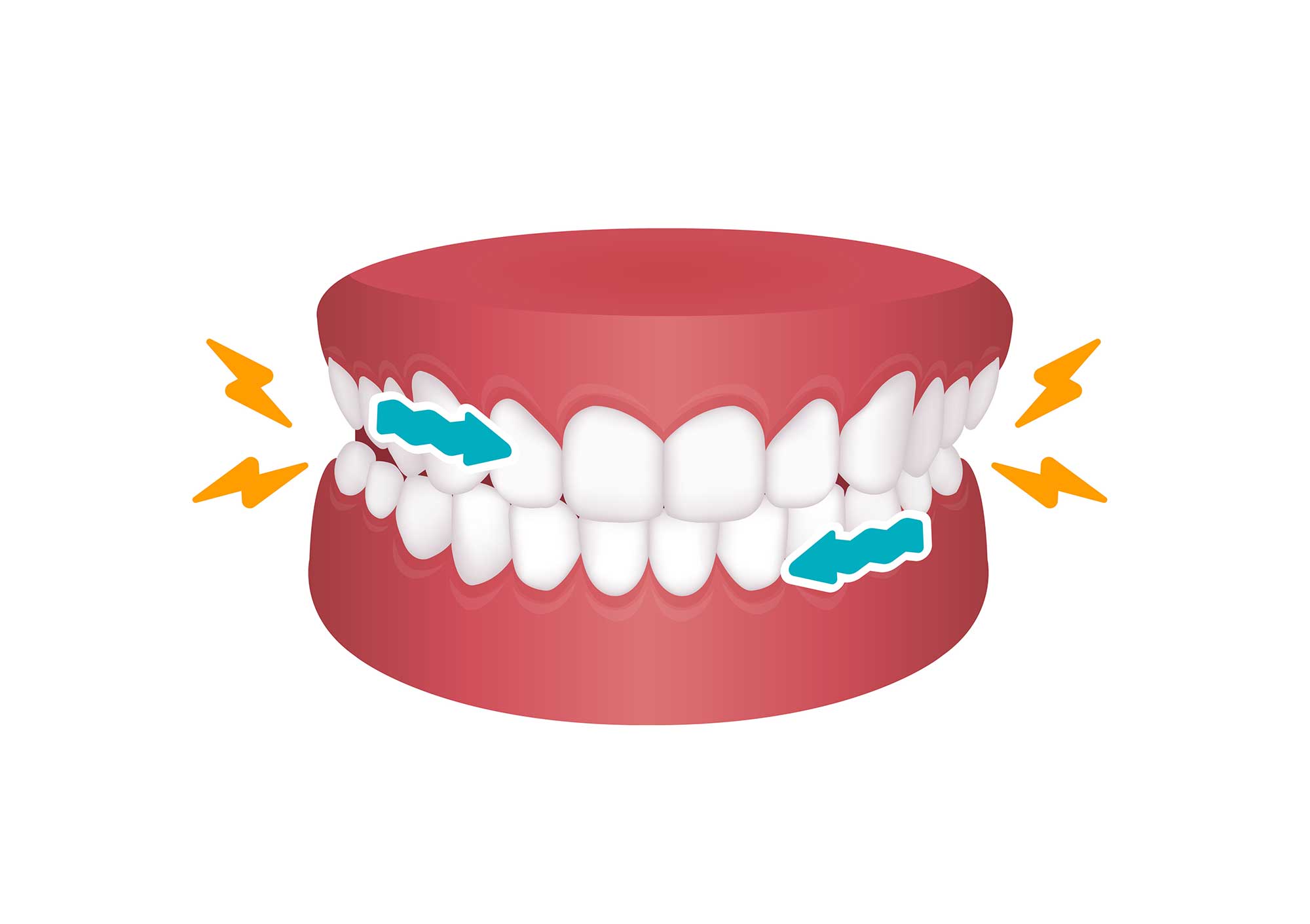
Bruxism is the involuntary or habitual grinding, gnashing, or clenching of teeth. It can occur during the day (awake bruxism) or at night (sleep bruxism). Many individuals aren't aware they're grinding their teeth, especially during sleep, as it often happens subconsciously when they're, well, asleep. But upon waking, their jaw can be sore, or they will have a headache, or even sensitive teeth. Occasional grinding might not cause harm, but frequent or intense bruxism can lead to significant dental and health problems, so you should get it checked out and follow any instructions your healthcare provider, dentist, or dental hygienist gives you.
Common Causes of Teeth Grinding
The exact cause of bruxism remains unknown. However, several factors may contribute to grinding:
- Stress and Anxiety: Emotional stress, anxiety, and tension are among the most common triggers. People under pressure may unconsciously clench their jaws or grind their teeth
- Sleep Disorders: Sleep apnea and snoring can disrupt sleep patterns and lead to bruxism
- Medications: Certain medications can have side effects that include teeth grinding, especially some antidepressants
- Lifestyle Factors: Excessive consumption of some substances can increase the likelihood of bruxism, including alcohol, caffeine, and tobacco
- Dental Issues: Misaligned teeth and an abnormal bite can contribute to teeth grinding
- Genetics: A family history of bruxism may increase the risk of teeth grinding
Recognizing the Symptoms
Bruxism can show in many ways, so you might notice some of the following:
- Waking up with a sore jaw or facial pain?
- Flattened, chipped, or worn-down teeth?
- Frequent headaches, particularly in the temples?
- Tooth sensitivity or pain?
- Tight or stiff jaw muscles?
- Earaches that occur without an ear infection?
- Disrupted sleep, involving waking up frequently during the night?
If you have any of these symptoms, it is important to consult with a dentist or other healthcare provider to get a proper evaluation and treatment plan.
Treatment Options

Mouthguards and Splints
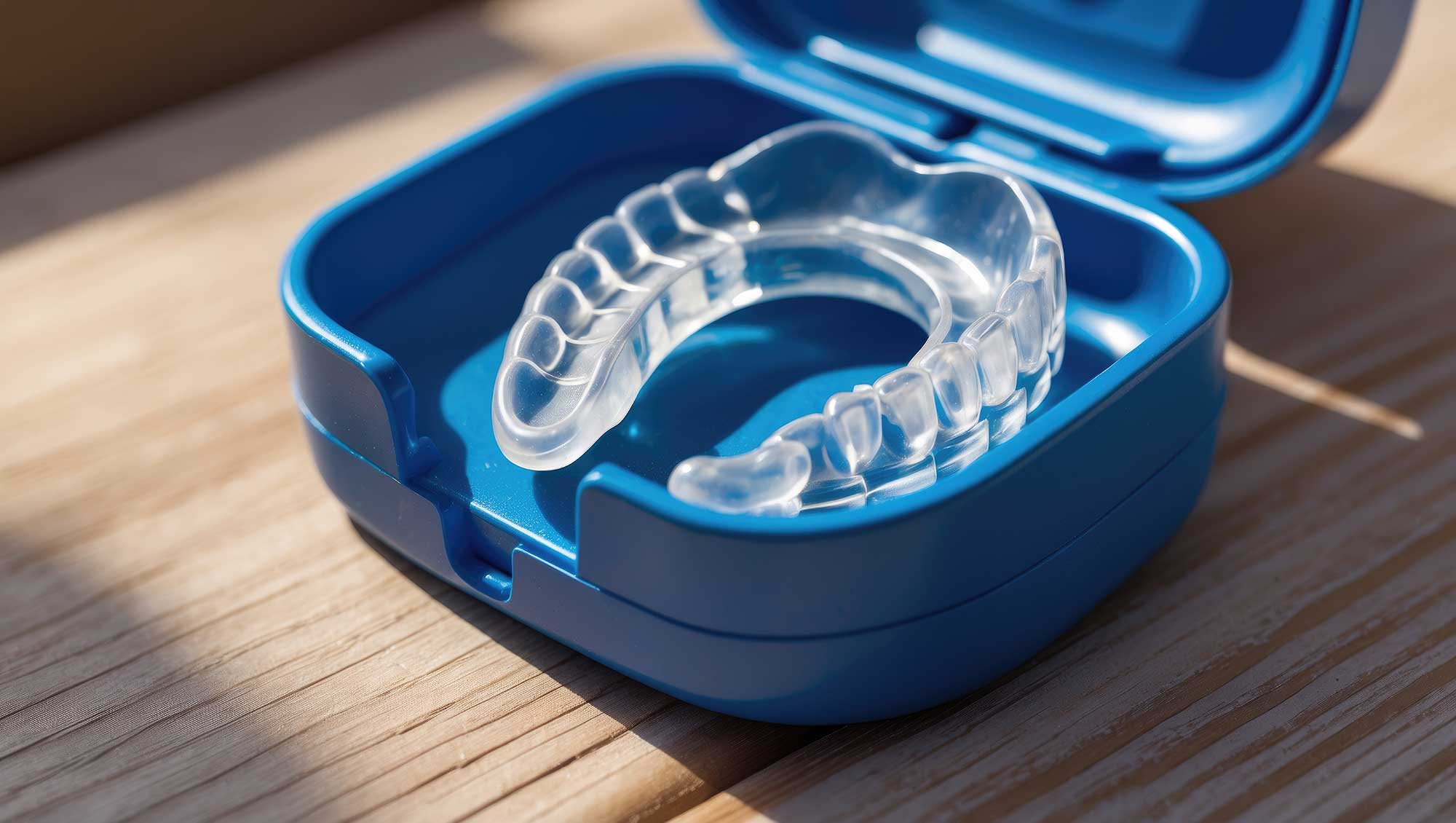
Dentists often recommend custom-fitted mouthguards or splits because they protect teeth from the damage grinding causes. They create a barrier between the upper and lower teeth, which reduces wear and prevents tooth damage. They don't stop the grinding, but they can minimize the impact of grinding.
Stress Management Techniques
Stress is a significant contributor to bruxism, so adopting relaxation strategies can help reduce stress levels and teeth grinding. These can include meditation, deep breathing exercises, yoga, and regular physical activity.
Behavioral Therapy
Cognitive Behavior Therapy (CBT) can be effective in addressing the underlying psychological factors that contribute to bruxism. It helps individuals recognize and change negative thought patterns and behaviors. This can potentially reduce the frequency of teeth grinding episodes.
Medication
In some cases, healthcare providers may prescribe medications to manage bruxism. Medications are typically considered when other treatments haven't been effective. These include muscle relaxants taken before bedtime to alleviate jaw muscle tension. Medications to address anxiety or depression can help if bruxism is linked to these conditions.
Botox Injections
For severe cases of bruxism that don't respond to other treatments, Botox can temporarily weaken the muscles responsible for grinding and provide relief from symptoms.
Dental Corrections
Dental procedures may be necessary if misaligned teeth or an abnormal bite are contributing to bruxism, including orthodontics or reshaping teeth. The aim is to correct the alignment and reduce the urge to grind.
Lifestyle Modifications to Prevent Bruxism
Incorporating certain habits into your daily life can help prevent or reduce bruxism:
- 1. Establish a relaxing bedtime routine: Practice calming activities before bed to promote relaxation, such as reading or taking a warm bath
- 2. Limit Stimulants: Avoid consuming stimulating substances such as caffeine, alcohol, and nicotine, especially in the hours leading up to bedtime
- 3. Maintain Good Sleep Hygiene: To improve sleep quality, keep a consistent sleep schedule and create a comfortable sleep environment
- 4. Be Mindful of Jaw Clenching: Make a conscious effort to keep your teeth apart and relax your jaw muscles
- 5. Regular Dental Check-ups: Visit your dentist regularly to monitor signs of bruxism and address any issues promptly
When to Seek Professional Help
As symptoms become more frequent or noticeable, it's probably time to consult with a dentist or dental hygienist, especially if you experience frequent headaches, jaw pain, tooth sensitivity, or notice visible damage to your teeth. As with so many dental conditions, early intervention can prevent more severe complications. So, a professional should assess the severity of the condition and recommend appropriate treatments to prevent long-term damage.
Summary
Bruxism is a common condition where individuals grind or clench their teeth, often without realizing it. While occasional teeth grinding is normal, persistent bruxism can lead to significant dental and health issues, including tooth damage and jaw pain. Understanding the underlying causes, such as stress, sleep disorders, and certain lifestyle habits, is the first step in managing the condition. Recognizing symptoms like tooth wear, jaw pain, headaches, and visible tooth damage can help you to seek timely intervention.
Treatment options range from protective mouthguards and splints to stress reduction techniques and, in some cases, medications. Lifestyle modifications can help, including improving sleep and reducing intake of certain substances, such as caffeine, alcohol, and tobacco, especially in the evening
By addressing bruxism early and adopting appropriate management strategies, individuals can protect their dental health and improve their overall well-being. If you worry, you're experiencing bruxism, don't hesitate to consult a healthcare professional for a proper diagnosis and specific treatment strategies
Oral Health Issues and How to Prevent Them
Common oral health issues can include cavities and tooth decay, gum disease, staining and sensitivity. The main culprit of which is often plaque buildup—a sticky film of bacteria that forms on teeth. If not treated, these conditions can lead to tooth loss and may even affect your overall health.
By following a complete oral care routine, you can help nip these issues in the bud, for a stronger, healthier smile:
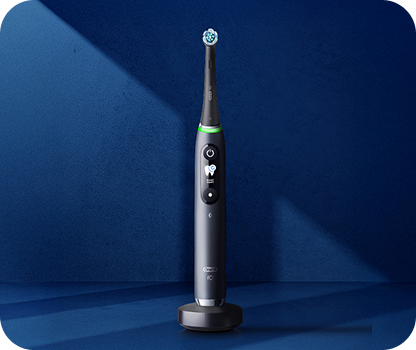
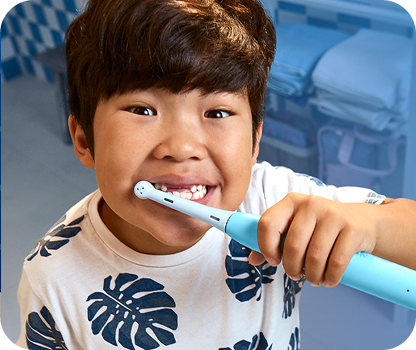
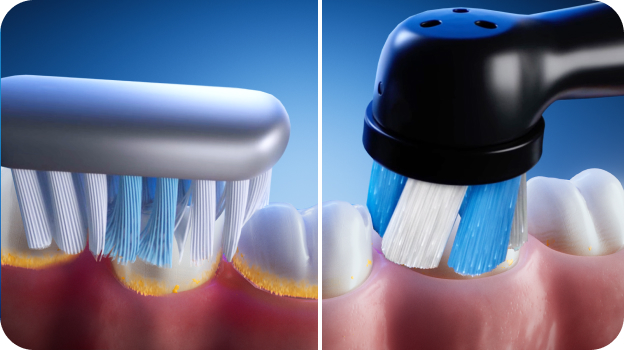
- Brush 2X/day with an Oral-B iO Electric Toothbrush: An electric toothbrush, like an Oral-B iO, helps remove up to 100% more plaque along the gumline than a regular manual toothbrush.
The dentist-inspired round brush head surrounds each tooth as it adapts to the curves of teeth and gums to ensure a cleaner, healthier smile—even in hard-to-reach areas.
- Protect Your Smile with Crest Pro-Health Toothpaste: Make sure to brush twice a day with a stannous fluoride toothpaste. Not only does it help fight cavities and tooth decay, a Crest toothpaste formulated with stannous fluoride also keeps enamel strong, fights sensitivity, and offers 24-hour protection against plaque buildup with twice-daily brushing.
- Rinse with Crest Pro-Health Mouthwash: Swish with an antibacterial mouthwash to help kill plaque bacteria, support gum health and leave your mouth feeling clean and fresh.
- Pair String Floss with an Oral-B Water Flosser: Flossing once daily helps dislodge plaque and debris from between teeth. Adding a water flosser to your routine can help remove any leftover food particles and plaque buildup for an added layer of protection.
By following a thorough oral care routine at home and visiting your dental professional at least twice a year, you can reduce the risk of developing tooth decay, gum disease, and protect your smile for years to come.
FAQs
-
How can I stop grinding my teeth?
-
What are the best ways to stop grinding my teeth at night?
-
Are there natural ways to stop grinding my teeth during sleep?
Sources
- https://my.clevelandclinic.org/health/diseases/10955-teeth-grinding-bruxism
- https://www.healthline.com/health/how-to-stop-grinding-teeth
- https://www.hopkinsmedicine.org/health/conditions-and-diseases/bruxism
- https://www.mayoclinic.org/diseases-conditions/bruxism/diagnosis-treatment/drc-20356100
- https://www.ada.org/resources/ada-library/oral-health-topics/home-care
- https://www.cdc.gov/oral-health/prevention/oral-health-tips-for-adults.html
- https://my.clevelandclinic.org/health/treatments/16914-oral-hygiene
- https://www.mayoclinic.org/healthy-lifestyle/adult-health/in-depth/dental/
- https://www.nidcr.nih.gov/health-info/oral-hygiene
Biesbrock, A. R., et al. (2025). Randomized clinical trial evaluating kinetic benefits of desensitizing agents: Magnitude, onset, and stability of relief. Journal of periodontology, 10.1002/JPER.24-0688. Advance online publication. https://doi.org/10.1002/JPER.24-0688
Grender, J., et al. (2020). An 8-week randomized controlled trial comparing the effect of a novel oscillating-rotating toothbrush versus a manual toothbrush on plaque and gingivitis. International Dental Journal, 70, S7-S15. https://doi.org/10.1111/idj.12571
He, T., et al. (2022). Novel findings on anti-plaque effects of stannous fluoride. American Journal of Dentistry, 35(6), 297-307. https://pubmed.ncbi.nlm.nih.gov/36508185/
Kiesow, A., et al (2024). High-Resolution Characterization of Enamel Remineralization Using Time-of-Flight Secondary Ion Mass Spectrometry and Electron Microscopy. Caries Research, 58(4), 407–420. https://doi.org/10.1159/000535979
Table of Contents
- What is Bruxism?
- Common Causes of Teeth Grinding
- Recognizing the Symptoms
- Treatment Options
- Lifestyle Modifications to Prevent Bruxism
- When to Seek Professional Help
- Summary
- Oral Health Issues and How to Prevent Them
-
- FAQs
- Sources

This blog has been reviewed and approved by Dr Robert Lee, a dental professional of 35 years
LEARN MORE >
Sign Up
to get tips about healthy teeth, expert advice, and exclusive offers.
Sign Up
to get tips about healthy teeth, expert advice, and exclusive offers.