Why Do My Gums Bleed When I Brush My Teeth?

SUMMARY
Key Takeaways
- Bleeding gums are caused by several things. Some are minor and easy to fix. But they can also indicate something serious, such as gum disease. So, when your gums bleed, make sure to take care of it as soon as possible.
- Bleeding gums are a sign that something is not right with your mouth. It can be something as minor as vigorous brushing or something more serious such as gum disease. Your dentist will be able to tell you for sure.
- They have a variety of causes, the most typical being gum disease. Your dentist can help figure out what’s going on. Once you have a diagnosis, they’ll be able to recommend the right treatment.
- There are many effective treatments for bleeding gums. They vary depending on whether the problem is caused by gum disease or something else.
- The worst thing you can do is do nothing. Left untreated, it can lead to infection, bad breath, and possibly even tooth loss.
- The best treatment is prevention. An effective, consistent oral health routine is important. That includes brushing twice a day, flossing, and regular visits to your dentist.
Table of Contents

This blog has been reviewed and approved by Dr Robert Lee, a dental professional of 35 years
LEARN MORE >Key Takeaways
Should I Be Worried about Bleeding Gums / What Does It Mean?

Sometimes, our gums bleed. That can be because of things like biting into something hard, like a crunchy snack. It happens and isn’t usually something to be too concerned about. But if you look down and see blood in the sink while brushing, that warrants figuring out what’s happening.
There are many causes of bleeding gums, from relatively minor to serious and urgent. It can be caused by brushing your teeth too vigorously or wearing dentures that don’t fit correctly. However, it’s also a common symptom of serious problems such as gum disease and can indicate other health problems.
What Causes Bleeding Gums?

There are various reasons with varying degrees of seriousness. The most typical cause is gum disease. However, if you have bleeding gums but you don’t have gum disease, your provider will need to find out what’s going on. They may test to determine if you have diabetes, vitamin deficiencies or other underlying health conditions. Once you receive a diagnosis, then your provider will be able to recommend the right treatment.
Here are some of the most common causes:
Gingivitis (aka Inflamed Gums)
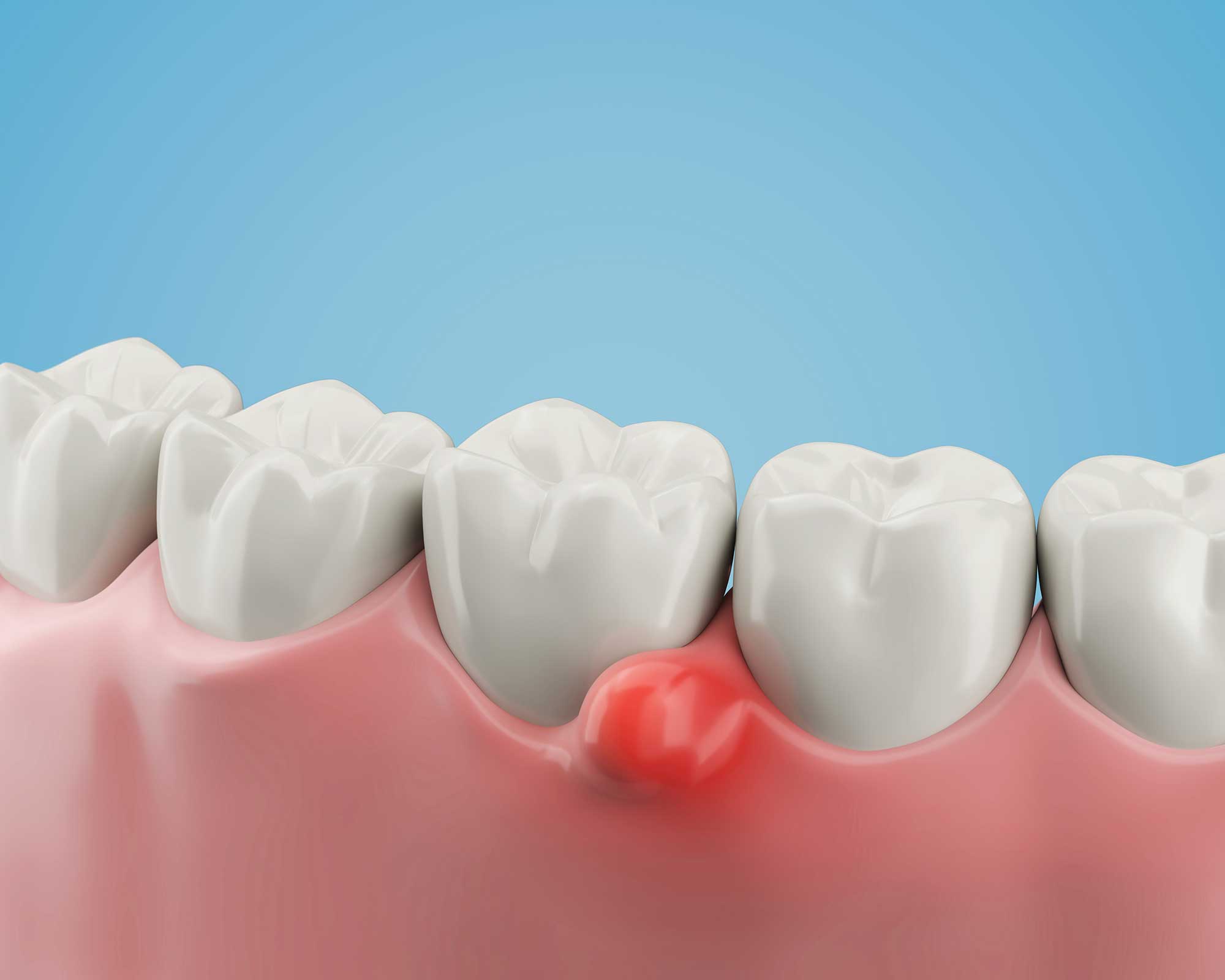
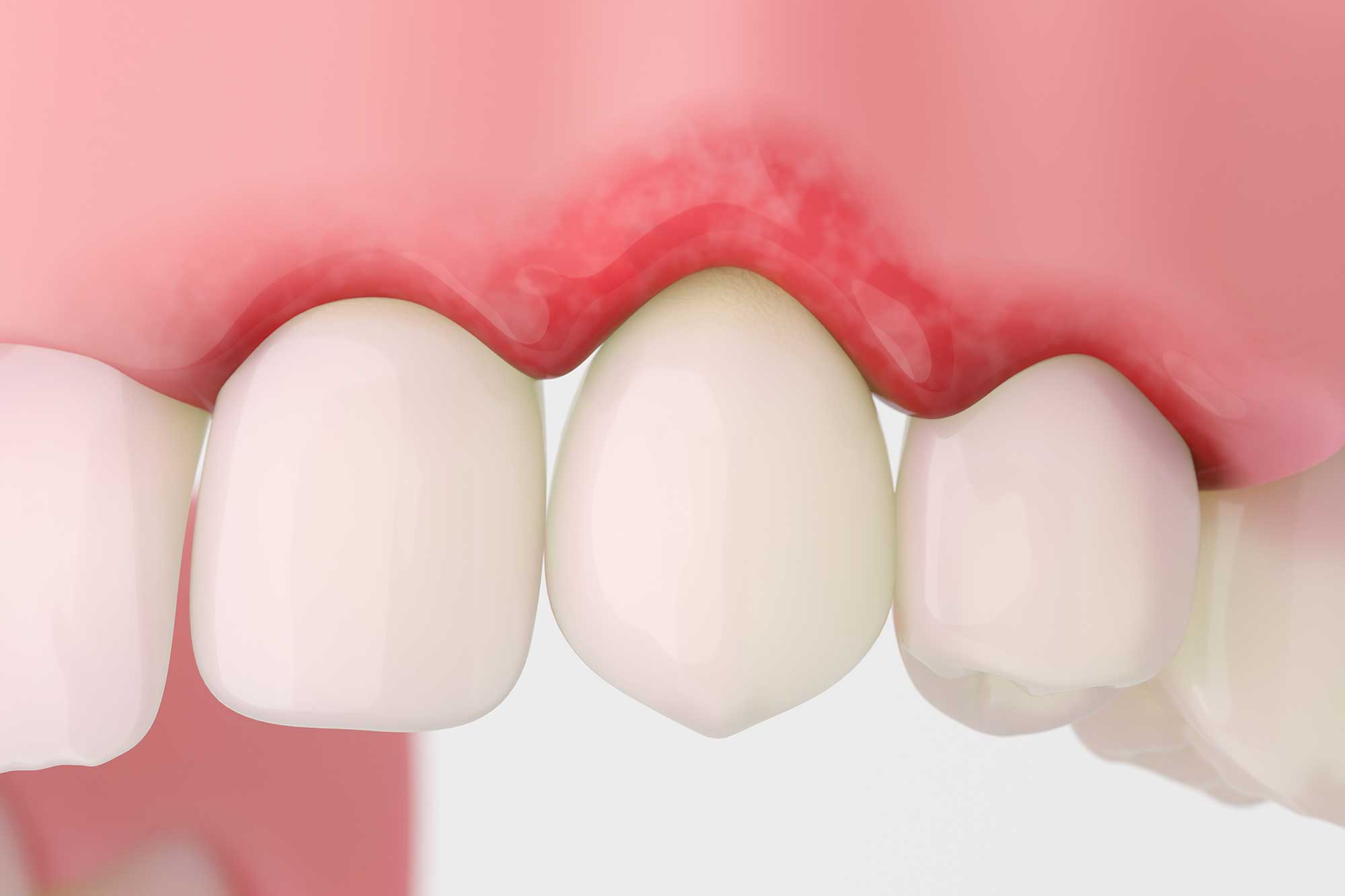
This is the earliest stage of gum disease, and plaque buildup is a big part of this. Bacteria in plaque irritate the gums, causing them to become inflamed, red, and swollen. This makes the gums more sensitive and prone to bleeding, especially when brushing or flossing.
This is a form of gum disease so advanced that it has its own name. As the disease progresses from moderate to advanced disease, it can cause the connective tissue that holds your teeth in place to deteriorate.
Aggressive Brushing
Brushing too hard or using a toothbrush with stiff bristles can damage the delicate gum tissue, leading to bleeding. Overly aggressive brushing can also cause microscopic cuts in your gums. Even seemingly minor cuts can cause problems for your gums, especially if they’re already inflamed. To learn to brush your teeth properly (you’re never too old), check out this helpful tutorial: how to brush teeth properly.
Nutrient Deficiencies
Lack of certain vitamins can weaken gum tissue and make it more prone to bleeding. So, make sure you’re getting enough vitamin C, vitamin K and Vitamin B12.
Hormonal Changes
Fluctuations during pregnancy or menstruation can sometimes cause gum inflammation and bleeding.
Medications
Certain medications can increase the risk of bleeding. So if you’re on like blood thinners, or other medications known to have this as a side effect, stay alert.
Diabetes
Poorly controlled diabetes can impair wound healing and increase the risk of gum disease and bleeding.
Smoking
Yet another way smoking is bad for you. Smoking has been shown to have detrimental health effects when it comes to your oral health.
Ill-Fitting Dentures
Dentures that don’t fit correctly can rub the gums causing sensitivity and sometimes bleeding.
Blood-Clotting Disorders
If you have a lack of clotting cells (platelets), it can lead to bleeding gums.
Leukemia
Although rare, bleeding gums can be an indicator of leukemia, a cancer of the blood.
Treatment Options: Healthy Gums Ahead
The treatment varies because it depends on the underlying cause. It tends to break down into two camps: if the problem is caused by gum disease or not.
If bleeding gums are a result of gum disease, count on a dentist or periodontist to recommend the appropriate treatment.
If you don’t have gum disease, you will need to find out what’s going on. Your healthcare expert may recommend testing to determine if you have diabetes, vitamin deficiencies, or other underlying health conditions. It could even be blood-clotting disorders. Once you receive a diagnosis, then your provider can recommend the right treatment.
Common treatments include improved oral hygiene at home. It’s the most effective home remedy for bleeding gums. You may also want to be a little cautious about extremely hot or cold foods and drinks. They can exacerbate gum problems. And finally, exhale and relax. If you’re stressed out, it raises the levels of cortisol, which is a stress hormone. Cortisol can increase the likelihood of inflammation throughout your body, including your gums.
At the professional level, a treatment plan might include antibiotics, tooth scaling and root planning, laser periodontal surgery, or osseous surgery (which reduces the size of the pockets around your teeth).
Don’t Ignore It and Do Nothing
The worst thing you can do is nothing, especially if gum disease is the issue. Left untreated, gum disease erodes the tissue, ligaments, and even the bones that support your teeth. This can lead to a vicious cycle of infection, bad breath, and possibly even tooth loss.
So, if your gums are bleeding when brushing, that’s a red flag. You can start by stepping up your oral health game. Bleeding gums sometimes go away on their own—or with a more vigilant oral health routine.,
However, if you have gums that don’t improve within two weeks, you should schedule an appointment with a dentist. They can determine whether the issue is gum disease or something else. They can prescribe a treatment, which is typically a deep cleaning. Or an alternative treatment if it’s caused by a different underlying condition.
The Best Treatment is Prevention
As with so many things related to your health, the best treatment is to not develop a problem in the first place. This is where an effective, consistent oral health routine is so important. That includes all things related to gum health: brushing twice a day, flossing (yes, every day), and regular visits to your dentist.
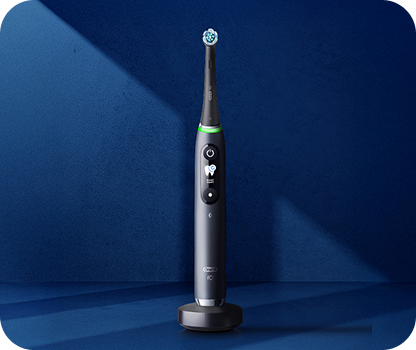
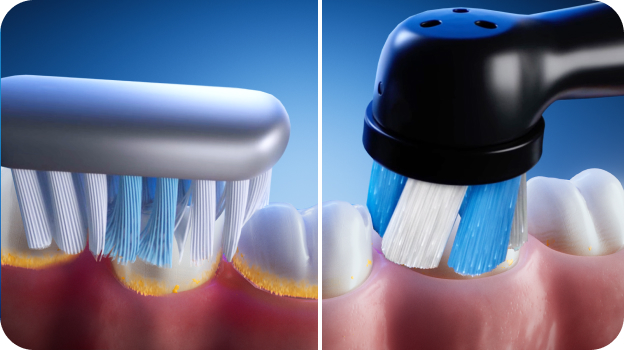
Brushing is your first line of defence, so brush well and often. Electric toothbrushes can often provide a more thorough cleaning than traditional brushes. We might be slightly biased, but the Oral-B electric toothbrush can help keep your gums healthy, pink, and immaculate. But don’t overdo it; brush well, but not too vigorously. There are also special toothpastes designed to help with sensitivity. One of the most effective is Crest Pro-Health Advanced Sensitive Relief Toothpaste.
If you want to be an oral hygiene superstar, you can also rinse your mouth with warm saltwater and use an antibacterial mouthwash. Oh, and avoid smoking. Everyone knows it’s bad for your lungs, but it also has a significant impact on your oral health.
Summary
Gums bleeding when brushing shouldn’t be ignored. Several things can cause them, some relatively minor such as brushing too vigorously or vitamin deficiency. But they can also indicate something more serious, such as gum disease, hormonal changes or blood disorders. So, when your gums bleed, it’s crucial to not ignore it.
Fortunately, there are many treatments, including home remedies and improved oral hygiene. And your dentist can offer even more, including antibiotics and laser periodontal surgery. But those treatments are only available if you decide to do something about it.
Of course, prevention is the best method of all. A consistent oral health routine includes brushing 2-3 times a day, flossing, and regular dental visits. That can keep the problem of bleeding gums from happening in the first place.
Oral-B Knows That Healthy Gums Are the Foundation of a Healthy Mouth
Healthy gums are crucial to tooth and mouth health. In the event of gum disease (also known as gingivitis), the first line of defense is to see a dental professional. They can do a proper examination, determine the level of periodontal disease, and recommend treatments. But there are things you can do to help.
- Try switching to an electric toothbrush, such as the Oral-B iO electric toothbrush, which protects teeth and gums from the leading causes of tooth decay, signs of early gum disease, and tooth loss.
- Use with Crest Pro-Health Advanced Toothpaste that's made with patented stannous fluoride. It will help strengthen teeth and neutralize plaque bacteria that can lead to tooth decay and tartar.
- The right toothbrush head, such as the Oral-B iO Gentle Care brush head, contain dentist-inspired soft bristles and optimized bristle patterns that adapt to the curves of the teeth and gums and provide a gentle clean with maximum comfort.
- Crest Gum Care Mouthwash is proven to reduce the early signs of gum disease, including bleeding gums, reduce gum inflammation, and kills plaque and bad breath germs.
- Glide Floss's microtextured fiber removes plaque bacteria where a brush can’t reach to help prevent gingivitis as part of a complete dental plan.
FAQs
-
What deficiency causes bleeding gums
-
How do you stop gums from bleeding when flossing?
-
How long does it take for gums to stop bleeding?
-
What kind of antibiotics help treat gum disease and bleeding?
Sources
- https://www.webmd.com/oral-health/gum-problem-basics-sore-swollen-and-bleeding-gums
- https://my.clevelandclinic.org/health/symptoms/24908-bleeding-gums
Adam, R., et al. (2020). Evaluation of an oscillating-rotating toothbrush with micro-vibrations versus a sonic toothbrush for the reduction of plaque and gingivitis: Results from a randomized controlled trial. International Dental Journal, 70(suppl 1), S16-S21. https://doi.org/10.1111/idj.12569
Biesbrock, A. R., et al. (2025). Randomized clinical trial evaluating kinetic benefits of desensitizing agents: Magnitude, onset, and stability of relief. Journal of periodontology, 10.1002/JPER.24-0688. Advance online publication. https://doi.org/10.1002/JPER.24-0688
Chen, C. K., et al. (2017). Association between chronic periodontitis and the risk of Alzheimer's disease: A retrospective, population-based, matched-cohort study. Alzheimer's Research & Therapy, 9, 56. https://doi.org/10.1186/s13195-017-0282-6
Goyal, C. R., et al. (2021). A 6-month randomized controlled trial evaluating a novel smart-connected oscillating-rotating toothbrush versus a smart-connected sonic toothbrush for the reduction of plaque and gingivitis. American Journal of Dentistry, 34(1), 54-60. https://pubmed.ncbi.nlm.nih.gov/33544990/
Grender, J., et al. (2020). An 8-week randomized controlled trial comparing the effect of a novel oscillating-rotating toothbrush versus a manual toothbrush on plaque and gingivitis. International Dental Journal, 70, S7–S15. https://doi.org/10.1111/idj.12571
Grossi, S. G., et al. (1998). Periodontal disease and diabetes mellitus: A two-way relationship. Annals of Periodontology, 3, 51-61. https://doi.org/10.1902/annals.1998.3.1.51
Janket, S. J., et al. (2003). Meta-analysis of periodontal disease and risk for coronary heart disease and stroke. Oral Surgery, Oral Medicine, Oral Pathology, Oral Radiology, and Endodontology, 95, 559-569. https://doi.org/10.1067/moe.2003.107
Kocher, T., et al. (2025). Trends in periodontal status: results from the German Oral Health studies from 2005 to 2023. Quintessence International (Berlin, Germany : 1985), 56(11), S48–S58. https://doi.org/10.3290/j.qi.b5981996
Li, Y., et al. (2024). Enhanced control of periodontitis by an artificial intelligence-enabled multimodal-sensing toothbrush and targeted mHealth micromessages: A randomized trial. Journal of Clinical Periodontology, 51(12), 1632–1643. https://doi.org/10.1111/jcpe.13987
Table of Contents
- Should I Be Worried about Bleeding Gums / What Does It Mean?
- What Causes Bleeding Gums?
- Treatment Options: Healthy Gums Ahead
- Don’t Ignore It and Do Nothing
- The Best Treatment is Prevention
- Summary
- Oral-B Knows That Healthy Gums Are The Foundation of a Healthy Mouth
-
- FAQs
- Sources

This blog has been reviewed and approved by Dr Robert Lee, a dental professional of 35 years
LEARN MORE >
Sign Up
for gum care tips, expert advice, and exclusive offers.
Sign Up
for gum care tips, expert advice, and exclusive offers.