Denture adhesive is a non-toxic, water-soluble material that is placed between the denture and the tissues in your mouth to enhance the normal physiological forces that hold dentures in place. It can come in both cream and powder form and reduces movement and slippage when you do things like eat, speak, laugh, cough or sneeze.
Read more
Cleaning teeth regularly is especially important for people with diabetes because they often suffer from dry mouth, or xerostomia. Chronic dry mouth can lead to tooth decay because there's not enough saliva to wash away food particles and bacteria, and to buffer the acid that causes decay.
Read more
Dental implants can significantly improve the appearance of your smile while helping to promote healthy gums and teeth. But what happens before, during, and after an implant surgery? You may be wondering how long the procedure will take, if dental implants are painful, and what to expect during recovery
Read more
TMJ stands for Temporomandibular Joint, and involves dysfunction of the joints in the jaw. Keep in mind that occasional discomfort in the jaw joint or chewing muscles is common and is not a cause for concern. Many people with TMJ problems get better without treatment. Often the problem goes away on its own in several weeks to months.
Read more
Canker sores are small but painful lesions that appear inside the mouth. They’re common and typically heal on their own within one to two weeks. Understanding their causes—such as mouth injuries, certain foods, and stress—and recognizing the symptoms can aid in managing and preventing these sores. Treatment options include over-the-counter topical treatments, mouth rinses, and prescription medications for severe cases. Preventive measures like maintaining good oral hygiene, avoiding known triggers, and managing stress can help reduce the frequency of canker sores.
Read more
Braces can help realign your teeth and make for a nice smile, but even so many people want to get them off as soon as possible. There are several things you can do to help keep your mouth clean and help let your braces do the work they need to.
Read more
Once upon a time, toothpaste just tasted like, well, toothpaste. For many years, the only flavor choices were mint, and perhaps peppermint or spearmint.
Read more
Regular monthly follow-up visits for braces patients. Elastic bands are replaced and archwires may be replaced or adjusted as needed.
Read more
Following a consistent oral health care routine is especially important for pregnant women for several reasons. Pregnancy changes the hormones in the body that put pregnant women at increased risk for periodontal disease, which is the most severe form of gum disease. A
Read more
You should be prepared for the fact that taking care of your teeth will be more difficult once you get braces. Braces have countless tiny spaces to trap food, and this trapped food causes plaque, which can lead to many other dental problems. Because of this, it's very important to brush your teeth after every meal (snacks count, too), to rinse with mouthwash, and to floss at least once a day. This may seem tedious or excessive, but neglecting your oral hygiene can lead to serious oral health problems, force you to spend additional time in braces, or cause unsightly staining on your teeth. The extra responsibility needed to care for braces properly is something that both you and your child should be prepared for.
Read more
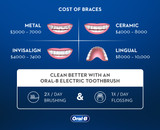
The cost range for braces can vary greatly for each type:
Read more
It’s always best to be prepared, and knowing how to be ready for a dental emergency can be important to your oral health. If left untreated, a chipped or broken tooth, or a broken crown or filling can provide an opening for cavities because the damaged area is hard to keep clean.
Read more
Finding the right dentist for you and your family involves a combination of factors. But it all comes down to the four C’s: Competence, convenience, compatibility and cost.
Read more
Brushing a child’s teeth is important for many reasons. Primary teeth keep your child’s jaw straight, hold the space for adult teeth, and play an important role in how children learn to chew, smile, and talk. Having healthy teeth will also help with confidence and participation in their education and social life. Establishing good oral health habits early on will help encourage lifelong patterns.
Read more
Dental sealants or tooth sealants help to provide extra protection for your teeth if you’re susceptible to cavities or if you’re unlikely to have adequate exposure to fluoride. Tooth sealants covers teeth and help protects them from plaque.
Read more
Pediatricians recommend cleaning baby’s teeth and gums every day, starting from birth. Gently massage gums with a damp cloth and brush baby teeth with an extra-soft bristled toothbrush and fluoride-free toothpaste.
Read more
Wipe your baby’s gums with a damp washcloth before teeth come in, then brush as soon as the first tooth appears. Help toddlers brush, and keep supervising as your child learns to brush well for the full 2 minutes. If you choose an electric toothbrush, pick one that’s right for your child’s age.
Read more
Dental implants are a form of restorative dentistry that helps improve the quality and appearance of your smile. Made to look and function exactly like your natural teeth, dental implants can be the perfect option for anyone with missing or damaged teeth.
Read more
Tooth decay begins when the enamel begins to break down, creating pockets of decay on the surface of the teeth. Prevent early tooth decay with a good oral hygiene routine. Brush with a fluoride toothpaste and an Oral-B electric toothbrush to help remove more plaque and help prevent cavities from forming in the first place.
Read more
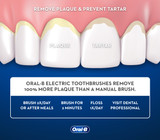
The best way to remove plaque buildup is with a complete oral hygiene routine. When plaque bacteria are not regularly removed thorough a proper oral care routine it can lead to tartar buildup, cavities, and gum disease. An Oral-B electric toothbrush removes 100% more plaque than a regular manual toothbrush, helping to maintain your oral health by adapting to each of your unique teeth for a more perfect clean.
Read more
Do you ever feel like you’re drowning in spit? Welcome to ptyalism! Ptyalism is an uncomfortable and sometimes embarrassing condition where your mouth just won’t quit with the drooling or constant swallowing. It could happen during pregnancy, happen with certain health issues, or be a side effect of medication. It’s usually harmless but it’s far from pleasant. In this article, we'll break down why it happens, simple ways to treat it, and smart habits that can help prevent it—all in straightforward, everyday language.
Read more
There is some anecdotal evidence that using hydrogen peroxide as a mouthwash when diluted by at least 50 percent water can help whiten your teeth. But for safety’s sake, it’s best to avoid “do-it-yourself” mouthwashes as a tooth-whitening strategy.
Read more
Managing your oral health is a whole different story when you've got braces. That's why Oral-B and Crest have teamed up with the American Association of Orthodontists and orthodontists worldwide, to create OrthoEssentials. It combines the best Crest and Oral-B products for people with braces with educational tools for better oral care.
Read more
Flossing is a vital part of maintaining good oral hygiene. In tandem with brushing, it helps prevent cavities, gum disease, and bad breath, and can even contribute to overall health. But doing it properly and thoroughly is important. By following the proper technique and incorporating flossing into your daily routine, you can enjoy a healthier smile and better well-being.
Read more
From the nickel in the button on your jeans to the herbal products in your expensive moisturizer, virtually any product that you use has the potential to cause an allergic reaction. But toothpaste ingredients should be low on your list of potential allergens.
Read more
Fluoride helps prevent tooth decay by slowing the breakdown of enamel and increasing the rate of the remineralization process. The new enamel crystals that form are harder, larger and more resistant to acid. Tooth enamel is hard yet porous. Plaque on the surface of your teeth can produce acids that seep into the pores (rods) of the enamel and break down its internal structure. This process, called demineralization, can create a weak spot in the tooth that may become a cavity if left untreated. Learning what fluoride does for the health of your teeth will help you become more aware of how to identify plaque and prevent it from becoming a cavity.
Read more
As you already know, your lifestyle and habits during pregnancy can affect your health as well as the health of your unborn baby. With all the things you need to be prepared for, your oral health may not exactly be top-of-mind. But maintaining the health of your teeth and gums is necessary to avoid the risk of developing pregnancy gingivitis and to establish good oral health long-term.
Read more
Children’s teeth begin forming before birth. The first primary, or baby, teeth erupt through the gums as early as four months. All 20 of the primary teeth usually appear by age three, although their pace and order of eruption varies. Permanent teeth begin appearing around age six. This process will continue until approximately age 21.
Read more
New wearers often report a “full-mouth” feeling, as though the dentures are too big and pushing the lips forward. This feeling will diminish as you adjust to wearing dentures. They may feel like they don’t fit properly at first. They may “gag” you or cause you to bite your cheek or tongue. If you wear an upper denture, it may take some time for your tongue to get used to the feeling of being pressed against the denture and not your palate. Don’t worry. These problems will decrease over time.
Read more
Need another reason to floss your teeth at least once a day? Flossing daily helps improve bad breath by effectively removing the food particles and bacteria that contribute to it. That makes flossing one of the easiest ways to prevent and banish bad breath. Bad breath, also known as halitosis, is more co
Read more
Braces have proven to be highly effective for straightening teeth and fixing other orthodontic problems. Braces can be used to treat many different oral conditions, beyond cosmetic reasons. Depending on your specific condition, braces may be the best option for your oral health and cosmetic appearance.
Read more
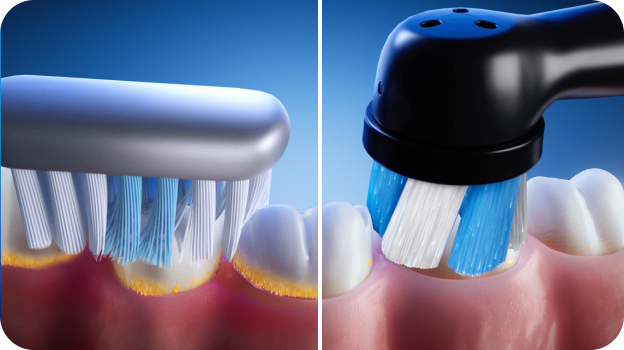
Research has shown that brushing with an electric toothbrush, like the Oral-B iO Series 2, can maintain gum health and prevent tooth loss. Plus, it delivers a perfect clean in just 1 touch thanks to its Super Sensitive mode and Smart Pressure Sensor—both designed to guarantee gum protection.
Read more
Flossing is one of those daily tasks that feels optional, so oftentimes it gets skipped. But that thin string does some big things. It gets to places your toothbrush can't, lifting out plaque and food bits hiding between teeth and along the gum line. Consistent flossing keeps your gums healthy and might even protect your heart. Once you get the hang of it, flossing will be a few simple minutes of your daily routine to protect your teeth and health. So, let’s learn the right way to floss, common mistakes, and helpful tools so you can make flossing an easy habit you’ll never skip.
Read more
Dental veneers are customized shells made of porcelain or a composite resin that fit over your teeth to improve their appearance. Veneers are especially helpful in improving your smile if you have teeth that are chipped, stained or misshapen. The purpose of veneers is generally cosmetic, but you may have them fitted as part of an overall dental makeover that includes treatment for gum disease.
Read more
When the X-rays pass through the mouth, the teeth and bones absorb more of the ray than the gums and soft tissues, so the teeth appear lighter on the final X-ray image (called a radiograph). Areas of tooth decay and infection look darker because they don’t absorb as much of the X-ray.
Read more
If you have a cracked or chipped tooth or teeth, you may be a candidate for dental bonding. Dental bonding involves the application of a tooth-colored plastic adhesive that your dentist will shape and polish to match the surrounding teeth. Dental bonding is relatively painless and is usually performed without anesthesia. If you’re having tooth bonding done on several teeth, you may need to schedule more than one visit; a dental bonding procedure on one tooth takes anywhere from 30 minutes to an hour.
Read more
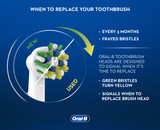
How Often Should You Change Your Toothbrush or Electric Toothbrush Head? Many dental professionals recommend changing your toothbrush about every three months, and the American Dental Association (ADA) recommends that you replace your toothbrush approximately every three to four months, or sooner if the bristles are frayed. Find out more about ADA accepted and recognized electric toothbrushes
Read more
Some pregnant women experience a condition called Dysgeusia, or changes in the tastebuds, during pregnancy. Fortunately, this condition resolves after pregnancy and is basically harmless, but it can be annoying for a pregnant woman who is trying to eat right, and maintain good dental hygiene and prevent cavities. Dysgeusia is distinct from the food cravings or food aversions that occur in pregnancy, when pregnant women seek out certain foods that they might not have liked in the past, or find that former favorite foods are unpalatable or taste strange.
Read more
Learning how to brush your teeth properly is the first step to maintaining healthy teeth and gums by removing food particles, plaque, and tartar from the surfaces of your teeth. Plus, it helps minimize the risk of tooth decay and gum disease, the major causes of tooth loss.
Read more
Unfortunately, there aren't many alternatives to braces, but there are alternatives to the metal braces that many people immediately picture. You can get clear or tooth-colored brackets and wires, which make braces much less noticeable. Some patients are also eligible for Invisalign instead of traditional braces. There are also other types of removable appliances that can help align teeth.
Read more
Many dental professionals believe that twice-daily brushing with a fluoride toothpaste provides enough fluoride for cavity protection. But if you're prone to cavities, you can use a fluoride mouthwash in addition to brushing and flossing your teeth.
Read more
One of the key things you'll need to know when considering which type of mouthwash to use for your oral care routine is the differences between them.
Read more
When you use a fluoride toothpaste, you’re strengthening your tooth enamel, which helps to prevent tooth decay. Fluoride can also help repair teeth that have suffered minor tooth decalcification (first step in the breakdown of the tooth surface). You can also get fluoride from fluoridated tap water. But many scientific studies over decades have shown that fluoride toothpaste helps keep cavities at bay, and that regular brushing with a fluoride toothpaste is a reliable way to promote oral health. For people over the age of six, using a fluoride toothpaste is a good idea. It may also be a good idea for younger patients if they are at a high risk for cavities.
Read more
When used regularly, a whitening toothpaste can help remove stains and plaque and contribute to a healthy smile. In fact, they are specially formulated to remove surface stains from natural teeth. They usually contain mild abrasives, such as hydrated silica, or chemicals with stain-dissolving properties, such as sodium hexametaphosphate.
Read more
Cold sores are reactivations of the herpes simplex virus (HSV) and appear as lesions on the outside of the lip. Herpes simplex virus stays dormant in your body once you have been infected with it and cold sores are signs you are having a flare-up of the infection. Cold sores can also create additional problems for people with HIV or AIDS.
Read more
Introduce an Oral-B Kids Electric Toothbrush to your child's oral care routine at the age of 3 to better protect them from cavities and gingivitis. Oral-B Kids' Electric Toothbrushes remove 100% more plaque than a regular manual toothbrush to better prevent cavities and strengthen their smile.
Read more
Enamel erosion isn't just about cavities. It's when your tooth's protective layer wears thin over time. Enamel erosion often happens slowly, so many people don't notice it until they start seeing yellowish color or feel sensitivity. But with simple changes in diet, daily habits, and dental care, you can stop it early and keep your teeth strong. If it's already started, dentists have effective options to restore enamel and ease discomfort. Let's dive into what enamel erosion is, what causes it, what signs to look for, and how to treat and prevent it.
Read more
Dental implants are a permanent solution that aims to fix the appearance of your smile. As a restorative option, dental implants are more than just a cosmetic treatment. Implants look and feel just like your natural teeth as they work to preserve your overall oral health.
Read more
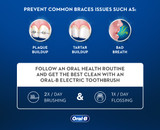
Prevent common braces problems such as plaque buildup, tartar, and bad breath with a complete oral care routine. Brush with an electric toothbrush to further remove more plaque and trapped food from brackets and wires.
Read more
Your dentures will last longer and fit better if you take proper care of them. Keep these points in mind to keep your dentures in top shape:
Read more