Sensitivity, also known as dental hypersensitivity or dentinal hypersensitivity, is the pain experienced, usually when eating or drinking. Most people have experienced a form of tooth pain at some point in their lives, so if you’re experiencing sensitivity, you’re not alone. Fortunately, there are several ways of treating sensitive teeth. This article will help you find the best sensitivity toothpaste for your needs.
Read more
Bacteria caused by plaque can lead to bad breath. When it comes to keeping your mouth fresh and clean, Oral-B® Electric Toothbrushes remove 100% more plaque. Check out the features of our electric toothbrushes that help to keep your mouth clean and your breath fresh. Beat bad breath with Oral-B.
Read more
Preventing gingivitis is essential to oral health. Oral-B® Electric Toothbrushes are one of the most effective tools you can use to help keep your gums healthy. Learn more about the best electric toothbrush for gum health.
Read more
Yes. In fact, recent research analyzed twenty-six randomized clinical trials across three continents and found that Oral-B iO was by far the best toothbrush for not only plaque reduction but also gum health improvement and transition to gum health compared to manual and sonic toothbrushes. One of the most basic things you can do to prevent plaque from forming is to commit to a good oral health care routine. Using an Oral-B® Electric Toothbrush with oscillating-rotating technology along with a Crest® Pro-Health™ toothpaste and antibacterial rinse—along with regular dental visits—is one of the most effective ways to keep your routine on point and plaque at bay.
Read more
TMJ stands for Temporomandibular Joint, and involves dysfunction of the joints in the jaw. Keep in mind that occasional discomfort in the jaw joint or chewing muscles is common and is not a cause for concern. Many people with TMJ problems get better without treatment. Often the problem goes away on its own in several weeks to months.
Read more
Canker sores are small but painful lesions that appear inside the mouth. They’re common and typically heal on their own within one to two weeks. Understanding their causes—such as mouth injuries, certain foods, and stress—and recognizing the symptoms can aid in managing and preventing these sores. Treatment options include over-the-counter topical treatments, mouth rinses, and prescription medications for severe cases. Preventive measures like maintaining good oral hygiene, avoiding known triggers, and managing stress can help reduce the frequency of canker sores.
Read more
Tooth decay begins when the enamel begins to break down, creating pockets of decay on the surface of the teeth. Prevent early tooth decay with a good oral hygiene routine. Brush with a fluoride toothpaste and an Oral-B electric toothbrush to help remove more plaque and help prevent cavities from forming in the first place.
Read more
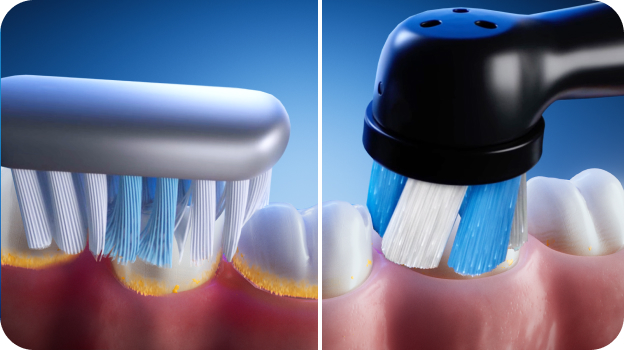
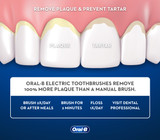
The best way to remove plaque buildup is with a complete oral hygiene routine. When plaque bacteria are not regularly removed thorough a proper oral care routine it can lead to tartar buildup, cavities, and gum disease. An Oral-B electric toothbrush removes 100% more plaque than a regular manual toothbrush, helping to maintain your oral health by adapting to each of your unique teeth for a more perfect clean.
Read more
Do you ever feel like you’re drowning in spit? Welcome to ptyalism! Ptyalism is an uncomfortable and sometimes embarrassing condition where your mouth just won’t quit with the drooling or constant swallowing. It could happen during pregnancy, happen with certain health issues, or be a side effect of medication. It’s usually harmless but it’s far from pleasant. In this article, we'll break down why it happens, simple ways to treat it, and smart habits that can help prevent it—all in straightforward, everyday language.
Read more
Research has shown that brushing with an electric toothbrush, like the Oral-B iO Series 2, can maintain gum health and prevent tooth loss. Plus, it delivers a perfect clean in just 1 touch thanks to its Super Sensitive mode and Smart Pressure Sensor—both designed to guarantee gum protection.
Read more
When the X-rays pass through the mouth, the teeth and bones absorb more of the ray than the gums and soft tissues, so the teeth appear lighter on the final X-ray image (called a radiograph). Areas of tooth decay and infection look darker because they don’t absorb as much of the X-ray.
Read more
Cold sores are reactivations of the herpes simplex virus (HSV) and appear as lesions on the outside of the lip. Herpes simplex virus stays dormant in your body once you have been infected with it and cold sores are signs you are having a flare-up of the infection. Cold sores can also create additional problems for people with HIV or AIDS.
Read more
Enamel erosion isn't just about cavities. It's when your tooth's protective layer wears thin over time. Enamel erosion often happens slowly, so many people don't notice it until they start seeing yellowish color or feel sensitivity. But with simple changes in diet, daily habits, and dental care, you can stop it early and keep your teeth strong. If it's already started, dentists have effective options to restore enamel and ease discomfort. Let's dive into what enamel erosion is, what causes it, what signs to look for, and how to treat and prevent it.
Read more
Mouth guards aren’t just bulky sports accessories worn by athletes. They’re actually quite versatile tools that can protect your teeth in a variety of ways: during contact sports, help if you grind your teeth during sleep, help with jaw pain, and even lessen snoring and mild sleep apnea. There’s a lot to consider when choosing the best mouth guard for your needs, so let’s break down what they are, what they do, what they cost, and how to take care of them to help you make the best decision.
Read more
Your tooth suddenly starts aching. Or it hurts when you eat something sweet. Or you notice a dark spot on your tooth. Is it a problem? Dental caries, the disease that causes tooth decay and cavities, is among the most widespread oral health conditions. But the good news is they're largely preventable and treatable with the right care. Let's explore what dental caries are, how to recognize them, and how to prevent them to keep your teeth healthy.
Read more
Receding gums is a dental condition that happens when gum tissue recedes from the teeth, exposing the roots underneath. Taking good care of your mouth is the best way to keep your gums healthy and prevent gum recession.
Read more
Toothaches can be caused by many things, from cracks and cavities to jaw-clenching and sinus pressure — just to name a few. In this article, we’ll cover what causes toothaches, their symptoms, how to treat them, and ways to prevent them.
Read more
"Bleeding gums" or Gingival bleeding is one of the earliest signs of gum disease. Gingival bleeding can arise from various underlying factors, and in this article, we'll discuss some of the most prevalent causes.
Read more
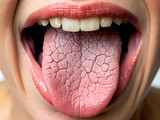
Does your mouth feel dry and sticky when you wake up in the morning? Do you feel the constant urge to drink lots of water, so your mouth doesn't dry out? Do you find it hard to swallow, chew food, or even speak clearly? You may be suffering from dry mouth.
Read more
A root canal is a common dental procedure that can save a tooth from extraction. Undergoing a root canal may seem daunting, even scary, but with modern techniques and proper care, it can be a straightforward, painless procedure that saves your natural tooth. By understanding what warrants a root canal, the process, and following aftercare instructions, you can ensure a good outcome and lasting dental health. Always consult with your dentist for personalized advice and treatment plans tailored to your specific needs.
Read more
Your dentist or dental hygienist has recommended scaling and root planing. Now you're probably wondering what that is, what it involves, and how it can improve your oral health. It sounds scary, but scaling and planing are often referred to as a "deep cleaning." The procedure is essential for treating gum disease and preventing more serious dental issues. This article will break down what scaling and root planing are, the benefits they offer, and how to care for your gums afterward.
Read more
Getting your wisdom teeth removed is a common dental procedure, but it can feel somewhat intimidating if you don't know what to expect. Whether your wisdom teeth are causing you pain, are impacted, or pressing against your other teeth, removal is often the best option. Fortunately, the process is straightforward, and with the right aftercare, recovery is usually smooth. Let's walk you through the basics, from the procedure itself to helpful recovery tips, so you can feel more prepared and less stressed.
Read more
Gingivitis is the first stage of gum disease. Fortunately, gingivitis is often treatable and preventable with just a few simple steps that you can do at home.
Read more
You should start flossing your children’s teeth even when they have only their baby (primary) teeth. Once a child’s teeth start to fit closely together, usually between the ages of two and six, parents should start to get their children in the habit of flossing daily. As they develop dexterity, you can help them learn to floss. Children usually develop the ability to floss on their own around the age of 10.
Read more