Dental implants are a popular way to replace missing teeth due to their natural appearance and long-term benefits. But an increasingly popular alternative is the mini dental implant, which is smaller and often more affordable. Mini dental implants offer several advantages, especially for patients who may not be candidates for traditional implants. But like any treatment, they come with their own benefits, drawbacks, and considerations. So let’s explore what mini dental implants are, their pros and cons, associated costs, and tips for maintenance.
Read more
An abscessed tooth is more than just a toothache-it's a sign that there's an infection deep inside your tooth or gums. Left untreated, it can spread and cause serious health issues. But the good news is that with the right professional care, they're treatable. And the better news is that with proper home care, they're often preventable. In this article, we'll walk through what causes an abscessed tooth, how to recognize the symptoms, what treatment looks like, and how to stop one from happening in the first place.
Read more
You can choose different colors for your braces throughout your braces journey. Your orthodontist can change your colors during your routine braces check-up. How to pick the best braces colors for you, depends on your personal style and preference.
Read more
Canker sores are different compared to cold sores. Both are common and bothersome oral sores that can form in or around the mouth. While routine oral hygiene may not prevent them entirely, it plays a key role in managing symptoms and promoting a healthy oral environment. Adults and children can get both kinds of sores.
Read more
Ceramic braces are an alternative type of braces and compared to metal braces, typically have a more natural look. Ceramic braces can also be decorated with colored bands, similar to metal braces.
Read more
Oral thrush can develop while pregnant and it’s common. Pregnant women can be more susceptible to developing oral thrush, learn more with Oral-B.
Read more
Tongue scrapers help with tongue health, improve bad breath and can support your oral care. A tongue scraper is a handheld device made of metal, plastic or wood that gently scrapes your tongue from the back to the front. It can remove excess build up and debris, making your tongue and mouth feel clean. Tongue scrapers can help you maintain a pinkish tongue color and improve your overall oral health.
Read more
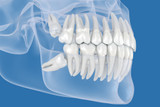
Wisdom teeth are the last back molars in your mouth that grow in during adolescence. Dentists typically watch for your wisdom teeth to grow in and closely monitor them to ensure the new teeth have space to grow in and do not disrupt other teeth. Wisdom teeth are unique to individuals, some people have them, some don't and some need them removed. Your dentist will give you recommendations about your wisdom teeth and consult on whether you need them removed. Always keep up with routine oral care and don't forget to brush and floss your back molars too! If you experience any pain with your wisdom teeth or in the back of your mouth, be sure to see your dentist.
Read more
We've all heard of wisdom teeth—those molars at the back of your mouth that often make their appearance in our late teens or early twenties. They are a little mysterious, often problematic, and pose many questions. In many cases, they’ll need to be removed, but only your dentist can tell you for sure. Let's dive into the world of wisdom teeth and get some information on how many we typically have, why they exist, and what to do if they cause trouble.
Read more
A bright, white smile is often associated with good health and confidence. However, many people experience yellowing of their teeth over time. While it’s a common issue, understanding the causes, exploring treatment options, and adopting preventive measures can help you maintain a bright, radiant smile—or get it back. Many people go to a dentist or dental hygienist for professional whitening treatments, but these days, there are also several effective measures you can do yourself at home.
Read more
Flossing with braces can feel like a daunting task, but it's essential for maintaining good oral health. Orthodontic treatments can take years, and keeping your teeth and gums clean during treatment is vitally important. Proper flossing helps prevent plaque buildup, gum disease, and even cavities around your brackets. It also helps ensure your smile stays healthy and bright. While the process may seem challenging at first, with the right techniques and tools, it becomes a manageable part of your daily routine.
Read more
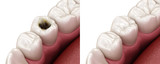
Dental fillings are among the most common dental procedures, helping millions of people restore their teeth and prevent further decay. There are a variety of dental fillings that might be called for, depending on the condition of the tooth. Whether you’re dealing with a small cavity or a more significant dental issue, understanding the types of fillings available and their associated costs can help you make informed decisions about your dental care.
Read more
Whitening is used to make teeth whiter and brighter. Although usually considered cosmetic, a whiter smile is often associated with good oral health and can provide a significant confidence boost. While some people get whitening professionally done at their dentist’s office, others opt for the at-home option, whitening strips.
Read more
Gum cysts are common, usually harmless, fluid-filled sacs that can form on the soft tissues inside your mouth. They are often caused by minor trauma or blockage of the salivary glands. Most cysts resolve on their own, but if a cyst is large, persistent, or causing discomfort, treatment options are available. Consult with a dentist if you have concerns or if the cyst interferes with your daily activities. Treatments such as cryotherapy, laser therapy, or surgical removal may be considered.
Read more
Gums bleeding when brushing can happen to any of us. When they do, it shouldn’t be ignored. Bleeding gums can be caused by several things, some of them relatively minor such as brushing too vigorously or vitamin deficiency. But they can also indicate something more serious, such as gum disease or even tooth loss. So, when your gums bleed, it’s crucial to not ignore it and consult your dentist as soon as you can.
Read more
Your dentist or dental hygienist may recommend a deep cleaning to help prevent gum disease and gum recession. A deep cleaning procedure is like a regular professional cleaning, however the mouth gets numbed to allow for a deeper cleaning below the gum line and deep into the gum pockets. You can expect the procedure to take about 1-2 hours and your mouth may be a bit sensitive afterwards.
Read more
Your gum health is just as important as maintaining clean teeth and regular flossing. Aggressive brushing, underlying gum disease, or even genetics can lead to gum recession. If this occurs, your dentist may recommend a gum graft to correct the issue. While the risk of gum recession can increase with age, it can affect adults of any age, making gum grafts a potential procedure for a wide range of individuals.
Read more
A wisdom tooth infection can happen before or after removing wisdom teeth. If you notice redness, swelling, pain or discomfort at the back of your mouth be sure to see your dentist, as those could be signs and symptoms of a wisdom tooth infection starting. Your dentist will share treatment options that are best for you and sometimes antibiotics are recommended. Although getting infections after having your wisdom teeth removed are less common, it can still happen.
Read more
When you feel pain in a tooth, whether it’s a throbbing or a sudden sharp pain, cavities are often the cause. Sometimes the pain is triggered when the tooth is sensitive to hot or cold. Or it could be a sharp pain when you bite into something hard. Regardless, the best course of action is to make an appointment with your dentist as soon as possible.
Read more
Gum disease can be prevented by taking care of your teeth and with proper oral care. Gingivitis and periodontitis are conditions of gum disease and monitoring your gum health can prevent bigger dental issues. Gingivitis can be reversed and reduced with proper oral hygiene, yet periodontitis can’t be fully reversed and can lead to other serious conditions. If you notice your gums appear swollen, irritated or red consult your dentist or dental hygienist immediately.
Read more
Periodontal maintenance is a prescribed cleaning procedure for people with a history of periodontitis (gum disease) who have already completed the initial active phase of treatment, such as scaling and root planing. It goes beyond preventative care and is a prescribed treatment by a dentist that is more in-depth than a routine cleaning. It uses deep cleaning to remove plaque and tartar buildup below the gum line and is typically recommended every 3-4 months to prevent gum disease progression.
Read more
Of all the changes that can happen to your body when you're pregnant, one of the most surprising, and unwelcome, can be an increase in bad breath. If you or others have noticed a less-than-pleasant odor when you speak or breathe, you're not alone. While it doesn't mean you've been neglecting your oral hygiene, the hormonal changes that occur during pregnancy can make you more vulnerable to the bacteria that cause bad breath, also known as halitosis. If this is happening to you, there are ways to keep your breath fresher—or consult your dentist for an expert opinion.
Read more
No one likes hearing they have a cavity. It’s only natural to ask if a cavity can heal by itself. In the very early stages, you may be able to reverse pre-cavitated decay especially if you brush regularly with a fluoride toothpaste. But once a cavity has fully formed, it cannot repair itself. A filling is the only proper solution. The good news is preventing cavities is much easier than treating them. So maintain a consistent oral health routine and see your dentis
Read more
Plaque and tartar are both forms of bacterial buildup on your teeth, but they differ in texture, appearance, and how easy it is for them to be removed. Plaque is a soft, sticky film that forms from bacteria that feeds on sugars from starchy and carbohydrate-rich foods. The bacteria produces acids that can erode tooth enamel. Plaque can be eliminated with regular brushing and flossing. If plaque isn’t removed, it hardens into tartar, which can only be removed by a dental professional.
Read more
Anyone can get cavities and most people get at least one cavity in their life. Cavities are holes that form in teeth and are a sign of tooth decay. A dentist can determine if you have a cavity and can treat it, usually using a tooth filling. What a cavity feels like depends on the severity of the hole and other conditions.
Read more
Cavities commonly occur on the chewing surfaces of teeth, but decay and cavities can also occur between teeth, in areas that are harder to clean. A cavity between teeth, known as an interproximal cavity, can be difficult to detect and often goes unnoticed until it becomes more advanced and problematic. Let's understand how cavities form between teeth, how to spot them, and how to prevent them.
Read more
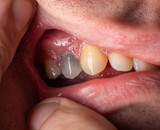
A dead tooth can form in your mouth if you have cavities that go unnoticed, have a tooth injury or don’t keep up with your oral hygiene routine. You’ll want to get into your dentist quickly if you notice signs of tooth discoloration or have tooth pain, as these are symptoms of possibly having a dead tooth! Dentists diagnose dead teeth and can determine how to treat it and what’s best for you.
Read more
A root canal is a dental procedure that helps to remove the infection of tooth pulp. Your tooth can be saved with a root canal, and the exact procedure may vary on the severity of the tooth issues. Symptoms that you may need a root canal include spontaneous or throbbing tooth pain, lingering sensitivity to hot or cold, and tenderness or swelling in the gums.
Read more
Swollen gums should be seen and diagnosed by a dentist or dental hygienist as it can lead to bigger dental issues such as gum disease. Taking care of your oral hygiene and brushing your teeth with an electric toothbrush can help treat swollen gums. Your dentist or dental hygienist may also recommend a deep dental cleaning to help reverse the swollen gums.
Read more
A tooth extraction is a dental procedure where a dentist needs to pull a tooth from your mouth. Although it sounds painful, the tooth is numbed, and the patient usually doesn’t feel pain, though some pressure may be felt, until after the procedure when the anesthetic wears off. You want to avoid eating hard, crunchy foods after a tooth extraction and indulge in soft foods and liquids for a smooth recovery.
Read more
White bumps or spots on your gums can range from unsightly to painful, and can occur in a cluster or individually. White bumps can be caused by various factors, including canker sores, oral thrush, gum disease, or even dental abscesses. This article will explore various causes and solutions for white bumps, and why it's important to see a dentist for proper diagnosis and treatment, which will depend on the underlying cause.
Read more
Healthy gums are typically a pinkish tone and if you notice white gums in your mouth, be sure to monitor it. White gums can be a sign of dehydration or inadequate oral care. However, they can also be a symptom of other health conditions, especially if you notice other issues or pain in your mouth.
Read more
White spots on gums can show up for different reasons and the causes vary. If you have white spots on your gums monitor your signs and symptoms and notice what other discomfort is happening in your mouth. White spots on your gums can indicate canker sores, oral thrush, oral lichen planus, leukoplakia and other infections.
Read more
Teeth's natural brightness tends to dull and yellow over time due to various factors. In this article, we’ll share tested methods for teeth whitening, as well as tips to keep your teeth white day in and day out.
Read more
Tooth enamel helps prevent decay, protects against damage, and shields teeth from sensitivity, cavities, and more. But what exactly is tooth enamel, and why is it important for oral health? Let’s find out.
Read more
You start chewing, and pain strikes. What’s going on with your tooth? Whatever the cause of your toothache, you’re likely looking for relief.
Read more
Dental tartar forms when plaque accumulates on your teeth over time. If left untreated, tartar can cause cavities severely damaged teeth, and even more serious health problems. What can you do to prevent tartar?
Read more
Having a beautiful smile starts with having great oral hygiene. In this article, we’ll dive into oral hygiene and why it’s important. We’ll also provide tips and best practices to keep your teeth healthy and your smile bright.
Read more
It’s something that is recommended twice a day, but how do you know you’re brushing your teeth properly? It’s time to go back to the basics and review how to brush your teeth so that you can maintain adequate oral hygiene.
Read more
Gum boils are bumps on your gums that look similar to pimples. In this guide, we’ll discuss gum boils, what causes gum boils, the symptoms you may experience, and available treatment options.
Read more
If you experience pain in the gum area, visible swelling, or a pus-filled pocket on the gum, you may have a gum abscess. In this article, we’ll discuss symptoms, causes, and treatments for this serious dental issue so you can get your smile back.
Read more
Detecting and treating cavities and tooth decay early can keep them from causing more serious oral health problems. But what exactly is an “early” cavity, and how can you prevent one from forming in the first place
Read more
If you brush and floss daily, but still notice discoloration on your teeth, you may have either a cavity or a stain.
Read more
If you experience swelling or bleeding from your gums, you may have gingivitis, and it’s recommended that you have this checked by a dentist. In the meantime, you can implement a gingivitis self-care routine to treat the condition on your own and prevent more complicated oral health issues.
Read more
When you think about your dental health, your mind probably goes right to your teeth. However, there’s another important part of the equation: your gums. Your teeth might be straight and cavity-free, but how do you know you have healthy gums?
Read more
Teeth are considered rotten when they have permanently damaged areas on their surface. Severe tooth decay can cause extensive enamel and dentin destruction, often leading to structural damage, pain, and infection. Rotten teeth can be extremely painful and an untreated cavity can gradually affect the deeper layers of the tooth becoming larger
Read more
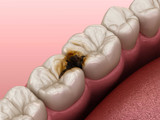
What does a cavity look like? The appearance of a cavity varies depending on its severity and location, but some common signs include dark spots, often brown or black, or a rough or pitted texture on the tooth’s surface.
Read more
Lorem ipsum dolor sit amet, consectetur adipiscing elit. Sed do eiusmod tempor incididunt ut labore et dolore magna aliqua.
Read more
Caused by the herpes simplex virus (HSV), cold sores in toddlers can be alarming. Prevent the spread by not touching the sore, not kissing others, and not sharing any eating utensils, drinking glasses, or washcloths.
Read more