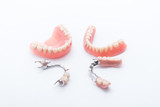
Partial dentures are dental appliances that your dentist may recommend if you have a missing tooth or missing teeth. They are removable and designed to blend in with your natural teeth and gums. Check with your dental insurance provider about partial denture costs. Typically, partial dentures cost between $800 and $2000, and many dental insurance plans cover a portion of the cost.
Read more
A permanent retainer is a dental appliance that is placed in your mouth long term and is not removable. Your orthodontist may recommend a permanent retainer after your braces are removed. Often, permanent retainers will be placed behind your lower teeth, out of direct sight. There are pros and cons of having a permanent retainer and your dentist or orthodontist can consult with you about your options.
Read more
It’s a great day when your braces have been taken off and you’ve finished your orthodontic treatment. Achieving that perfect smile is quite a milestone. But the journey doesn't end with the removal of your braces. To ensure your teeth remain in their new, optimal positions, adding retainers to your daily routine is essential. Let's dive into everything you need to know about retainers-why they're important, the different types, how to use them, and best practices for cleaning, maintaining, and storing them.
Read more
When you think about oral hygiene, brushing and flossing are usually what come to mind first. But your tongue plays a major role in keeping your mouth healthy, too. If you’ve ever dealt with stubborn bad breath or a strange taste in your mouth, your tongue just might be to blame.
Read more
If you’ve heard of the terms tooth cap and dental crown, you might wonder what the difference is. The answer is they are used interchangeably, though "crown" is more common. They both refer to a custom-made, tooth-shaped cover that is placed over a damaged or weakened tooth to protect it from further damage.
Read more
Getting braces can be exciting. But let’s be honest, it can be nerve-wracking too. Whether you're a teen, an adult, or you’re getting them for your child, knowing what to expect helps you feel prepared. From the first meeting with your orthodontist to the moment the brackets go on, we'll walk you through it all. We’re not going to use fancy dental jargon here, just straightforward info backed by credible sources.
Read more
Dental implants are a popular way to replace missing teeth due to their natural appearance and long-term benefits. But an increasingly popular alternative is the mini dental implant, which is smaller and often more affordable. Mini dental implants offer several advantages, especially for patients who may not be candidates for traditional implants. But like any treatment, they come with their own benefits, drawbacks, and considerations. So let’s explore what mini dental implants are, their pros and cons, associated costs, and tips for maintenance.
Read more
Oral thrush can develop while pregnant and it’s common. Pregnant women can be more susceptible to developing oral thrush, learn more with Oral-B.
Read more
Whitening is used to make teeth whiter and brighter. Although usually considered cosmetic, a whiter smile is often associated with good oral health and can provide a significant confidence boost. While some people get whitening professionally done at their dentist’s office, others opt for the at-home option, whitening strips.
Read more
Having a beautiful smile starts with having great oral hygiene. In this article, we’ll dive into oral hygiene and why it’s important. We’ll also provide tips and best practices to keep your teeth healthy and your smile bright.
Read more
Caused by the herpes simplex virus (HSV), cold sores in toddlers can be alarming. Prevent the spread by not touching the sore, not kissing others, and not sharing any eating utensils, drinking glasses, or washcloths.
Read more
"Pacifier teeth" refers to a type of dental misalignment caused by the prolonged use of a pacifier.
Read more
Right before the initial eruption of baby teeth your little one's gums may be tender, swollen, and red in appearance. Gently clean their gums with an extra-soft bristled baby toothbrush or wipe gently along the gum line with a damp washcloth.
Read more
Though deciduous, or baby teeth, begin to form even before birth, the first baby tooth typically cuts through the gum line around 4 to 6 months of age. All 20 primary teeth should be fully erupted by the age of 31 months.
Read more
The major difference between normal baby gums vs. teething gums comes down to appearance. Prior to teething, normal baby gums are smooth and pink. Teething baby gums, on the other hand, may appear red, swollen, and be more tender.
Read more
Often occurring in newborns or young toddlers, thrush in babies' mouths appears as white lesions or sores on the tongue, gums, roof of the mouth, or inner cheeks. To keep your baby's mouth healthy, see your healthcare professional for proper treatment and be sure to gently clean your baby's gums, tongue, and teeth after each feeding.
Read more
Teething rash, also known as drool rash, happens when saliva constantly touches the skin, and forms an irritation in the form of tiny red bumps. These bumps can appear on or around the mouth, neck, and chest. You can't keep your baby from drooling, but you can help keep teething rash at bay. Bibs, gently dabbing away drool, and keeping clean washcloths at hand can help keep their skin less irritated.
Read more
Baby teeth begin to fall out around the ages of 6 to 7 years old. At this age, their first permanent teeth begin to come in as well. This is also a great time to upgrade their oral care routine with a bit of tech! An Oral-B kids' electric toothbrush removes 75% more plaque than a regular manual toothbrush and it comes with features that can make brushing more exciting.
Read more
Although the development of baby teeth starts before birth, the first baby tooth usually emerges through the gumline around 4 to 6 months of age. By the time a child reaches 3 years old, all 20 primary teeth should have fully erupted.
Read more
The #1 oral health issue that affects children are cavities. Limit sugar intake, brush their 2X/day for 2 minutes, and floss at least 1X/day to better prevent early childhood tooth decay.
Read more
Brushing kids's teeth is crucial to the healthy development of their smiles. Brushing 2X/day is important for kids of all ages. Once they turn 3, a kids electric toothbrush is a great way to remove more plaque, reducing the risk of cavities and gingivitis.
Read more
Babies start teething typically around 4 to 7 months old. The teething process can last for about 24 to 36 months as all 20 primary teeth make their way through the gum line.
Read more
When looking for the best toothbrush for kids, opt for child-specific toothbrushes with smaller brush heads, ergonomic handles, and extra-soft bristles that are perfect for small mouths and tender gums. All Oral-B toothbrushes for kids are specially designed for kids’ small mouths. For kids ages 3+, introduce an Oral-B Kids’ Electric Toothbrush to their routine to remove 75% more plaque than a regular manual toothbrush.
Read more
Baby teething can significantly disturb sleep. To help your teething baby at night try giving them teething rings to gnaw on, a chilled washcloth or metal spoon to soothe gum soreness, or a relaxing bath.
Read more
Everyone knows pregnancy can come with an onslaught of unexpected and sometimes surprising side effects, odd cravings, and mood swings to name a few. However, dry mouth is a lesser-known symptom of pregnancy thats actually quite common.
Read more
Fluoride-free toothpaste is considered a safe option for cleaning baby teeth to help remove plaque and leftover residue after feeding. A fluoride-free toothpaste for kids ages 0 - 2 should be mild in flavor like the strawberry-flavored Crest baby training toothpaste.
Read more
In addition to regular brushing with fluoride toothpaste, the food and drinks your child consumes have an important role in maintaining a healthy mouth. Outside of the commonly known advice to avoid sugary foods and drinks, the foods that are safe for teeth are less well known. Below is an outline of some of the best foods for your child's teeth as well as some foods you should only have as a treat and once or twice a week maximum.
Read more
Gingivitis occurs when plaque, which contains bacteria, builds up on teeth and produces toxins that irritate the gums. If you have bleeding, red, puffy, sore or inflamed gums, it’s probably gingivitis. (From dentalcare.com – “What is Gingivitis?)
Read more
When it comes to straightening teeth, braces are often a good go-to. Most orthodontists and dental professionals recommend braces for kids to help ensure a straighter and healthier smile—but braces can also make it more difficult to properly clean teeth and gums as brackets and wires can get in the way. Adding a mouthwash to your daily hygiene routine can help improve the cleanliness of your mouth, fight bad breath, and prevent cavities in areas where it’s difficult to reach with a traditional toothbrush.
Read more
Braces used to be thought of as something for kids, but now more and more adults are getting them. Whether it's for cosmetic reasons or to fix bite issues, more adults are turning to orthodontics for a healthier, straighter smile. It does require a commitment of both time and money. So, before you commit, it's important to weigh the benefits, drawbacks, and lifestyle changes that come with adult braces. In this guide, we'll walk you through the benefits, challenges, and other things to consider so you can make the best decision for you and your teeth.
Read more
The success of your dental implant relies heavily on your oral hygiene. Now that you’ve improved the appearance your smile, it’s time to ensure your implant lasts a lifetime. When it comes to dental implants, one of the more prominent risk factors to be wary of is poor oral hygiene.
Read more
Braces are not the only way to achieve a straighter smile. Depending on your specific condition, there are other options besides braces to consider. Even though braces have shown to be very effective, they may not be needed to fix some oral conditions.
Read more
For a number of medically important reasons, it’s vital that cancer patients not neglect their dental health. Chemotherapy, which involves drug treatment to kill cancer cells, can promote a range of oral health problems. The medications used in chemotherapy can promote dry mouth, which can be part of the overall picture of tooth decay.
Read more
When tooth loss occurs, your dentist may recommend the placement of a tooth bridge, or dental bridge. When placing a bridge, the teeth on both sides of the space are covered with crowns (caps), and an artificial tooth (pontic) is attached to the crowns.
Read more
The effects of poor oral hygiene range from tooth decay and cavities to gingivitis, periodontitis, and tooth loss. Fortunately, proper oral hygiene, including cleaning teeth correctly and regularly, can prevent most of these problems.
Read more
Once your child's first tooth erupts, it's time for their first dental visit. Although in some cases teething can begin as early as 3 months, often the first baby tooth starts to come out between 6 to 12 months.
Read more
The length of time that you might wear braces varies depending on the severity of your dental problems, but most people wear them for one to three years. Sometimes your orthodontist may recommend additional orthodontic treatments, such as elastic bands and orthodontic headgear, but these items are not always used for the full length of time that you wear the braces.
Read more
How long will it take to get my braces taken off?
Read more
When you wear braces, plaque has more places to accumulate and build up. Learn how our electric toothbrushes more effectively clean around braces to remove plaque and help prevent gum disease.
Read more
Being a teen or pre-teen is hard enough. Being a teen or pre-teen with braces can be even harder. If you're trying to help your kid deal with their new braces, here are some helpful perspectives from parents who have been through the process before.
Read more
Older children and teenagers may express interest in mouthwash as a breath-freshening agent, and they can reap the benefits of a fluoride rinse as well. Older children who have braces are especially good candidates for fluoride mouth rinses because the rinse can help protect teeth from acid-producing plaque bacteria, which may build up under the brackets.
Read more
The right dental implant plan can prove to be more cost-effective than other dental restoration alternatives such as crowns and dentures. Implants are an investment, and with the right care they can last a lifetime.Learn about the difference between dental implants and dentures.
Read more
Chances are, you're using a bottle to feed your baby. Have you ever heard of "baby bottle tooth decay", or "nursing bottle mouth"? It's one of the common ways your baby can develop cavities, and it can be avoided.
Read more
Prepare a kit with a toothbrush, toothpaste, and floss (to use between meals), wax, and lip balm (for dry lips). Carry this with you at all times.
Read more
Braces or not, it’s always recommended to eat a well-balanced diet for its renowned health benefits. Cut healthy, hard foods like carrots or apples into smaller pieces. This makes them less a threat to your braces.
Read more
Even if you wear braces, you can, and should, brush and floss your teeth consistently. Maintain a good oral care routine of twice-daily tooth brushing and daily flossing to keep your teeth looking their best, and they'll look even better when your braces are removed.
Read more
If you've ever woken up with a sore jaw, a headache, or noticed your teeth feeling more sensitive, you might be dealing with bruxism, commonly known as teeth grinding. This condition affects many people, often without them even realizing it. Whether it happens during the day or at night, bruxism can lead to dental issues and discomfort. Understanding its causes, recognizing the symptoms, and knowing how to manage them can make a significant difference in your oral health and overall well-being.
Read more
When it comes to replacing missing teeth, dentures offer a practical solution that can restore form, function, and confidence. Whether you're considering dentures for the first time or exploring your options, understanding the differences between temporary and permanent dentures, the pros and cons of each, and the difference in price is crucial to helping you choose which option is best for you.
Read more
Pregnancy brings many changes, some joyful, some surprising. One lesser known but very common change happens in your mouth: pregnancy gingivitis. This condition leads to red, swollen, or bleeding gums, and according to the Centers for Disease Control and Prevention (CDC), gingivitis affects 60% to 75% of expectant mothers. Hormonal changes, increased blood flow, and plaque buildup all play a role. While pregnancy gingivitis is usually mild, especially in its early stages, if left untreated, it can lead to more serious gum issues, including periodontitis, which is a more severe gum infection. The good news is that with proper care and attention, pregnancy gingivitis is both treatable and preventable.
Read more
Restorative dentistry covers a wide range of oral health conditions. It could be fixing a cavity, replacing a missing tooth, or repairing damage from an injury. It’s the branch of dentistry that focuses on restoring the form and function of your teeth, helping you chew, speak, and smile with confidence. We’ll dive into what exactly restorative dentistry is, some of the options, and how to take care of your new and improved smile, so that it lasts a long time.
Read more