






Pacifier Teeth: Effects of Prolonged Use and Tips for Prevention
"Pacifier teeth" refers to a type of dental misalignment caused by the prolonged use of a pacifier.
Read more


"Pacifier teeth" refers to a type of dental misalignment caused by the prolonged use of a pacifier.
Read more
Right before the initial eruption of baby teeth your little one's gums may be tender, swollen, and red in appearance. Gently clean their gums with an extra-soft bristled baby toothbrush or wipe gently along the gum line with a damp washcloth.
Read more
Though deciduous, or baby teeth, begin to form even before birth, the first baby tooth typically cuts through the gum line around 4 to 6 months of age. All 20 primary teeth should be fully erupted by the age of 31 months.
Read more
The major difference between normal baby gums vs. teething gums comes down to appearance. Prior to teething, normal baby gums are smooth and pink. Teething baby gums, on the other hand, may appear red, swollen, and be more tender.
Read more
Often occurring in newborns or young toddlers, thrush in babies' mouths appears as white lesions or sores on the tongue, gums, roof of the mouth, or inner cheeks. To keep your baby's mouth healthy, see your healthcare professional for proper treatment and be sure to gently clean your baby's gums, tongue, and teeth after each feeding.
Read more
Teething rash, also known as drool rash, happens when saliva constantly touches the skin, and forms an irritation in the form of tiny red bumps. These bumps can appear on or around the mouth, neck, and chest. You can't keep your baby from drooling, but you can help keep teething rash at bay. Bibs, gently dabbing away drool, and keeping clean washcloths at hand can help keep their skin less irritated.
Read more
Choosing the right dental floss can significantly enhance your oral hygiene routine. With many options on the market, it’s essential to find one that fits your needs while making flossing easier to do every day. Enter Oral-B Glide Floss, the #1 dentist-recommended floss brand. This article explores the numerous benefits of Glide Floss, emphasizing how its innovative design can transform your daily dental care routine.
Read more
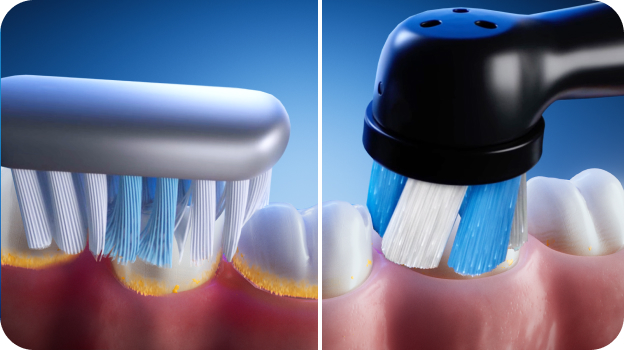
Using an electric toothbrush removes more plaque than a manual toothbrush and promotes healthy gums, helping prevent tooth loss and lowering your risk of other issues such as developing a cavity, gingivitis , and other tooth decay.
Read more
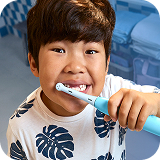
Baby teeth begin to fall out around the ages of 6 to 7 years old. At this age, their first permanent teeth begin to come in as well. This is also a great time to upgrade their oral care routine with a bit of tech! An Oral-B kids' electric toothbrush removes 75% more plaque than a regular manual toothbrush and it comes with features that can make brushing more exciting.
Read more
Although the development of baby teeth starts before birth, the first baby tooth usually emerges through the gumline around 4 to 6 months of age. By the time a child reaches 3 years old, all 20 primary teeth should have fully erupted.
Read more
The #1 oral health issue that affects children are cavities. Limit sugar intake, brush their 2X/day for 2 minutes, and floss at least 1X/day to better prevent early childhood tooth decay.
Read more
Brushing kids's teeth is crucial to the healthy development of their smiles. Brushing 2X/day is important for kids of all ages. Once they turn 3, a kids electric toothbrush is a great way to remove more plaque, reducing the risk of cavities and gingivitis.
Read more
Babies start teething typically around 4 to 7 months old. The teething process can last for about 24 to 36 months as all 20 primary teeth make their way through the gum line.
Read more
When looking for the best toothbrush for kids, opt for child-specific toothbrushes with smaller brush heads, ergonomic handles, and extra-soft bristles that are perfect for small mouths and tender gums. All Oral-B toothbrushes for kids are specially designed for kids’ small mouths. For kids ages 3+, introduce an Oral-B Kids’ Electric Toothbrush to their routine to remove 75% more plaque than a regular manual toothbrush.
Read more
When it comes to giving the perfect gift, their smile says it all. So why not give the gift of a confident, healthy smile. From daily whitening to toothbrush gifts, our holiday gift guide is sure to have something for everyone on your list.
Read more
Whether you’re shopping for your work bestie or the entire team, oral care gifts are practical, appropriate, and surprisingly exciting to unwrap!
Read more
Looking for a gift that’s both unique and practical? Our holiday gift guide features oral care favorites that deliver cleaner teeth, healthier gums, and a brighter smile.
Read more
Even if they brush and floss regularly, some people can start losing their teeth. How can that be? Well, one little-known culprit is bone loss in the jaw and gums. It doesn’t always appear overnight, but over time it can lead to loose teeth, gum problems, and even changes in your face shape. But it’s not all bad news. If you catch it early, there are plenty of ways to manage and halt the progression of the damage. Let’s break down what causes bone loss, how to spot it, and what you can do about it, before it starts affecting your mouth and your smile.
Read more
Brushing our teeth is crucial to our oral hygiene, but does toothpaste expire and what are the risks of using expired toothpaste?
Read more
If you’re wondering why your tongue is white, you may be experiencing coated tongue, which is also known as ‘white tongue’. This condition is usually harmless and is caused by bacteria, fungi, and dead cells becoming trapped in between your tongue’s inflamed papillae.
Read more
Getting a tooth pulled is no one's idea of fun, but sometimes it can't be avoided. Whether it's a damaged tooth, overcrowding, or an infection, tooth extraction can prevent further damage and give your mouth a fresh start. Knowing what to expect before, during, and after the procedure can ease anxiety and help your recovery go more smoothly. In this guide, we'll cover the entire tooth extraction process, from why it might be needed to what aftercare looks like once you're home and healing.
Read more
Jaw pain is relatively common and can affect you at any point in your life. Whether it’s aching, soreness, tooth sensitivity, or a sharp pain, it’s never pleasant to experience jaw pain in its many forms.
Read more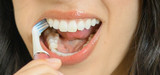
Most of us have heard of kidney stones or gallbladder stones… but salivary stones? Salivary stones are a medical condition, too.
Read more
Have you ever noticed a strange, metallic taste in your mouth? It's actually pretty common. And while it might seem minor, this taste alteration can also signal an underlying health issue ranging from a simple infection to a more complex condition. Known medically as dysgeusia, a metallic taste in your mouth can be more than just an unpleasant sensation. Understanding the causes, recognizing the symptoms, and knowing how to address them can help you regain your sense of taste and overall well-being.
Read more
Just like teeth and gums, your jaw also plays a major part in your oral health. When your jaws are working correctly you likely won’t think about it at all - but any misalignment of your bite can have an impact on how you chew, as well as your overall health.
Read more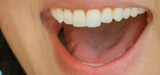
Geographic tongue is a common, benign condition characterized by smooth, red patches on the tongue that resemble a map. Its exact cause is unknown, but genetics, allergies, and stress may be contributing factors. Most individuals with geographic tongue experience no symptoms, but some may notice a burning sensation, particularly when consuming certain foods. The condition often resolves on its own, and treatment is typically unnecessary. If you have concerns about changes in your tongue's appearance, consult a healthcare professional for evaluation.
Read more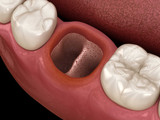
Dry socket is a painful potential complication that can occur in some cases after a tooth extraction, most common after wisdom teeth (third molar) extraction, especially in the lower jaw.
Read more
We’ve all experienced a bad taste in our mouth from time to time. If it’s a mild experience, then simply brushing your teeth or a quick rinse may get rid of an unpleasant or bitter taste in your mouth.
Read more
Weddings are a time of celebration. And when we celebrate, we smile. For the happy couple, their big day will truly be one of momentous experiences, so why not gift something that’s just as unique and meaningful? Give the gift that will keep them smiling not just on their big day, but for every day that follows.
Read more
With the big day fast approaching, it’s time to get those smiles ready to celebrate. That’s why when it comes to your wedding registry or finding unique gifts for your entire wedding party, why not focus on a gift that will keep them smiling? We’ve rounded up our best electric toothbrushes, refills, and oral care products so you and your loved ones can reveal a brighter, whiter smile on the big day and beyond.
Read more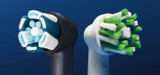
When it comes to a superior clean, the right toothbrush and brush head can make all the difference. That’s why Oral-B replacement brush heads are developed with dentists to help remove more plaque, massage gums, and deliver a gentle yet effective clean, every time you brush. It’s the toothbrush brand that’s the most used and trusted by dentists worldwide—here’s why.
Read more
Baby teething can significantly disturb sleep. To help your teething baby at night try giving them teething rings to gnaw on, a chilled washcloth or metal spoon to soothe gum soreness, or a relaxing bath.
Read more
Bad breath, also known as Halitosis, can affect anyone. However, good brushing habits can help give you fresh breath and a refreshed sensation. We’ve compiled a list of bad breath causes and steps you can take to help keep your breath fresh—like finding the best toothpaste for you.
Read more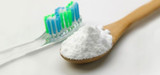
Baking soda has long been used as an alternative to toothpaste. Many people will admit to brushing teeth with baking soda. Today, many toothpaste manufacturers incorporate baking soda into their formulas. As with most things, there are pros and cons associated with using this agent as a toothpaste alternative.
Read more
Everyone knows pregnancy can come with an onslaught of unexpected and sometimes surprising side effects, odd cravings, and mood swings to name a few. However, dry mouth is a lesser-known symptom of pregnancy thats actually quite common.
Read more
Fluoride-free toothpaste is considered a safe option for cleaning baby teeth to help remove plaque and leftover residue after feeding. A fluoride-free toothpaste for kids ages 0 - 2 should be mild in flavor like the strawberry-flavored Crest baby training toothpaste.
Read more
You already know that a water flosser can do wonders for your oral hygiene, but did you know by keeping it clean can help ensure it’s always operating at its best? Here’s everything you need to know to keep your Oral-B Water Flosser cared for and clean, so it continues to deliver the interdental clean you’ve come to expect.
Read more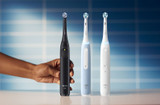
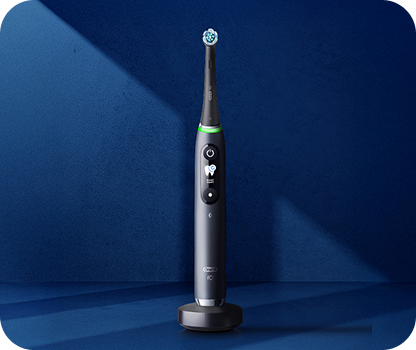
The best Oral-B electric toothbrush under $100 depends on what you want most from your brush. Choose Oral-B iO2 if you want a gentle clean for daily use with a one-button experience, Sensitive and Super Sensitive modes, a built-in 2-minute timer, and a brush that starts on Super Sensitive mode by default.
Read more
In addition to regular brushing with fluoride toothpaste, the food and drinks your child consumes have an important role in maintaining a healthy mouth. Outside of the commonly known advice to avoid sugary foods and drinks, the foods that are safe for teeth are less well known. Below is an outline of some of the best foods for your child's teeth as well as some foods you should only have as a treat and once or twice a week maximum.
Read more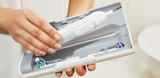
Proper tooth brushing and flossing techniques are essential for maintaining oral health. If you use an electric toothbrush like the Oral-B iO2, hold your toothbrush at a 45-degree angle, use gentle, circular motions, and brush all tooth surfaces for at least two minutes, twice daily. Don’t forget to clean behind your lower front teeth and brush your tongue. Consider adding mouthwash and ensure regular dental check-ups to prevent cavities, tooth decay and gum disease.
Read more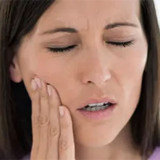
Gingivitis occurs when plaque, which contains bacteria, builds up on teeth and produces toxins that irritate the gums. If you have bleeding, red, puffy, sore or inflamed gums, it’s probably gingivitis. (From dentalcare.com – “What is Gingivitis?)
Read more
Burning Mouth Syndrome Bothersome burning sensations in the mouth are common and can be associated with many illnesses when they appear along with other symptoms. However, up to 15% of elderly patients may experience a burning sensation in the mouth despite the absence of other visible symptoms. This condition is categorized as stomatodynia or Burning Mouth Syndrome
Read more
If your gums bleed when you floss, it's often a sign that your gums, and perhaps your oral hygiene, need a little extra care and attention. While occasional bleeding isn't uncommon, frequent or persistent bleeding should be taken seriously. Understanding the causes of bleeding gums, which can range from improper flossing to early gum disease, and how to address them, can help you maintain healthy gums and a happy smile.
Read more
Tooth pain can be caused by a dental problem, such as a cavity or gum disease, or by a non-dental problem like a sinus infection. Some dental pain is caused by stress – if you’re stressed to the point of clenching your jaw and grinding your teeth, you can develop pain associated with the temporomandibular joint (TMJ). The TMJ is the joint that hinges the lower jaw to the skull, enabling you to open and close your mouth.
Read more
Brush twice a day and floss at least once daily to remove more of the plaque bacteria that contributes to tooth decay, cavities, and gum disease. The order of which you brush or floss in is entirely up to you.
Read more
Mouth ulcers, also known as canker sores are often small in size, and can cause discomfort. If you have mouth ulcers, visit your dental professional for recommendations on whether a mouthwash for ulcers may be helpful for you.
Read more
Do you feel discomfort when brushing or flossing? Then you may have sensitive teeth. Look for a gentle mouthwash formula for sensitive teeth that’s best for you. What Causes Tooth Sensitivity?
Read more
When choosing the right electric toothbrush for you, it’s important to consider the replacement brush heads that are compatible with the brush handle. So how do Oral-B brush heads compare to the competition? Read on to find out why Oral-B Brush Heads might be a perfect choice for you.
Read more
Cleaning your Oral-B iO electric toothbrush after every use is important when it comes to maximizing your oral care and the longevity of your brush. Be sure to clean your Oral-B iO electric toothbrush handle, brush head, and base properly. Learn more on how to clean your Oral-B electric toothbrush properly.
Read more
Gum disease occurs due to long term bacterial growth in the mouth and can lead to gum deterioration and loosening teeth. Prevention through a thorough oral care routine is the best way to protect your gums and keep your mouth healthy. To remove more of the plaque bacteria that contribute to gum disease, brush twice daily with an electric toothbrush. The Oral-B iO2 adapts to each of your unique teeth to thoroughly sweep away more plaque bacteria from the gumline.
Read more