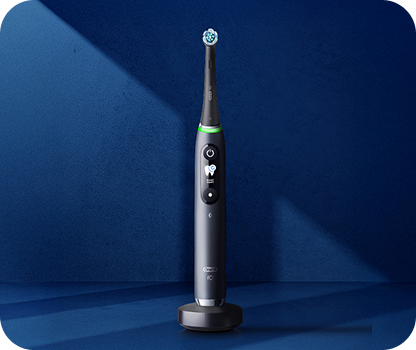
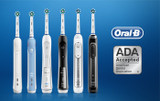
Oral-B ® has been a leader in oral care for over 60 years. And now, we’re the first electric toothbrush brand accepted by the American Dental Association (ADA). All models of Oral-B oscillating-rotating-pulsating electric toothbrushes including the Oral-B Pro 1000, the Oral-B Pro 3000, the Oral-B Pro 5000, the Oral-B Pro 6000, the Oral-B Pro 7000, and the Oral-B iO Series have received this coveted designation. When considering an electric toothbrush, it helps to have guidance from the professionals who set the standards of dental care. ADA-acceptance does just that by letting you know that Oral-B rises to the level of safety and effectiveness that dental professionals recommend.
Read more
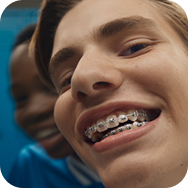
Older children and teenagers may express interest in mouthwash as a breath-freshening agent, and they can reap the benefits of a fluoride rinse as well. Older children who have braces are especially good candidates for fluoride mouth rinses because the rinse can help protect teeth from acid-producing plaque bacteria, which may build up under the brackets.
Read more
Before you begin brushing, be sure to ask your dental professional for recommendations on technique and how to brush teeth properly. It also might be helpful to refer to the brushing instructions supplied with your electric toothbrush.
Read more
The right dental implant plan can prove to be more cost-effective than other dental restoration alternatives such as crowns and dentures. Implants are an investment, and with the right care they can last a lifetime.Learn about the difference between dental implants and dentures.
Read more
Chances are, you're using a bottle to feed your baby. Have you ever heard of "baby bottle tooth decay", or "nursing bottle mouth"? It's one of the common ways your baby can develop cavities, and it can be avoided.
Read more
Prepare a kit with a toothbrush, toothpaste, and floss (to use between meals), wax, and lip balm (for dry lips). Carry this with you at all times.
Read more
It's no fun passing up sugary treats like cookies and candies. But when it comes to tooth decay, food choices play an important role. Some foods can harm your teeth, while others contain essential nutrients to keep them healthy and strong. To help prevent tooth decay, keep the following food choices in mind.
Read more
There are various types of mouthwashes and rinses on the market; and understanding the differences will help in selecting the right rinse to use.
Read more
Braces or not, it’s always recommended to eat a well-balanced diet for its renowned health benefits. Cut healthy, hard foods like carrots or apples into smaller pieces. This makes them less a threat to your braces.
Read more
Chlorhexidine has powerful antibacterial properties and can be especially helpful in maintaining a healthy mouth after a teeth deep-cleaning procedure such as tooth scaling and root planing. If your dental professional prescribes a chlorhexidine rinse while you're recovering from gum disease treatment, try not to drink too much coffee, tea, red wine, or consume any foods that may be likely to stain your teeth.
Read more
A good oral hygiene routine can help limit the chances of developing black hairy tongue symptoms. A lower sugar intake and regular visits to your dental professional can also help in preventing black hairy tongue.
Read more
An abscessed tooth is more than just a toothache—it's a sign that there's an infection deep inside your tooth or gums. Left untreated, it can spread and cause serious health issues. But the good news is that with the right professional care, they're treatable. And the better news is that with proper home care, they're often preventable. In this article, we'll walk through what causes an abscessed tooth, how to recognize the symptoms, what treatment looks like, and how to stop one from happening in the first place.
Read more
Even if you wear braces, you can, and should, brush and floss your teeth consistently. Maintain a good oral care routine of twice-daily tooth brushing and daily flossing to keep your teeth looking their best, and they'll look even better when your braces are removed.
Read more
Good oral hygiene isn’t only necessary for good dental health. It can also affect your overall well-being. From a young age, we’re taught the value of brushing our teeth regularly to keep them and our gums healthy. When toothbrushes with nylon bristles were first invented in the 1930s, you didn’t have too many options. Now, the options can be overwhelming
Read more
The best whitening toothpastes help whiten your smile while providing additional benefits to help improve your oral health. The evolutionary Crest 3D White Brilliance 2 Step Toothpaste is a unique system, in which key ingredients work in tandem to help offer outstanding stain removal and long-lasting stain prevention.
Read more
Whitening floss is one the many options now available to you when choosing a dental floss. This is because floss brands are looking to capitalize on the increasing popularity of products that will help whiten your teeth, such as whitening toothpastes like Crest 3DWhite Deep Stain Remover, and whitening mouthwash.
Read more
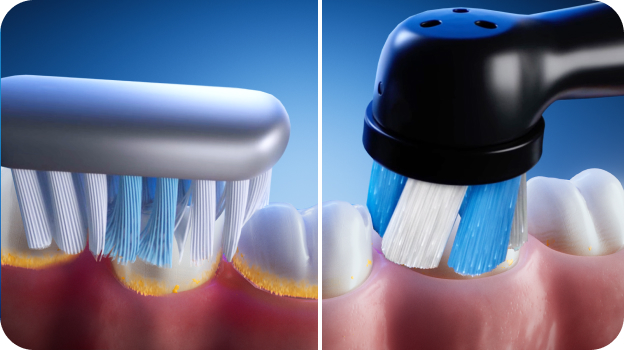
How you brush is just as important as what you brush with to get your perfect clean. Oral-B electric toothbrushes, like the Oral-B iO2 feature pressure sensors that help keep you from overbrushing as well as a dentist-inspired round brush head that perfectly adapts to each of your unique teeth.
Read more
Due to the intricate grooves and ridges, back teeth can trap food particles and plaque, leading to increased bacteria growth, periodontitis and a higher risk of cavities. Proper oral hygiene, including regular brushing with fluoride toothpaste, a powered toothbrush like the Oral-B iO2, and using other interdental cleaning tools, is key to prevent plaque buildup and gum disease.
Read more
Losing your teeth is never a good sign; fortunately, there are measures you can take to ensure you retain more of your natural teeth. Understanding what leads to teeth falling out can help prevent tooth loss in the future so you can showcase a healthier, stronger smile.
Read more
While not curable, you can try to stop tooth decay early with a good oral hygiene. This includes brushing with a fluoride toothpaste and an Oral-B electric toothbrush to help remove more plaque and help prevent cavities from forming in the first place.
Read more
If you've ever woken up with a sore jaw, a headache, or noticed your teeth feeling more sensitive, you might be dealing with bruxism, commonly known as teeth grinding. This condition affects many people, often without them even realizing it. Whether it happens during the day or at night, bruxism can lead to dental issues and discomfort. Understanding its causes, recognizing the symptoms, and knowing how to manage them can make a significant difference in your oral health and overall well-being.
Read more
When it comes to replacing missing teeth, dentures offer a practical solution that can restore form, function, and confidence. Whether you're considering dentures for the first time or exploring your options, understanding the differences between temporary and permanent dentures, the pros and cons of each, and the difference in price is crucial to helping you choose which option is best for you.
Read more
Periodontitis is a severe gum infection (also known as gum disease or periodontal disease) that causes irreversible damage and loss of the soft tissue and bone that support your teeth. Thankfully, periodontitis is preventable with the right oral hygiene routine and regular dental visits.
Read more
When you have sensitive teeth, you might experience sudden sharp, shooting pain without warning. In this article, you'll learn causes, symptoms, and treatments so you can get back to enjoying the foods and drinks you love.
Read more
Gum surgery can sound intimidating and even a little scary, but it's often necessary to restore your smile and protect your oral health. Whether you're dealing with gum recession, advanced gum disease, or aesthetic concerns that affect your appearance, understanding the different types of gum surgeries available, what to expect during a procedure, and how to care for yourself afterward can help you feel more prepared and ready to smile again with renewed confidence.
Read more
Cavities and tooth decay are common dental problems, but the good news is both are treatable. In this article, we'll discuss causes and symptoms of tooth decay and cavities as well as treatment options for a healthier smile.
Read more
Pregnancy brings many changes, some joyful, some surprising. One lesser known but very common change happens in your mouth: pregnancy gingivitis. This condition leads to red, swollen, or bleeding gums, and according to the Centers for Disease Control and Prevention (CDC), gingivitis affects 60% to 75% of expectant mothers. Hormonal changes, increased blood flow, and plaque buildup all play a role. While pregnancy gingivitis is usually mild, especially in its early stages, if left untreated, it can lead to more serious gum issues, including periodontitis, which is a more severe gum infection. The good news is that with proper care and attention, pregnancy gingivitis is both treatable and preventable.
Read more
Restorative dentistry covers a wide range of oral health conditions. It could be fixing a cavity, replacing a missing tooth, or repairing damage from an injury. It’s the branch of dentistry that focuses on restoring the form and function of your teeth, helping you chew, speak, and smile with confidence. We’ll dive into what exactly restorative dentistry is, some of the options, and how to take care of your new and improved smile, so that it lasts a long time.
Read more
Trying to decide between an electric toothbrush and a manual one? If you want one of the easiest and most effective ways to care for your teeth, it’s worth doing some research. Why? Because unlike a manual brush, an electric one does the work effectively for you.
Read more
We all get bad breath sometimes, but if you notice bad breath every day, it might be time to make some changes in your oral health routine.
Read more
The answer is yes, if it is the right kind. Chewing gum can help prevent tooth decay, as long as you choose a sugarless gum. Chewing gum causes your mouth to produce more saliva, which helps neutralize and rinse away some of the acid that forms in your mouth when you break down food. So, if you chew gum after a meal, you may be helping to protect your teeth and promote oral health.
Read more
The choices for a product as basic as dental floss can seem overwhelming, but you can’t go wrong with a choice of floss as long as you use it every day.
Read more
Teeth whitening occurs in two ways: the first is by removing tooth stains on the outer layer of the tooth as well as below the enamel surface, and the second is by preventing the generation of new stains. It is achieved via stain removal, stain bleaching, and stain protection.
Read more
When plaque is not removed by a consistent oral care routine of daily brushing and flossing, your teeth are more likely to develop cavities. Brushing with an electric toothbrush, like the Oral-B iO Series, can help prevent cavities as it removes 100% more plaque than a regular manual toothbrush. Brush with a fluoride toothpaste for additional cavity protection.
Read more
Quitting smoking isn’t easy, but here’s another reason you should make the effort. Smoking is more than just a cause of bad breath; it significantly raises your risk of developing oral cancer, which includes cancer of the mouth, throat, salivary glands, tongue or lip.
Read more
Retainers are custom-made appliances that consist of a plastic base and metal wires that cover the outside of the teeth to help retain the new alignment. Once your braces are removed, your dentist will likely prescribe a retainer for you to wear to allow the teeth and gums to further stabilize around your new tooth alignment.
Read more
You should start flossing your children’s teeth even when they have only their baby (primary) teeth. Once a child’s teeth start to fit closely together, usually between the ages of two and six, parents should start to get their children in the habit of flossing daily. As they develop dexterity, you can help them learn to floss. Children usually develop the ability to floss on their own around the age of 10.
Read more
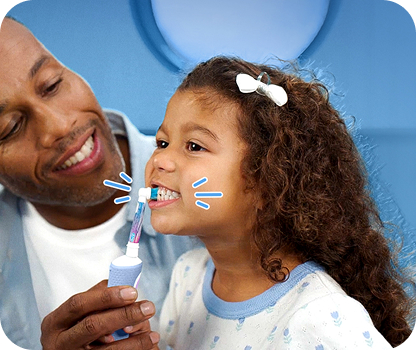
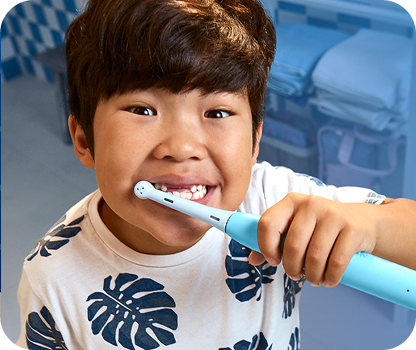
Dental health is vital for general health and appearance in childhood and all through life. Preventative dentistry, fighting against oral problems, doesn’t have to be boring; actually, it can be fun. This is an important lesson that all children should learn at an early age to help them get the most out of their oral health routine.
Read more
Eating a variety of nutritious food is good for your overall health, including your oral health. Some vitamins in particular have demonstrated benefits to building healthy teeth and gums, namely calcium and vitamin C, so be sure to include foods rich in these nutrients in your diet.
Read more
It’s not uncommon for a child to suck his or her thumb, lip or a finger, as a way to self-soothe or to help fall asleep.
Read more
These days, you may feel overwhelmed by the types of toothpastes available at your grocery store or pharmacy. Just remember, the best toothpaste for you is the one you like well enough to use every day
Read more
Sensitivity, also known as dental hypersensitivity or dentinal hypersensitivity, is the pain experienced, usually when eating or drinking. Most people have experienced a form of tooth pain at some point in their lives, so if you’re experiencing sensitivity, you’re not alone. Fortunately, there are several ways of treating sensitive teeth. This article will help you find the best sensitivity toothpaste for your needs.
Read more
Bacteria caused by plaque can lead to bad breath. When it comes to keeping your mouth fresh and clean, Oral-B® Electric Toothbrushes remove 100% more plaque. Check out the features of our electric toothbrushes that help to keep your mouth clean and your breath fresh. Beat bad breath with Oral-B.
Read more
Preventing gingivitis is essential to oral health. Oral-B® Electric Toothbrushes are one of the most effective tools you can use to help keep your gums healthy. Learn more about the best electric toothbrush for gum health.
Read more
Flip through the pages of any magazine, and it's filled with toothy smiles—all pearly and perfectly shaped. Turn on the television, and you'll see whitening-product advertisements full of smiling actors with bright, white teeth. We're a smile-happy culture. The good news is that achieving a healthy, confident smile may be closer than you think! First, understand that it's normal for your teeth to show signs of age. When you consider all the wear and tear teeth take—such as chewing three meals per day, every day—it's no surprise that your pearly whites can start to lose their luster. But with a bit of basic care, and perhaps some professional help, you can recapture that youthful, healthy smile.
Read more
Yes. In fact, recent research analyzed twenty-six randomized clinical trials across three continents and found that Oral-B iO was by far the best toothbrush for not only plaque reduction but also gum health improvement and transition to gum health compared to manual and sonic toothbrushes. One of the most basic things you can do to prevent plaque from forming is to commit to a good oral health care routine. Using an Oral-B® Electric Toothbrush with oscillating-rotating technology along with a Crest® Pro-Health™ toothpaste and antibacterial rinse—along with regular dental visits—is one of the most effective ways to keep your routine on point and plaque at bay.
Read more
Frequent follow-ups, or "adjustments," are needed to replace worn-out rubber bands, check on your teeth's progress, and make adjustments to the wires to make sure teeth are being pulled in the right direction. Skipping follow-ups can hinder progress, and may cause you to need braces for a longer period of time.
Read more
Have you ever wondered why the American Dental Association and your dentist recommend you come back every six months? It’s because regular dental visits are essential for the maintenance of healthy teeth and gums. And in between those examinations, it’s important that you work to keep your teeth and gums clean and healthy. If you need additional help, your dentist may even suggest more frequent visits.
Read more
So, you have a missing tooth. Or more than one. And now, you’re ready to replace them and restore your functionality and smile. The big question is, “Should you go with dentures or dental implants?” There are some significant differences. Dentures are removable plates that sit on your gums, offering a more affordable and faster solution. Implants are titanium or zirconia posts anchored in your jawbone that feel and function like real teeth. Let’s explore the cost, comfort, care, and long-term effects of both options to help you figure out which one best fits your lifestyle and needs.
Read more
When a tooth is fractured, has a large old filling or is severely damaged by decay, your dentist may recommend the placement of a crown, also called a cap. Crowns strengthen and protect the remaining tooth structure and can improve the appearance of your smile. Types of crowns include the full porcelain crown, the porcelain-fused-to-metal crown and the all-metal crown.
Read more