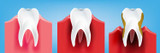
Getting a tooth pulled is no one's idea of fun, but sometimes it can't be avoided. Whether it's a damaged tooth, overcrowding, or an infection, tooth extraction can prevent further damage and give your mouth a fresh start. Knowing what to expect before, during, and after the procedure can ease anxiety and help your recovery go more smoothly. In this guide, we'll cover the entire tooth extraction process, from why it might be needed to what aftercare looks like once you're home and healing.
Read more
Jaw pain is relatively common and can affect you at any point in your life. Whether it’s aching, soreness, tooth sensitivity, or a sharp pain, it’s never pleasant to experience jaw pain in its many forms.
Read more
Most of us have heard of kidney stones or gallbladder stones… but salivary stones? Salivary stones are a medical condition, too.
Read more
Have you ever noticed a strange, metallic taste in your mouth? It's actually pretty common. And while it might seem minor, this taste alteration can also signal an underlying health issue ranging from a simple infection to a more complex condition. Known medically as dysgeusia, a metallic taste in your mouth can be more than just an unpleasant sensation. Understanding the causes, recognizing the symptoms, and knowing how to address them can help you regain your sense of taste and overall well-being.
Read more
Just like teeth and gums, your jaw also plays a major part in your oral health. When your jaws are working correctly you likely won’t think about it at all - but any misalignment of your bite can have an impact on how you chew, as well as your overall health.
Read more
Geographic tongue is a common, benign condition characterized by smooth, red patches on the tongue that resemble a map. Its exact cause is unknown, but genetics, allergies, and stress may be contributing factors. Most individuals with geographic tongue experience no symptoms, but some may notice a burning sensation, particularly when consuming certain foods. The condition often resolves on its own, and treatment is typically unnecessary. If you have concerns about changes in your tongue's appearance, consult a healthcare professional for evaluation.
Read more
Dry socket is a painful potential complication that can occur in some cases after a tooth extraction, most common after wisdom teeth (third molar) extraction, especially in the lower jaw.
Read more
We’ve all experienced a bad taste in our mouth from time to time. If it’s a mild experience, then simply brushing your teeth or a quick rinse may get rid of an unpleasant or bitter taste in your mouth.
Read more
Bad breath, also known as Halitosis, can affect anyone. However, good brushing habits can help give you fresh breath and a refreshed sensation. We’ve compiled a list of bad breath causes and steps you can take to help keep your breath fresh—like finding the best toothpaste for you.
Read more
Burning Mouth Syndrome Bothersome burning sensations in the mouth are common and can be associated with many illnesses when they appear along with other symptoms. However, up to 15% of elderly patients may experience a burning sensation in the mouth despite the absence of other visible symptoms. This condition is categorized as stomatodynia or Burning Mouth Syndrome
Read more
If your gums bleed when you floss, it's often a sign that your gums, and perhaps your oral hygiene, need a little extra care and attention. While occasional bleeding isn't uncommon, frequent or persistent bleeding should be taken seriously. Understanding the causes of bleeding gums, which can range from improper flossing to early gum disease, and how to address them, can help you maintain healthy gums and a happy smile.
Read more
Tooth pain can be caused by a dental problem, such as a cavity or gum disease, or by a non-dental problem like a sinus infection. Some dental pain is caused by stress – if you’re stressed to the point of clenching your jaw and grinding your teeth, you can develop pain associated with the temporomandibular joint (TMJ). The TMJ is the joint that hinges the lower jaw to the skull, enabling you to open and close your mouth.
Read more
Do you feel discomfort when brushing or flossing? Then you may have sensitive teeth. Look for a gentle mouthwash formula for sensitive teeth that’s best for you. What Causes Tooth Sensitivity?
Read more
Gum disease occurs due to long term bacterial growth in the mouth and can lead to gum deterioration and loosening teeth. Prevention through a thorough oral care routine is the best way to protect your gums and keep your mouth healthy. To remove more of the plaque bacteria that contribute to gum disease, brush twice daily with an electric toothbrush. The Oral-B iO2 adapts to each of your unique teeth to thoroughly sweep away more plaque bacteria from the gumline.
Read more
Since your gums are the foundation of a healthy mouth, it's crucial to continue to pay attention to the state of your gum line. To better assist in ensuring you don't experience gum issues, try rinsing with a non-alcoholic mouthwash to better protect your gum line and reinforce your overall clean.
Read more
Since your gums are the foundation of a healthy mouth, it's crucial to continue to pay attention to the state of your gum line. To better assist in ensuring you don't experience gum issues, try rinsing with a non-alcoholic mouthwash to better protect your gum line and reinforce your overall clean.
Read more
If you’re not producing enough saliva, then you may experience dry mouth. Dry mouth can range from having a minor effect on your day-to-day life to impacting your general health. If you have symptoms of dry mouth, then visit your dental professional for proper diagnosis or treatment. He or she may help with recommending the right oral care products to use, including mouthwash for dry mouth.
Read more
Water flossers, or oral irrigators, use a pressurized stream of water to clean teeth and gums, but do water flossers really work when it comes to your oral health? When combined with a complete, daily oral hygiene routine, a water flosser can help reduce plaque buildup and remove more food particles that can get trapped in tight spaces. The Oral-B Water Flosser Advanced is dentist-inspired to deep clean and detoxify below the gum line* as it targets and helps eliminate plaque bacteria for healthier gums and cleaner teeth.
Read more
Water flossers or oral irrigators can be a great addition to your oral care arsenal. The best water flossers are designed to wash away and reduce leftover food plaque debris that brushing and regular flossing can leave behind. Plus, when used correctly, the right water flosser can massage the gums and improve gum health while also protecting dental work such as crowns, bridges, and braces. Learn more about our latest water flosser for 2021 to see if it’s right for you.
Read more
Water flossers direct a stream of water to clean away any leftover plaque* and food debris from teeth and gums—but they cannot remove hardened tartar. Only a dental professional can effectively and safely remove tartar buildup from teeth.
Read more
It's recommended that you floss at least once a day in addition to brushing twice a day to maintain good oral health. Flossing removes trapped food debris, plaque and bacteria in hard-to-reach spaces between teeth and gums where your toothbrush can't reach. Without daily flossing, bacteria will calcify, turn to tartar, and lead to gum problems.
Read more
Since tonsil stones are formations of debris and bacteria buildup, you can prevent them by following a complete oral hygiene routine. Brush 2X/day with an electric toothbrush, floss 1X/day, and rinse and gargle with salt water or an alcohol-free mouthwash. In addition to a thorough oral care routine, it’s important to drink plenty of water to further prevent tonsil stones.
Read more
If you or someone you know has kidney disease, don’t neglect your dental health. Kidney disease is associated with many dental health complications, including increased risk of periodontal disease, tooth loss, and inflammation of the salivary glands. So, it’s important to maintain a consistent oral health routine, including regular dental visits.
Read more
Lorem ipsum dolor sit amet, consectetur adipiscing elit. Sed do eiusmod tempor incididunt ut labore et dolore magna aliqua.
Read more
Many factors can cause infections in the mouth, but one of the oddest-looking oral conditions is not connected to an infection, nor is it a sign of oral cancer. In fact, most people with geographic tongue are otherwise healthy.
Read more
If you develop tooth decay that has progressed beyond the process of eroding your tooth enamel and has created holes in your teeth, your dental professional will likely recommend a filling.
Read more
HPV infections are most common among teens and women aged 25 years and younger who are sexually active. Having many sexual partners significantly increases the risk of HPV infections. If you notice lesions or warts on your tongue, soft palate, or tonsils, one of the possible causes is infection with the human papillomavirus, or HPV.
Read more
Adding a tongue scraper to your daily routine might be the thing you need to elevate your oral hygiene to the next level. This simple tool helps remove bacteria, dead cells, and food particles from your tongue, leaving you with fresher breath and a cleaner mouth. In this article, we'll walk you through the steps of using a tongue scraper effectively, explore its benefits, and offer tips for incorporating it into your daily routine, as well as things to look out for to make scraping comfortable and worth the effort.
Read more
Adult, or permanent teeth, are designed to last a lifetime. Which is why losing a tooth can be alarming. Fortunately, applying a few early prevention techniques can help keep your teeth from falling out so you can show off a healthier, more resilient smile.
Read more
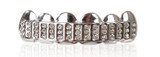
Dental grills, also known as “grillz,” have become popular among some teens and adults due to their popularity among celebrities, especially rap musicians. Grills are decorative covers that snap over one or more teeth. They are usually made of gold, silver or other precious metals. But less expensive grills are often made from base metals that can cause irritation or an allergic reaction. There are no long-term studies of dental grills, so there are no data about long-term safety or about problems resulting from long-term wear.
Read more
Approximately one-third of people who undergo treatment for cancer will develop some type of oral complications, according to the National Institute of Dental and Craniofacial Research at the National Institutes of Health. These complications can range from mild gingivitis to severe oral infections, and they can interfere with cancer treatment and with the patient’s overall quality of life.
Read more
Oral thrush is a common fungal infection that affects the mouth and throat. It occurs when the Candida fungus, which naturally resides in the mouth, overgrows and leads to discomfort and other symptoms. While it can affect anyone, certain factors can increase the risk of developing oral thrush. Fortunately, once it’s identified, it’s usually easy to treat. In this article, we’ll break down what causes oral thrush, what symptoms to watch for, and the best ways to treat and prevent it.
Read more
Gum disease ranges from mild to severe. If left untreated, certain forms of gum problems can increase your risk of developing other health concerns such as diabetes and heart issues. Reinforce your gum health by brushing with an electric toothbrush. Unlike a manual toothbrush, and electric toothbrush like the Oral-B iO Series delivers 100% cleaner teeth and healthier gums.
Read more
When not removed with regular brushing and flossing, plaque buildup can turn into dental tartar—a hard deposit that can only be removed by a dental professional. Proactively prevent tartar from taking root by brushing with an electric toothbrush which removes 100% more plaque than a regular manual toothbrush.
Read more
Partially erupted teeth are especially hard to clean around and they are susceptible to gingivitis. Add an electric toothbrush to your daily oral hygiene routine to better protect and improve gum health. Oral-B’s round brush head surrounds each tooth to clean more surfaces and remove 100% more plaque than a regular manual toothbrush.
Read more
It's no fun passing up sugary treats like cookies and candies. But when it comes to tooth decay, food choices play an important role. Some foods can harm your teeth, while others contain essential nutrients to keep them healthy and strong. To help prevent tooth decay, keep the following food choices in mind.
Read more
A good oral hygiene routine can help limit the chances of developing black hairy tongue symptoms. A lower sugar intake and regular visits to your dental professional can also help in preventing black hairy tongue.
Read more
An abscessed tooth is more than just a toothache—it's a sign that there's an infection deep inside your tooth or gums. Left untreated, it can spread and cause serious health issues. But the good news is that with the right professional care, they're treatable. And the better news is that with proper home care, they're often preventable. In this article, we'll walk through what causes an abscessed tooth, how to recognize the symptoms, what treatment looks like, and how to stop one from happening in the first place.
Read more
Due to the intricate grooves and ridges, back teeth can trap food particles and plaque, leading to increased bacteria growth, periodontitis and a higher risk of cavities. Proper oral hygiene, including regular brushing with fluoride toothpaste, a powered toothbrush like the Oral-B iO2, and using other interdental cleaning tools, is key to prevent plaque buildup and gum disease.
Read more
Losing your teeth is never a good sign; fortunately, there are measures you can take to ensure you retain more of your natural teeth. Understanding what leads to teeth falling out can help prevent tooth loss in the future so you can showcase a healthier, stronger smile.
Read more
While not curable, you can try to stop tooth decay early with a good oral hygiene. This includes brushing with a fluoride toothpaste and an Oral-B electric toothbrush to help remove more plaque and help prevent cavities from forming in the first place.
Read more
Periodontitis is a severe gum infection (also known as gum disease or periodontal disease) that causes irreversible damage and loss of the soft tissue and bone that support your teeth. Thankfully, periodontitis is preventable with the right oral hygiene routine and regular dental visits.
Read more
When you have sensitive teeth, you might experience sudden sharp, shooting pain without warning. In this article, you'll learn causes, symptoms, and treatments so you can get back to enjoying the foods and drinks you love.
Read more
Gum surgery can sound intimidating and even a little scary, but it's often necessary to restore your smile and protect your oral health. Whether you're dealing with gum recession, advanced gum disease, or aesthetic concerns that affect your appearance, understanding the different types of gum surgeries available, what to expect during a procedure, and how to care for yourself afterward can help you feel more prepared and ready to smile again with renewed confidence.
Read more
Cavities and tooth decay are common dental problems, but the good news is both are treatable. In this article, we'll discuss causes and symptoms of tooth decay and cavities as well as treatment options for a healthier smile.
Read more
We all get bad breath sometimes, but if you notice bad breath every day, it might be time to make some changes in your oral health routine.
Read more
Teeth whitening occurs in two ways: the first is by removing tooth stains on the outer layer of the tooth as well as below the enamel surface, and the second is by preventing the generation of new stains. It is achieved via stain removal, stain bleaching, and stain protection.
Read more
When plaque is not removed by a consistent oral care routine of daily brushing and flossing, your teeth are more likely to develop cavities. Brushing with an electric toothbrush, like the Oral-B iO Series, can help prevent cavities as it removes 100% more plaque than a regular manual toothbrush. Brush with a fluoride toothpaste for additional cavity protection.
Read more
Quitting smoking isn’t easy, but here’s another reason you should make the effort. Smoking is more than just a cause of bad breath; it significantly raises your risk of developing oral cancer, which includes cancer of the mouth, throat, salivary glands, tongue or lip.
Read more
Eating a variety of nutritious food is good for your overall health, including your oral health. Some vitamins in particular have demonstrated benefits to building healthy teeth and gums, namely calcium and vitamin C, so be sure to include foods rich in these nutrients in your diet.
Read more