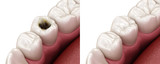
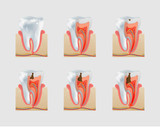
A root canal therapy, or endodontic treatment, is a common dental procedure used to remove infected dental pulp from within a tooth and save it from being extracted. Root canal treatment can last a lifetime with the correct aftercare and no complications, but naturally, this is not always the case.
Read more
As adult teeth develop, certain defects can prevent them from forming properly. Chalky teeth is the common name used to describe Molar Incisor Hypomineralization (MIH), a developmental condition affecting the first permanent molars and often the incisors, in which tooth enamel does not form and harden correctly.
Read more
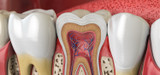
Inside each of your teeth is a substance called pulp, which houses the connective tissue, nerves, and blood supply. Pulpitis is a condition that causes an inflammation of dental pulp through bacterial infection or irritation.
Read more
If you've ever wondered whether it's possible to reverse early tooth decay without resorting to fillings, you're not alone. Your teeth have a remarkable ability to heal themselves through a natural process called remineralization. Remineralizing your teeth can be supported with simple lifestyle changes. By brushing with remineralizing toothpaste, eating a nutritious diet, staying hydrated, limiting acidic and sugary foods, and practicing good oral hygiene, you can strengthen your enamel and maintain a healthy smile.
Read more
An abscessed tooth is more than just a toothache-it's a sign that there's an infection deep inside your tooth or gums. Left untreated, it can spread and cause serious health issues. But the good news is that with the right professional care, they're treatable. And the better news is that with proper home care, they're often preventable. In this article, we'll walk through what causes an abscessed tooth, how to recognize the symptoms, what treatment looks like, and how to stop one from happening in the first place.
Read more
Dental fillings are among the most common dental procedures, helping millions of people restore their teeth and prevent further decay. There are a variety of dental fillings that might be called for, depending on the condition of the tooth. Whether you’re dealing with a small cavity or a more significant dental issue, understanding the types of fillings available and their associated costs can help you make informed decisions about your dental care.
Read more
Your dentist or dental hygienist may recommend a deep cleaning to help prevent gum disease and gum recession. A deep cleaning procedure is like a regular professional cleaning, however the mouth gets numbed to allow for a deeper cleaning below the gum line and deep into the gum pockets. You can expect the procedure to take about 1-2 hours and your mouth may be a bit sensitive afterwards.
Read more
When you feel pain in a tooth, whether it’s a throbbing or a sudden sharp pain, cavities are often the cause. Sometimes the pain is triggered when the tooth is sensitive to hot or cold. Or it could be a sharp pain when you bite into something hard. Regardless, the best course of action is to make an appointment with your dentist as soon as possible.
Read more
Periodontal maintenance is a prescribed cleaning procedure for people with a history of periodontitis (gum disease) who have already completed the initial active phase of treatment, such as scaling and root planing. It goes beyond preventative care and is a prescribed treatment by a dentist that is more in-depth than a routine cleaning. It uses deep cleaning to remove plaque and tartar buildup below the gum line and is typically recommended every 3-4 months to prevent gum disease progression.
Read more
No one likes hearing they have a cavity. It’s only natural to ask if a cavity can heal by itself. In the very early stages, you may be able to reverse pre-cavitated decay especially if you brush regularly with a fluoride toothpaste. But once a cavity has fully formed, it cannot repair itself. A filling is the only proper solution. The good news is preventing cavities is much easier than treating them. So maintain a consistent oral health routine and see your dentis
Read more
Plaque and tartar are both forms of bacterial buildup on your teeth, but they differ in texture, appearance, and how easy it is for them to be removed. Plaque is a soft, sticky film that forms from bacteria that feeds on sugars from starchy and carbohydrate-rich foods. The bacteria produces acids that can erode tooth enamel. Plaque can be eliminated with regular brushing and flossing. If plaque isn’t removed, it hardens into tartar, which can only be removed by a dental professional.
Read more
Anyone can get cavities and most people get at least one cavity in their life. Cavities are holes that form in teeth and are a sign of tooth decay. A dentist can determine if you have a cavity and can treat it, usually using a tooth filling. What a cavity feels like depends on the severity of the hole and other conditions.
Read more
Cavities commonly occur on the chewing surfaces of teeth, but decay and cavities can also occur between teeth, in areas that are harder to clean. A cavity between teeth, known as an interproximal cavity, can be difficult to detect and often goes unnoticed until it becomes more advanced and problematic. Let's understand how cavities form between teeth, how to spot them, and how to prevent them.
Read more
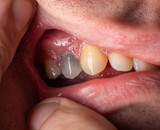
A dead tooth can form in your mouth if you have cavities that go unnoticed, have a tooth injury or don’t keep up with your oral hygiene routine. You’ll want to get into your dentist quickly if you notice signs of tooth discoloration or have tooth pain, as these are symptoms of possibly having a dead tooth! Dentists diagnose dead teeth and can determine how to treat it and what’s best for you.
Read more
A root canal is a dental procedure that helps to remove the infection of tooth pulp. Your tooth can be saved with a root canal, and the exact procedure may vary on the severity of the tooth issues. Symptoms that you may need a root canal include spontaneous or throbbing tooth pain, lingering sensitivity to hot or cold, and tenderness or swelling in the gums.
Read more
Detecting and treating cavities and tooth decay early can keep them from causing more serious oral health problems. But what exactly is an “early” cavity, and how can you prevent one from forming in the first place
Read more
If you brush and floss daily, but still notice discoloration on your teeth, you may have either a cavity or a stain.
Read more
Teeth are considered rotten when they have permanently damaged areas on their surface. Severe tooth decay can cause extensive enamel and dentin destruction, often leading to structural damage, pain, and infection. Rotten teeth can be extremely painful and an untreated cavity can gradually affect the deeper layers of the tooth becoming larger
Read more
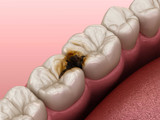
What does a cavity look like? The appearance of a cavity varies depending on its severity and location, but some common signs include dark spots, often brown or black, or a rough or pitted texture on the tooth’s surface.
Read more
Getting a tooth pulled is no one's idea of fun, but sometimes it can't be avoided. Whether it's a damaged tooth, overcrowding, or an infection, tooth extraction can prevent further damage and give your mouth a fresh start. Knowing what to expect before, during, and after the procedure can ease anxiety and help your recovery go more smoothly. In this guide, we'll cover the entire tooth extraction process, from why it might be needed to what aftercare looks like once you're home and healing.
Read more
It's no fun passing up sugary treats like cookies and candies. But when it comes to tooth decay, food choices play an important role. Some foods can harm your teeth, while others contain essential nutrients to keep them healthy and strong. To help prevent tooth decay, keep the following food choices in mind.
Read more
An abscessed tooth is more than just a toothache—it's a sign that there's an infection deep inside your tooth or gums. Left untreated, it can spread and cause serious health issues. But the good news is that with the right professional care, they're treatable. And the better news is that with proper home care, they're often preventable. In this article, we'll walk through what causes an abscessed tooth, how to recognize the symptoms, what treatment looks like, and how to stop one from happening in the first place.
Read more
Due to the intricate grooves and ridges, back teeth can trap food particles and plaque, leading to increased bacteria growth, periodontitis and a higher risk of cavities. Proper oral hygiene, including regular brushing with fluoride toothpaste, a powered toothbrush like the Oral-B iO2, and using other interdental cleaning tools, is key to prevent plaque buildup and gum disease.
Read more
While not curable, you can try to stop tooth decay early with a good oral hygiene. This includes brushing with a fluoride toothpaste and an Oral-B electric toothbrush to help remove more plaque and help prevent cavities from forming in the first place.
Read more
Cavities and tooth decay are common dental problems, but the good news is both are treatable. In this article, we'll discuss causes and symptoms of tooth decay and cavities as well as treatment options for a healthier smile.
Read more
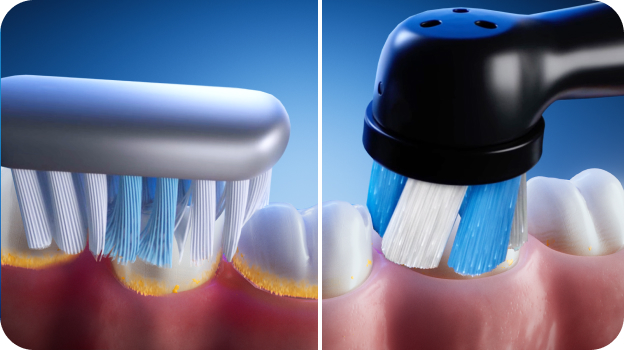
When plaque is not removed by a consistent oral care routine of daily brushing and flossing, your teeth are more likely to develop cavities. Brushing with an electric toothbrush, like the Oral-B iO Series, can help prevent cavities as it removes 100% more plaque than a regular manual toothbrush. Brush with a fluoride toothpaste for additional cavity protection.
Read more
Tooth decay begins when the enamel begins to break down, creating pockets of decay on the surface of the teeth. Prevent early tooth decay with a good oral hygiene routine. Brush with a fluoride toothpaste and an Oral-B electric toothbrush to help remove more plaque and help prevent cavities from forming in the first place.
Read more
Your tooth suddenly starts aching. Or it hurts when you eat something sweet. Or you notice a dark spot on your tooth. Is it a problem? Dental caries, the disease that causes tooth decay and cavities, is among the most widespread oral health conditions. But the good news is they're largely preventable and treatable with the right care. Let's explore what dental caries are, how to recognize them, and how to prevent them to keep your teeth healthy.
Read more
A root canal is a common dental procedure that can save a tooth from extraction. Undergoing a root canal may seem daunting, even scary, but with modern techniques and proper care, it can be a straightforward, painless procedure that saves your natural tooth. By understanding what warrants a root canal, the process, and following aftercare instructions, you can ensure a good outcome and lasting dental health. Always consult with your dentist for personalized advice and treatment plans tailored to your specific needs.
Read more