Tongue discoloration is common and often signifies the presence of an underlying health condition. A yellow tongue is often a harmless, temporary sign of factors like poor oral hygiene or tobacco use. It typically occurs when dead skin cells build up on the tongue's surface, trapping bacteria or pigments.
Read more
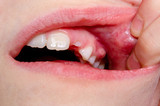
A blood blister forms when blood vessels below a blister rupture, filling it with blood. Although they are more common on the hands and feet, it is possible to experience a blood blister in the mouth. Most blood blisters in the mouth are not serious and are caused by trauma or allergens, but they can be a marker of more serious underlying conditions, including a low platelet count.
Read more
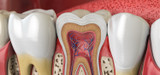
A root canal therapy, or endodontic treatment, is a common dental procedure used to remove infected dental pulp from within a tooth and save it from being extracted. Root canal treatment can last a lifetime with the correct aftercare and no complications, but naturally, this is not always the case.
Read more
The bone in our jaw can weaken and diminish through gum disease, dental trauma, and tooth extraction. Dental bone grafts are a procedure that replaces lost and missing bone in the jaw, restoring the health of the area.
Read more
The question of 'are cold sores contagious' can be simply answered with, yes, they are, and it is essential to learn the methods of care to help prevent them from spreading. But what exactly is a cold sore, how do you get them and what does it mean for your oral hygiene and body health?
Read more
As adult teeth develop, certain defects can prevent them from forming properly. Chalky teeth is the common name used to describe Molar Incisor Hypomineralization (MIH), a developmental condition affecting the first permanent molars and often the incisors, in which tooth enamel does not form and harden correctly.
Read more
Canker sores are small lesions with a white or yellowish center and a red border that form on the soft tissue within your mouth. Though most people will associate canker sores with forming on the tongue, cheeks, or inner lips, the sores can develop anywhere in the mouth, including in the throat and on the tonsils.
Read more
Stomatitis is a general term for inflammation inside the mouth and on the lips. A specific and often severe form of stomatitis is oral mucositis, which is commonly associated with cancer treatments. Common forms include cold sores and canker sores. It can be caused by infections, physical injuries, allergic reactions, or side effects of cancer treatments. Addressing the root cause typically resolves the inflammation, while medications can help relieve symptoms in the meantime.
Read more
Pharyngitis is the scientific name for inflammation of the pharynx, a muscular funnel located at the back of the throat. In most cases, pharyngitis is simply described as 'having a sore throat'.
Read more
Understanding the source of a mouth ulcer can uncover how best to treat it. Mouth ulcers can appear if you need to improve your oral hygiene, but also if there are needs to improve your whole-body health and mental wellbeing.
Read more
Our tongues are covered in tiny sensors that help us distinguish different tastes. Due to trauma, spicy foods, infections, or allergies, these taste buds can become swollen and sore. Swollen taste buds are common and will typically heal on their own within a few days to a week. In cases where treatment is necessary, it will depend on the cause of your swollen taste buds.
Read more
Transient lingual papillitis, also called lie bumps, is a common and sometimes painful condition that affects the tongue. People suffering from lie bumps will experience small, painful, red and white bumps on the tongue.
Read more
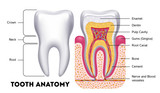
Inside each of your teeth is a substance called pulp, which houses the connective tissue, nerves, and blood supply. Pulpitis is a condition that causes an inflammation of dental pulp through bacterial infection or irritation.
Read more
Sores on the tongue are a common ailment that can happen for a variety of reasons. While mouth ulcers, commonly known as canker sores, may be the most familiar reasons for a sore on the side of the tongue, certain foods, allergies, and underlying medical conditions can also cause a tongue sore.
Read more
Trench mouth is a serious form of gum disease caused by the buildup of harmful bacteria in the mouth. Trench mouth can cause bleeding and swollen gums, ulcers, and mouth lesions. If left untreated, it can destroy gum tissue and potentially affect the underlying jawbone.
Read more
Glossitis is the name given to the inflammation of the tongue. When suffering from glossitis, your tongue can swell up, change color, and change texture, which may impact how you eat or talk. Several factors can cause glossitis, including allergies, trauma and deficiencies, and treatment of the condition will vary depending on this.
Read more
Dental curettage is a procedure that removes infected soft tissue from within the gum pocket. It is often performed along with scaling and root planing (sometimes called a "deep cleaning"), a procedure that removes plaque and tartar from the tooth and root surfaces. The procedure aims to promote gum health by removing tissue affected by diseases like periodontitis and gingivitis.
Read more
A cracked tongue (fissured tongue) is a fairly common condition that makes the tongue appear as though it is covered in grooves or cracks. Most instances of a grooved tongue are harmless and not painful, with some estimates suggesting between 2% and 20% of people live with the condition.
Read more
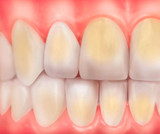
With all the food, drink, and irritants our teeth come into contact with, it is natural that some discoloration may happen over time.
Read more
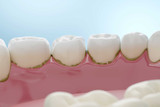
Do your teeth feel like they have a rough, gritty film on them? Most likely, that's plaque. Dental plaque is a normal byproduct of eating and drinking. If left untreated, it can lead to a wide variety of other problems, including tartar buildup, cavities, and gum diseases such as gingivitis and periodontitis.
Read more
If your gums are swollen around one tooth, you're probably wondering why. Is there an underlying condition causing the swelling?
Read more
You take great care of your teeth every day, yet your dentist recommends a deep cleaning. What exactly is included in a dental deep cleaning, and why would you need one?
Read more
Waking up with a dry, sticky mouth can be more than just uncomfortable—it can disrupt your sleep, affect your oral health, and leave you feeling parched throughout the day. This common condition, known as nocturnal dry mouth or xerostomia, often goes unnoticed until it becomes a nightly nuisance. In this article, we'll explore the reasons behind nighttime dry mouth, its potential effects, and practical remedies to help you wake up feeling refreshed and hydrated.
Read more
Ever looked in the mirror and noticed your teeth aren’t as bright and white as they used to be? You're not alone. Teeth stains are a common issue that can affect anyone over time, regardless of how careful they are with brushing or flossing. The good news is that most stains are treatable, and many are even preventable. Maintaining white, healthy-looking teeth starts with understanding what causes discoloration. Learning how to treat and avoid it can help you keep your smile looking fresh and clean for the long haul.
Read more
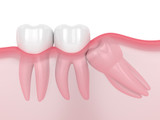
Wisdom teeth are the last molars that appear in our mouths in the late teens or early 20s. They don’t always cause trouble, but when they do, they can throw your mouth out of whack. Whether it’s pain bad enough to keep you up at night, an impacted tooth that won’t come through properly, or simply no room left to grow, knowing what to watch for with wisdom teeth and how to care for them matters. In this article, we’ll walk through when and why to remove wisdom teeth, common warning signs, and easy-to-follow tips for supporting a smooth recovery.
Read more
Wisdom teeth pain can sneak up on you, whether you're in your late teens or early twenties. Anthropological evidence suggests these third molars were essential for our ancestors, helping them chew tough, coarse foods. In modern humans, however, they often cause more trouble than they're worth. Whether it’s a dull ache or a sharp, persistent pain, wisdom teeth can disrupt daily life when they start to emerge or become impacted. Fortunately, there are ways to ease the discomfort and prevent complications. So, we’ll take you through what causes wisdom teeth pain, how to recognize the symptoms, and the most effective ways to treat it.
Read more
If you've ever wondered whether it's possible to reverse early tooth decay without resorting to fillings, you're not alone. Your teeth have a remarkable ability to heal themselves through a natural process called remineralization. Remineralizing your teeth can be supported with simple lifestyle changes. By brushing with remineralizing toothpaste, eating a nutritious diet, staying hydrated, limiting acidic and sugary foods, and practicing good oral hygiene, you can strengthen your enamel and maintain a healthy smile.
Read more
Accidents happen, even to your teeth. Whether it's biting down on something hard, a sudden fall, or grinding your teeth while you sleep, a chipped tooth can occur when you least expect it. While it might seem like a minor thing, a chipped tooth can affect your smile, confidence, overall oral health, and even how you chew. Fortunately, there are quick, effective, and budget-friendly ways to restore your tooth's appearance and function. Understanding what causes a chipped tooth, how to treat it, and what to expect during recovery can help you easily navigate this common dental situation.
Read more
An abscessed tooth is more than just a toothache-it's a sign that there's an infection deep inside your tooth or gums. Left untreated, it can spread and cause serious health issues. But the good news is that with the right professional care, they're treatable. And the better news is that with proper home care, they're often preventable. In this article, we'll walk through what causes an abscessed tooth, how to recognize the symptoms, what treatment looks like, and how to stop one from happening in the first place.
Read more
Wisdom teeth are the last back molars in your mouth that grow in during adolescence. Dentists typically watch for your wisdom teeth to grow in and closely monitor them to ensure the new teeth have space to grow in and do not disrupt other teeth. Wisdom teeth are unique to individuals, some people have them, some don't and some need them removed. Your dentist will give you recommendations about your wisdom teeth and consult on whether you need them removed. Always keep up with routine oral care and don't forget to brush and floss your back molars too! If you experience any pain with your wisdom teeth or in the back of your mouth, be sure to see your dentist.
Read more
A bright, white smile is often associated with good health and confidence. However, many people experience yellowing of their teeth over time. While it’s a common issue, understanding the causes, exploring treatment options, and adopting preventive measures can help you maintain a bright, radiant smile—or get it back. Many people go to a dentist or dental hygienist for professional whitening treatments, but these days, there are also several effective measures you can do yourself at home.
Read more
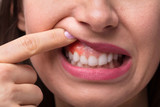
Gums bleeding when brushing can happen to any of us. When they do, it shouldn’t be ignored. Bleeding gums can be caused by several things, some of them relatively minor such as brushing too vigorously or vitamin deficiency. But they can also indicate something more serious, such as gum disease or even tooth loss. So, when your gums bleed, it’s crucial to not ignore it and consult your dentist as soon as you can.
Read more
A wisdom tooth infection can happen before or after removing wisdom teeth. If you notice redness, swelling, pain or discomfort at the back of your mouth be sure to see your dentist, as those could be signs and symptoms of a wisdom tooth infection starting. Your dentist will share treatment options that are best for you and sometimes antibiotics are recommended. Although getting infections after having your wisdom teeth removed are less common, it can still happen.
Read more
Teeth's natural brightness tends to dull and yellow over time due to various factors. In this article, we’ll share tested methods for teeth whitening, as well as tips to keep your teeth white day in and day out.
Read more
Tooth enamel helps prevent decay, protects against damage, and shields teeth from sensitivity, cavities, and more. But what exactly is tooth enamel, and why is it important for oral health? Let’s find out.
Read more
You start chewing, and pain strikes. What’s going on with your tooth? Whatever the cause of your toothache, you’re likely looking for relief.
Read more
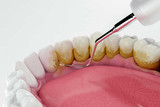
Dental tartar forms when plaque accumulates on your teeth over time. If left untreated, tartar can cause cavities severely damaged teeth, and even more serious health problems. What can you do to prevent tartar?
Read more
Gum boils are bumps on your gums that look similar to pimples. In this guide, we’ll discuss gum boils, what causes gum boils, the symptoms you may experience, and available treatment options.
Read more
If you experience pain in the gum area, visible swelling, or a pus-filled pocket on the gum, you may have a gum abscess. In this article, we’ll discuss symptoms, causes, and treatments for this serious dental issue so you can get your smile back.
Read more
Detecting and treating cavities and tooth decay early can keep them from causing more serious oral health problems. But what exactly is an “early” cavity, and how can you prevent one from forming in the first place
Read more
If you brush and floss daily, but still notice discoloration on your teeth, you may have either a cavity or a stain.
Read more
If you experience swelling or bleeding from your gums, you may have gingivitis, and it’s recommended that you have this checked by a dentist. In the meantime, you can implement a gingivitis self-care routine to treat the condition on your own and prevent more complicated oral health issues.
Read more
When you think about your dental health, your mind probably goes right to your teeth. However, there’s another important part of the equation: your gums. Your teeth might be straight and cavity-free, but how do you know you have healthy gums?
Read more
Teeth are considered rotten when they have permanently damaged areas on their surface. Severe tooth decay can cause extensive enamel and dentin destruction, often leading to structural damage, pain, and infection. Rotten teeth can be extremely painful and an untreated cavity can gradually affect the deeper layers of the tooth becoming larger
Read more
What does a cavity look like? The appearance of a cavity varies depending on its severity and location, but some common signs include dark spots, often brown or black, or a rough or pitted texture on the tooth’s surface.
Read more
Lorem ipsum dolor sit amet, consectetur adipiscing elit. Sed do eiusmod tempor incididunt ut labore et dolore magna aliqua.
Read more
Even if they brush and floss regularly, some people can start losing their teeth. How can that be? Well, one little-known culprit is bone loss in the jaw and gums. It doesn’t always appear overnight, but over time it can lead to loose teeth, gum problems, and even changes in your face shape. But it’s not all bad news. If you catch it early, there are plenty of ways to manage and halt the progression of the damage. Let’s break down what causes bone loss, how to spot it, and what you can do about it, before it starts affecting your mouth and your smile.
Read more
If you’re wondering why your tongue is white, you may be experiencing coated tongue, which is also known as ‘white tongue’. This condition is usually harmless and is caused by bacteria, fungi, and dead cells becoming trapped in between your tongue’s inflamed papillae.
Read more