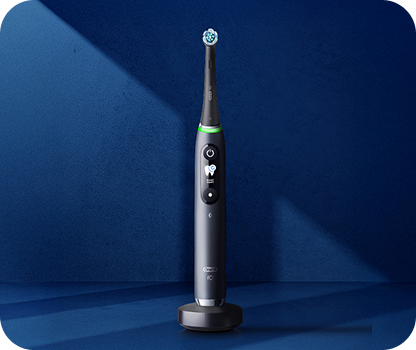
Modern toothbrushes are more than just bristles and a handle. Smart toothbrushes, including the Oral-B iO, use features like pressure sensors, timers, app-connected coaching, and 3D Teeth Tracking to help guide brushing technique, coverage, and pressure.
Read more
This article compares manual, sonic, and Oral-B iO electric toothbrushes for plaque removal, brushing coverage, and gum health.1-4 It explains why brushing technique matters, how manual and sonic toothbrushes work, and how Oral-B iO’s round brush head, smart pressure sensor, and tracking technology can help support a more effective brushing routine.
Read more
Gingivitis is the earliest stage of gum disease—and an important warning sign that plaque is irritating the gums, often noticed as red, swollen, or bleeding gums.It happens when plaque bacteria build up along the gumline and trigger inflammation.
Read more
For everyday sensitivity, the Oral-B iO Series 2 (~$65) is a great entry point for gentle brushing — the most affordable iO with both Sensitive and Super Sensitive modes built in.
Read more
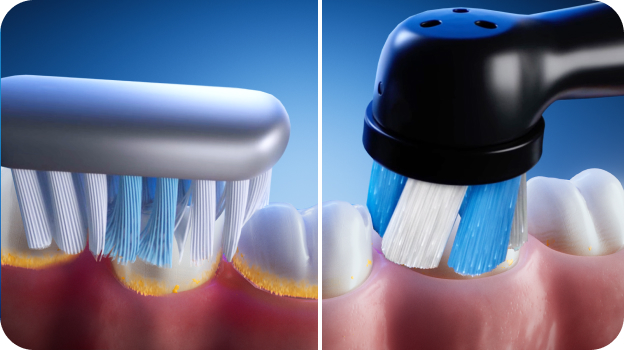
Oral-B iO's oscillating-rotating technology is designed to support gentle brushing. It cleans tooth by tooth rather than gliding across your teeth, pairs that motion with feedback when you're pressing too hard, and removes plaque along the gum line to help support healthy gums.²
Read more
Launched in 2020, Oral-B iO is Oral-B’s electric toothbrush line that combines Oral-B’s dentist-inspired round brush head, oscillating-rotating technology, and gentle micro-vibrations for a smooth, powerful clean.
Read more
Tongue discoloration is common and often signifies the presence of an underlying health condition. A yellow tongue is often a harmless, temporary sign of factors like poor oral hygiene or tobacco use. It typically occurs when dead skin cells build up on the tongue's surface, trapping bacteria or pigments.
Read more
A blood blister forms when blood vessels below a blister rupture, filling it with blood. Although they are more common on the hands and feet, it is possible to experience a blood blister in the mouth. Most blood blisters in the mouth are not serious and are caused by trauma or allergens, but they can be a marker of more serious underlying conditions, including a low platelet count.
Read more
A root canal therapy, or endodontic treatment, is a common dental procedure used to remove infected dental pulp from within a tooth and save it from being extracted. Root canal treatment can last a lifetime with the correct aftercare and no complications, but naturally, this is not always the case.
Read more
The bone in our jaw can weaken and diminish through gum disease, dental trauma, and tooth extraction. Dental bone grafts are a procedure that replaces lost and missing bone in the jaw, restoring the health of the area.
Read more
The question of 'are cold sores contagious' can be simply answered with, yes, they are, and it is essential to learn the methods of care to help prevent them from spreading. But what exactly is a cold sore, how do you get them and what does it mean for your oral hygiene and body health?
Read more
As adult teeth develop, certain defects can prevent them from forming properly. Chalky teeth is the common name used to describe Molar Incisor Hypomineralization (MIH), a developmental condition affecting the first permanent molars and often the incisors, in which tooth enamel does not form and harden correctly.
Read more
Canker sores are small lesions with a white or yellowish center and a red border that form on the soft tissue within your mouth. Though most people will associate canker sores with forming on the tongue, cheeks, or inner lips, the sores can develop anywhere in the mouth, including in the throat and on the tonsils.
Read more
Stomatitis is a general term for inflammation inside the mouth and on the lips. A specific and often severe form of stomatitis is oral mucositis, which is commonly associated with cancer treatments. Common forms include cold sores and canker sores. It can be caused by infections, physical injuries, allergic reactions, or side effects of cancer treatments. Addressing the root cause typically resolves the inflammation, while medications can help relieve symptoms in the meantime.
Read more
Pharyngitis is the scientific name for inflammation of the pharynx, a muscular funnel located at the back of the throat. In most cases, pharyngitis is simply described as 'having a sore throat'.
Read more
Understanding the source of a mouth ulcer can uncover how best to treat it. Mouth ulcers can appear if you need to improve your oral hygiene, but also if there are needs to improve your whole-body health and mental wellbeing.
Read more
Our tongues are covered in tiny sensors that help us distinguish different tastes. Due to trauma, spicy foods, infections, or allergies, these taste buds can become swollen and sore. Swollen taste buds are common and will typically heal on their own within a few days to a week. In cases where treatment is necessary, it will depend on the cause of your swollen taste buds.
Read more
Transient lingual papillitis, also called lie bumps, is a common and sometimes painful condition that affects the tongue. People suffering from lie bumps will experience small, painful, red and white bumps on the tongue.
Read more
Inside each of your teeth is a substance called pulp, which houses the connective tissue, nerves, and blood supply. Pulpitis is a condition that causes an inflammation of dental pulp through bacterial infection or irritation.
Read more
Sores on the tongue are a common ailment that can happen for a variety of reasons. While mouth ulcers, commonly known as canker sores, may be the most familiar reasons for a sore on the side of the tongue, certain foods, allergies, and underlying medical conditions can also cause a tongue sore.
Read more
Trench mouth is a serious form of gum disease caused by the buildup of harmful bacteria in the mouth. Trench mouth can cause bleeding and swollen gums, ulcers, and mouth lesions. If left untreated, it can destroy gum tissue and potentially affect the underlying jawbone.
Read more
Glossitis is the name given to the inflammation of the tongue. When suffering from glossitis, your tongue can swell up, change color, and change texture, which may impact how you eat or talk. Several factors can cause glossitis, including allergies, trauma and deficiencies, and treatment of the condition will vary depending on this.
Read more
Dental curettage is a procedure that removes infected soft tissue from within the gum pocket. It is often performed along with scaling and root planing (sometimes called a "deep cleaning"), a procedure that removes plaque and tartar from the tooth and root surfaces. The procedure aims to promote gum health by removing tissue affected by diseases like periodontitis and gingivitis.
Read more
A cracked tongue (fissured tongue) is a fairly common condition that makes the tongue appear as though it is covered in grooves or cracks. Most instances of a grooved tongue are harmless and not painful, with some estimates suggesting between 2% and 20% of people live with the condition.
Read more
As we go through life, the amount of stress that our teeth come under means that a cracked tooth is a common dental issue. Teeth grinding at night, hard foods, tooth fillings, and even temperature changes can all cause a broken tooth, so being aware of the condition is important.
Read more
With all the food, drink, and irritants our teeth come into contact with, it is natural that some discoloration may happen over time.
Read more
You know it's important to brush your teeth twice a day, but how long should you brush each time? In this article, you'll learn how long to brush your teeth, why timing matters, and ways to keep your teeth and gums healthy.
Read more
How often should you change your toothbrush? In this article, we’ll tell you exactly how often you should change your toothbrush and share the signs that it’s ready for a refresh. We’ll also provide tips for a healthy, clean smile.
Read more
Do your teeth feel like they have a rough, gritty film on them? Most likely, that's plaque. Dental plaque is a normal byproduct of eating and drinking. If left untreated, it can lead to a wide variety of other problems, including tartar buildup, cavities, and gum diseases such as gingivitis and periodontitis.
Read more
If your gums are swollen around one tooth, you're probably wondering why. Is there an underlying condition causing the swelling?
Read more
You take great care of your teeth every day, yet your dentist recommends a deep cleaning. What exactly is included in a dental deep cleaning, and why would you need one?
Read more
Waking up with a dry, sticky mouth can be more than just uncomfortable—it can disrupt your sleep, affect your oral health, and leave you feeling parched throughout the day. This common condition, known as nocturnal dry mouth or xerostomia, often goes unnoticed until it becomes a nightly nuisance. In this article, we'll explore the reasons behind nighttime dry mouth, its potential effects, and practical remedies to help you wake up feeling refreshed and hydrated.
Read more
When it comes to taking care of your teeth, brushing and flossing are simple, yet essential, steps in maintaining good oral hygiene. We’ve all been told by our dentist or dental hygienist to brush and floss daily, but you might wonder whether you should floss before or after brushing. Does it really make a difference? It turns out there are benefits to both methods, so there is a bit of a debate. So let’s explore the best practices for flossing and brushing, providing you with science and some practical advice to help you decide what will best leave your mouth healthy and feeling fresh.
Read more
A daily routine of flossing helps remove plaque and food particles from between your teeth and under the gumline, areas your toothbrush can't effectively clean. By keeping up with this important task, you reduce the risk of cavities and gum disease. The bacteria in your mouth are constantly forming a sticky film of plaque.
Read more
Partial dentures are dental appliances that your dentist may recommend if you have a missing tooth or missing teeth. They are removable and designed to blend in with your natural teeth and gums. Check with your dental insurance provider about partial denture costs. Typically, partial dentures cost between $800 and $2000, and many dental insurance plans cover a portion of the cost.
Read more
A permanent retainer is a dental appliance that is placed in your mouth long term and is not removable. Your orthodontist may recommend a permanent retainer after your braces are removed. Often, permanent retainers will be placed behind your lower teeth, out of direct sight. There are pros and cons of having a permanent retainer and your dentist or orthodontist can consult with you about your options.
Read more
It’s a great day when your braces have been taken off and you’ve finished your orthodontic treatment. Achieving that perfect smile is quite a milestone. But the journey doesn't end with the removal of your braces. To ensure your teeth remain in their new, optimal positions, adding retainers to your daily routine is essential. Let's dive into everything you need to know about retainers-why they're important, the different types, how to use them, and best practices for cleaning, maintaining, and storing them.
Read more
Ever looked in the mirror and noticed your teeth aren’t as bright and white as they used to be? You're not alone. Teeth stains are a common issue that can affect anyone over time, regardless of how careful they are with brushing or flossing. The good news is that most stains are treatable, and many are even preventable. Maintaining white, healthy-looking teeth starts with understanding what causes discoloration. Learning how to treat and avoid it can help you keep your smile looking fresh and clean for the long haul.
Read more
Wisdom teeth are the last molars that appear in our mouths in the late teens or early 20s. They don’t always cause trouble, but when they do, they can throw your mouth out of whack. Whether it’s pain bad enough to keep you up at night, an impacted tooth that won’t come through properly, or simply no room left to grow, knowing what to watch for with wisdom teeth and how to care for them matters. In this article, we’ll walk through when and why to remove wisdom teeth, common warning signs, and easy-to-follow tips for supporting a smooth recovery.
Read more
When you think about oral hygiene, brushing and flossing are usually what come to mind first. But your tongue plays a major role in keeping your mouth healthy, too. If you’ve ever dealt with stubborn bad breath or a strange taste in your mouth, your tongue just might be to blame.
Read more
Wisdom teeth pain can sneak up on you, whether you're in your late teens or early twenties. Anthropological evidence suggests these third molars were essential for our ancestors, helping them chew tough, coarse foods. In modern humans, however, they often cause more trouble than they're worth. Whether it’s a dull ache or a sharp, persistent pain, wisdom teeth can disrupt daily life when they start to emerge or become impacted. Fortunately, there are ways to ease the discomfort and prevent complications. So, we’ll take you through what causes wisdom teeth pain, how to recognize the symptoms, and the most effective ways to treat it.
Read more
When a tooth is blocked from breaking through the gumline and cannot fully grow into its normal position, it is called an impacted tooth. Impacted teeth can cause discomfort and pain in your mouth and may affect your oral health. Always consult with a dentist if you notice redness or symptoms in your mouth and think you may have an impacted tooth. They can diagnose and treat the impacted tooth. Extracting the tooth may be needed. Always keep up with good oral hygiene to avoid tooth infections as teeth grow in.
Read more
If you've ever wondered whether it's possible to reverse early tooth decay without resorting to fillings, you're not alone. Your teeth have a remarkable ability to heal themselves through a natural process called remineralization. Remineralizing your teeth can be supported with simple lifestyle changes. By brushing with remineralizing toothpaste, eating a nutritious diet, staying hydrated, limiting acidic and sugary foods, and practicing good oral hygiene, you can strengthen your enamel and maintain a healthy smile.
Read more
Braces have come a long way from the bulky metal wires many of us remember from childhood. Today, they're more comfortable, effective, and even somewhat stylish. Whether you're considering braces for yourself or a loved one, understanding how they work and what options are available can make the process much smoother and more pleasant. From traditional metal braces to nearly invisible aligners, each type offers unique benefits. Let's take a closer look at how braces straighten teeth and what kind of braces might best fit your needs.
Read more
Canine teeth play a crucial role in biting and chewing food. When one doesn't come in properly, it's called an impacted canine tooth. This can lead to discomfort and alignment issues. But there are effective ways to treat them. The most important thing is don't wait. Early intervention can prevent complications such as crowding or infections and make treatment easier. So, address the issue early and work with your dentist or orthodontist to create a personalized plan.
Read more
Accidents happen, even to your teeth. Whether it's biting down on something hard, a sudden fall, or grinding your teeth while you sleep, a chipped tooth can occur when you least expect it. While it might seem like a minor thing, a chipped tooth can affect your smile, confidence, overall oral health, and even how you chew. Fortunately, there are quick, effective, and budget-friendly ways to restore your tooth's appearance and function. Understanding what causes a chipped tooth, how to treat it, and what to expect during recovery can help you easily navigate this common dental situation.
Read more
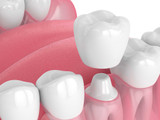
If you’ve heard of the terms tooth cap and dental crown, you might wonder what the difference is. The answer is they are used interchangeably, though "crown" is more common. They both refer to a custom-made, tooth-shaped cover that is placed over a damaged or weakened tooth to protect it from further damage.
Read more
Getting braces can be exciting. But let’s be honest, it can be nerve-wracking too. Whether you're a teen, an adult, or you’re getting them for your child, knowing what to expect helps you feel prepared. From the first meeting with your orthodontist to the moment the brackets go on, we'll walk you through it all. We’re not going to use fancy dental jargon here, just straightforward info backed by credible sources.
Read more